Water Heaters Repair in Adamsburg, PA
When your water heater fails, it affects your comfort, safety, and daily routines—especially during Adamsburg winters when hot water demand is at its peak. Cochran HVAC offers professional water heater repair in Adamsburg, PA, focusing on restoring reliable hot water quickly while protecting your home from leaks, gas hazards, and energy waste. We understand the common failure symptoms local homeowners experience, and our technicians are equipped to perform thorough diagnostics. We'll explain the typical parts that need replacing, offer emergency response and 24/7 availability, discuss pricing and warranty considerations, and provide clear guidance on whether repair or replacement is the best option for you.
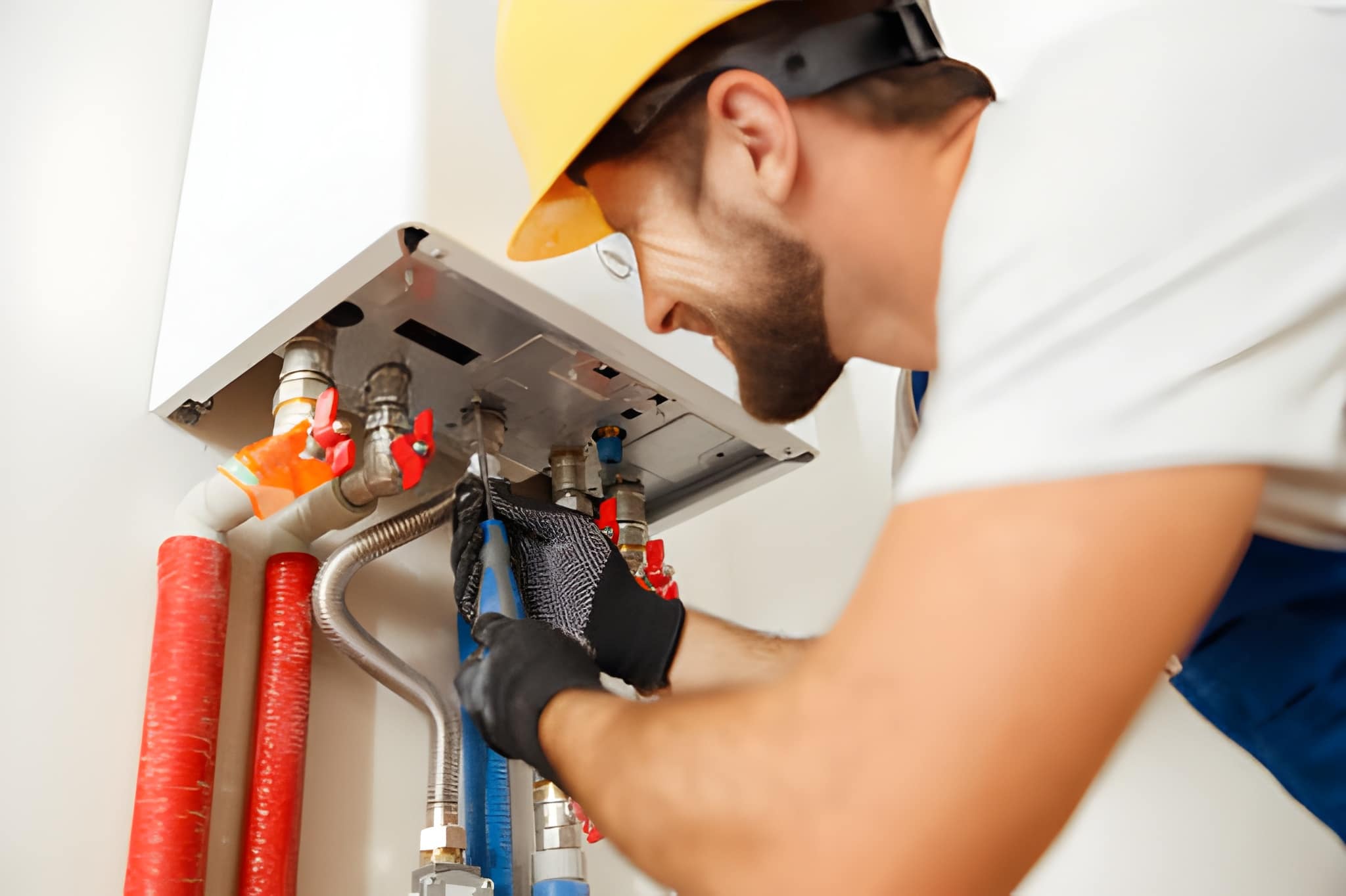
Water Heaters Repair in Adamsburg, PA
When your water heater fails, it affects comfort, safety, and daily routines—especially during Adamsburg winters when hot water demand rises. Professional water heaters repair in Adamsburg, PA focuses on restoring reliable hot water quickly while protecting your home from leaks, gas hazards, and energy waste. This page explains the common failure symptoms local homeowners see, the diagnostic steps technicians perform, typical parts replaced, emergency response and 24/7 availability, pricing and warranty considerations, and clear guidance on when repair is the smarter choice over replacement.
Common water heater problems in Adamsburg, PA homes
- No hot water or inconsistent temperatures: Often caused by failed thermostats, burned-out heating elements in electric tanks, or pilot and ignition problems on gas units. Increased winter load can reveal marginal components.
- Leaks or pooling water: Corrosion in the tank, failed valves, or loose plumbing connections lead to leaks. Local mineral content and older tanks increase leak risk.
- Pilot or ignition issues: Faulty thermocouples, gas control valves, or electronic igniters prevent gas units from lighting or staying lit.
- Strange noises: Rumbling, popping, or banging usually signal sediment buildup on the bottom of the tank, causing uneven heating and stress on heating components.
- Discolored or metallic tasting water: Corrosion, a failing anode rod, or internal tank degradation may be the cause.
- Low hot water capacity or slow recovery: Aging tanks, sediment accumulation, or faulty elements/thermostats reduce available hot water.
- Smell of gas or combustion odor: Any smell of gas is a safety issue and requires immediate attention.
What technicians check during diagnostics
A thorough diagnostic narrows down the cause and informs a transparent repair estimate. Typical steps include:
- Visual and leak inspection of the tank, valves, and fittings.
- Confirmation of unit type and age by serial and model numbers to check warranty coverage and typical lifespan.
- For gas units: inspect pilot assembly, thermocouple, gas control valve, burner operation, and perform combustion checks for proper venting.
- For electric units: test thermostats, heating elements, high-limit switches, and wiring for voltage and continuity.
- Sediment assessment by checking drain valve and running a partial flush when safe to see water clarity and debris.
- Pressure and temperature relief valve testing and water pressure check to rule out excessive pressure or thermal expansion issues.
- Safety checks for gas leaks or improper combustion and confirmation of proper venting and clearances.Diagnostics typically take 45 to 90 minutes depending on access and the type of unit.
Typical parts replaced
Common replacement parts extend life and restore performance without replacing the entire unit:
- Thermostats and temperature sensors
- Heating elements and element gaskets (electric tanks)
- Anode rod to reduce internal corrosion
- Pressure and temperature relief (T&P) valves
- Drain valves and inlet/outlet fittings
- Thermocouple, gas control valves, and igniters (gas units)
- Dip tubes and sacrificial anode assemblies
- Pumps or heat exchanger components on tankless systemsParts often come with manufacturer or aftermarket warranties; workmanship warranties may cover labor for a defined period.
Emergency response and 24/7 availability
Major leaks, loss of hot water during freezing weather, or a gas odor require fast response. Emergency repair services available 24/7 can help minimize water damage, reduce the risk of burst pipes, and restore safe operation. In an emergency:
- Turn off the unit’s power at the breaker for electric heaters.
- For gas units, turn off the gas supply at the shutoff valve and do not operate electronic switches until a professional inspects for leaks.
- Shut off the water supply to the heater if safe to do so to limit flooding.
- Ventilate the area if you smell gas and evacuate if necessary.
Pricing, estimates, and transparency
After diagnostic testing, technicians provide a clear estimate outlining parts, labor, and any applicable warranty coverage. Pricing structures vary by repair complexity:
- Minor repairs typically involve replacing a single component such as an element, thermostat, or valve.
- Moderate repairs may include multiple parts and partial disassembly to access internal components.
- Major repairs or repeated failures could indicate that replacement is more economical.Estimates should include labor time, parts brand or grade, and any follow-up checks. In Adamsburg, homeowners benefit from considering winter urgency, parts availability, and potential travel time for technicians when reviewing estimates.
Warranty and parts information
Replacement parts commonly carry manufacturer warranties ranging from several months to multiple years depending on the component. Labor warranties for repairs are often provided for a defined period after service. Save receipts, model and serial numbers, and any diagnostic reports to validate warranty claims and track service history. If your water heater is still under manufacturer warranty, repairs of covered components may be completed at reduced or no cost.
When repair is more cost-effective than replacement
Repair is typically the right choice when:
- The unit is under warranty or less than 6 to 10 years old for tank-type heaters, depending on brand and maintenance history.
- The problem is isolated to a single component such as a heating element, thermostat, anode rod, or valve.
- Repair cost is significantly lower than replacement and the unit has no signs of rust, multiple failures, or a history of recurring problems.Consider replacement when:
- The tank is leaking or the repair cost approaches 50 percent or more of a new system.
- The unit is older than its expected lifespan (typically 8 to 12 years for conventional tanks, 15 to 20 for high-quality units) and efficiency gains from a new model provide long-term savings.
- You plan home upgrades, higher capacity, or a switch to a more efficient system such as a high-efficiency tankless unit, especially beneficial in cold climates like Adamsburg where recovery demands are higher.
Maintenance tips to extend service life
Simple maintenance reduces repairs and prolongs life of water heaters in Adamsburg homes:
- Flush the tank annually to remove sediment, especially if your water has higher mineral content.
- Inspect or replace the anode rod every 3 to 5 years or sooner if corrosion is visible.
- Test the T&P valve once a year to confirm proper operation.
- Insulate older tanks and exposed pipes to reduce heat loss and workload during cold months.
- Set thermostat to 120 degrees Fahrenheit to balance safety, energy use, and hot water availability.
- Schedule professional inspections before winter to ensure safe and efficient operation.
Q: How long does a typical water heater diagnostic take?A: Most diagnostics take 45 to 90 minutes depending on access and whether additional testing or partial disassembly is needed.
Q: When should I call for emergency repair?A: Call immediately for major leaks, loss of hot water during freezing weather, or if you smell gas; turn off power or gas and shut off water supply if safe before a technician arrives.
Q: Is it worth repairing an old water heater?A: Repair is worth it when the unit is under warranty or relatively young and the issue is limited to a single component. Consider replacement if the tank leaks, the unit is near or past expected lifespan, or repair costs are close to replacement cost.