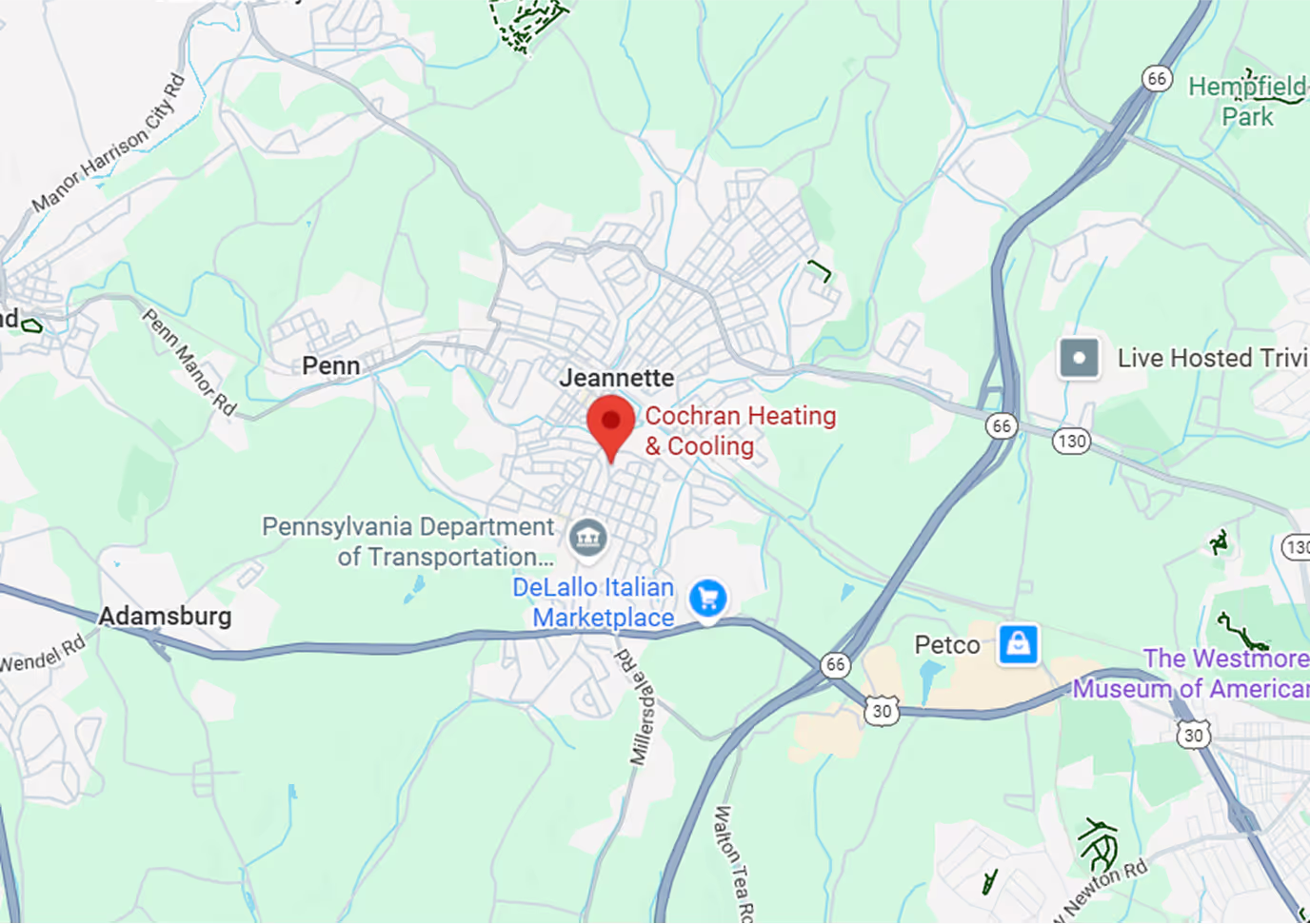
Water Heaters Replacement in Adamsburg, PA
Replacing a water heater is a significant home upgrade that can greatly improve comfort, safety, and long-term utility savings in Adamsburg, PA. With cold winters, older homes often featuring basement installations, and rising energy costs, many homeowners reach a point where repair is no longer the most economical or reliable solution. At Cochran HVAC, we bring system-level expertise to water heater replacement in Adamsburg, PA. We focus on proper sizing, efficient equipment choices, adherence to local codes, and a clean, safe installation process that minimizes disruption to your home. Let Cochran HVAC help you make the right choice.
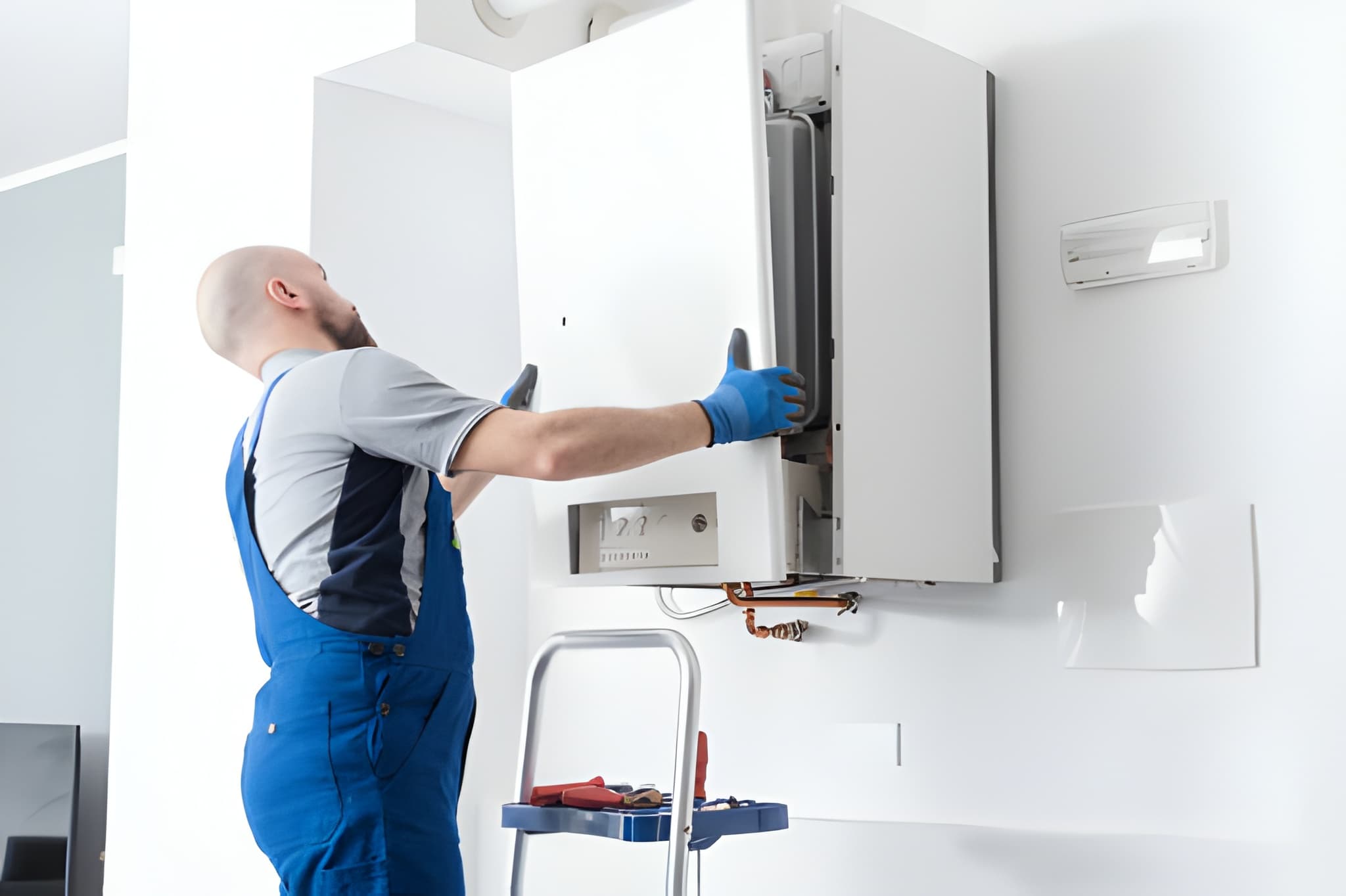
Water Heaters Replacement in Adamsburg, PA
Replacing a water heater is one of the most impactful home upgrades for comfort, safety, and long term utility savings in Adamsburg, PA. Cold winters, older homes with basement installations, and increasing energy costs mean that many homeowners reach a decision point where repair is no longer the most economical or reliable option. Cochran HVAC brings system-level expertise to water heaters replacement in Adamsburg, PA, focusing on the right sizing, efficient equipment choices, local code compliance, and a clean, safe installation process that minimizes disruption to your home.
Why replace your water heater now
Common pain points that lead homeowners to replace rather than repair:
- Frequent cold showers or declining hot water capacity.
- Visible corrosion, leaking, or pooling around the unit.
- Rattling, popping, or rumbling noises indicating internal sediment buildup.
- Rapidly rising energy bills with older, inefficient models.
- Repeated burner or pilot failures in gas units, or failing heating elements in electric units.
- Unit is 10 to 15 years old (typical life for tank units) or showing signs of imminent failure.
In Adamsburg winters, incoming groundwater temperatures are lower, so older or undersized systems struggle to maintain set temperatures and recover quickly between uses. Upgrading to a properly sized, higher efficiency model can restore reliable performance and reduce annual operating costs.
Common water heater problems in Adamsburg homes
- Age related corrosion and tank failure leading to leaks.
- Sediment accumulation from hard water, reducing efficiency and causing noise.
- Insufficient capacity during winter months when incoming water is colder.
- Venting problems or combustion inefficiency on gas models.
- Electrical supply or breaker issues for electric water heaters.
- Lack of expansion tank in closed plumbing systems causing pressure relief events.
Recognizing these signs early prevents water damage and makes replacement planning less urgent and more controlled.
System evaluation and sizing for Adamsburg conditions
A professional evaluation is the first step before replacement. Cochran HVAC evaluates:
- Household hot water demand: number of occupants, simultaneous fixtures, appliances (dishwasher, washing machine).
- Peak demand measured in gallons per minute (GPM) and first hour rating (FHR).
- Incoming groundwater temperature in Adamsburg, which affects recovery and required capacity.
- Available fuel source: natural gas, propane, or electric supply and potential for future fuel changes.
- Venting space, chimney condition, and combustion air availability for gas units.
- Mechanical room or basement access, clearances, and structural considerations.
Sizing considerations:
- For tank models: choose a first hour rating that meets peak-hour demand. In cold climates like Adamsburg, allow a higher buffer to account for lower inlet temperatures.
- For tankless models: choose a unit based on required GPM and temperature rise. Tankless units need higher capacity when input water is colder; single large showers plus appliances may require multiple or higher capacity units.
- For hybrid heat pump models: consider ambient air conditions where the unit will be installed, as heat pump efficiency depends on surrounding air temperature.
Proper sizing maximizes comfort, reduces short cycling, and extends equipment life.
Tank versus tankless versus hybrid and high-efficiency options
Comparing technology types for Adamsburg homes:
Tank water heaters
- Pros: Simpler installation, lower upfront installation complexity, reliable hot water during power outages for gas models, lower performance sensitivity to very cold inlet water.
- Cons: Higher standby heat loss, larger footprint, generally shorter lifespan than tankless.
Tankless water heaters
- Pros: Higher energy efficiency for households with intermittent hot water needs, longer expected lifespan, smaller footprint.
- Cons: Higher upfront cost, installation complexity (venting and gas line or electrical upgrades), flow limitations during peak simultaneous use, performance impacted by cold inlet water requiring larger units in Adamsburg winters.
Hybrid heat pump water heaters
- Pros: Very high energy efficiency in suitable installation spaces, good for replacement where electrical service is adequate, large reduction in operating cost.
- Cons: Operations are affected by ambient air temperature; require adequate space and ventilation, noise level considerations, not ideal in unheated basements below freezing without mitigation.
High-efficiency condensing gas water heaters
- Pros: Very high efficiency for gas-fired systems, good if replacing a conventional gas unit with proper venting and condensate management.
- Cons: Require condensate handling, typically more complex exhaust and venting arrangements.
When evaluating options, consider household usage patterns, local energy costs, available fuel, installation constraints, and long term maintenance.
Removal and disposal of the old unit
Safe, code-compliant removal is essential:
- Proper disconnection of gas, electrical, and plumbing connections.
- Drain and neutralize remaining water; manage sediment and potential contaminants.
- Safe removal of the tank and components through the access point without damaging home finishes.
- Disposal or recycling of the old unit in accordance with Pennsylvania regulations and local waste handling practice.
- Documentation of disposal may be needed for warranty transfers or rebate applications.
Professional removal minimizes the risk of water damage, gas leaks, or electrical hazards.
Installation process and typical timeline
A standard replacement project includes these phases:
- Pre-install evaluation and selection: sizing, model selection, permit planning.
- Site preparation: shutoff of supply lines and utilities, clearing work area.
- Old unit disconnect and removal: typically a half day depending on access.
- Rough-in work: plumbing and gas line upgrades, electrical changes, venting installation or modification.
- Equipment installation and commissioning: physical installation, connections, filling, vent testing, combustion analysis where applicable.
- Inspection and final adjustments: local building inspection and code compliance checks if required.
Typical timelines:
- Simple like-for-like replacement: same day to one day, depending on access.
- Replacement requiring venting, gas line upsizing, electrical upgrades, or relocation: one to three days.
- Complex conversions (electric to gas, or tank to tankless requiring new venting and service upgrades): multi-day projects and additional permit/inspection time.
On-site post-install tasks include flushing the system, verifying no leaks, setting safe water temperature, and instructing homeowners on basic operation and maintenance expectations.
Permits and code compliance in Adamsburg, PA
Permits and inspections protect safety and ensure compliance with local codes. Key points:
- Most water heater replacements require a permit and an inspection from the local municipality or Westmoreland County authorities.
- Gas-fired appliances have specific venting, combustion air, and gas piping code requirements. Venting materials and termination locations must meet code for safe operation.
- Electrical upgrades for tankless or heat pump models may require service panel work that triggers electrical permitting and inspection.
- Combustion testing and carbon monoxide considerations must be addressed for gas appliances.
- Municipalities in the Adamsburg area may have specific rules for setback, installation location, and mechanical room requirements.
Having a qualified installer familiar with local inspectors and common code interpretations reduces delays and the likelihood of rework.
Expected energy savings and rebate or financing options
Energy savings depend on current equipment and household usage patterns:
- Replacing an old conventional gas tank with a high-efficiency tank or condensing model typically reduces fuel consumption and operating costs by a noticeable percentage.
- Tankless units can reduce energy consumption for homes with lower overall hot water usage, but savings are conditional on usage patterns and required temperature rise in cold months.
- Hybrid heat pump units often provide the greatest reduction in electric water heating cost compared to standard electric tanks when operated within recommended ambient conditions.
In Adamsburg and Pennsylvania broadly, utility companies, state programs, and manufacturers periodically offer rebates, rebates for high-efficiency equipment, and incentives for electrification or energy efficiency upgrades. Financing options are also commonly available through manufacturers, local lenders, or program administrators to spread installation costs over time. Keep in mind:
- Eligibility for rebates often requires professional installation, specific model numbers, and proof of purchase and disposal of the old unit.
- Tax incentives and program availability change over time; confirm current programs and documentation requirements before purchase.
A lifecycle cost comparison that looks at first costs, estimated annual energy consumption, expected lifespan, maintenance, and potential incentives helps make an informed decision suited to Adamsburg homeowners.
Warranty coverage and post-installation testing
Warranty considerations:
- Manufacturer warranty covers defects in materials and manufacturing; duration varies by model and technology (tanks, tankless, heat pump).
- Installer or workmanship warranty covers the installation itself: plumbing, electrical, venting, and serviceable components. Know what is covered and the duration.
- Some warranties require professional installation and periodic maintenance to remain valid.
Post-installation testing and checks performed:
- Pressure test and visual inspection for leaks in all new connections.
- Combustion analysis for gas-fired units to verify proper combustion and venting.
- Draft testing and proper termination location verification.
- Electrical checks: correct voltage, breaker sizing, ground-fault protection where applicable.
- Operational verification: temperature settings, thermostat function, anti-scald devices, and safety devices like TPR valves and expansion tanks.
- Documentation of installation and system settings for homeowner records and warranty claims.
Thorough testing at the time of installation and clear documentation are essential for long-term performance and warranty support.
Choosing the right model for Adamsburg homes
Key decision factors:
- Household size and simultaneous use patterns: larger families or homes with multiple showers running at once often favor higher capacity tanks or multiple tankless units.
- Peak GPM needs and required temperature rise: colder inlet temperatures in Adamsburg require higher capacity or different equipment choices.
- Fuel availability and preferences: natural gas typically yields lower operating costs in many cases, but heat pump technologies can be attractive where electrification is desired.
- Installation location: basement installations common in Adamsburg may affect venting choices, condensate handling, and freezing protection for exterior units.
- Water quality: hard water contributes to sediment and scale; tankless units are more sensitive to scale and may require water treatment to maintain performance.
- Noise and space: heat pump units require space and produce operational noise; tankless units may require venting and condensate handling.
- Future planning: consider anticipated changes like family growth, home renovations, or electrification goals.
Practical tips:
- If winter peak demand is high or cold inlet temperatures are extreme, consider a larger tank or a hybrid solution rather than undersized tankless units.
- Where water quality is poor, factor in water treatment costs to preserve equipment life, especially for tankless systems.
- Ensure appropriate expansion tanks on closed systems to protect plumbing and reduce relief valve activity.
- Insulate hot water lines and consider a recirculation system for immediate hot water at distant fixtures to reduce waste.
Cochran HVAC evaluates all these variables to recommend equipment that balances upfront cost, operating cost, and homeowner priorities.
Lifecycle cost and long term value
A meaningful replacement decision looks beyond initial price:
- Factor in expected lifespan: tanks typically last 8 to 15 years depending on water quality and maintenance; tankless and heat pump models can last 15 to 20 years or more with proper care.
- Consider ongoing maintenance needs: periodic flushing of tanks, scale management, and annual inspections for gas combustion.
- Include potential savings from lower energy consumption and possible rebates or incentives.
- Account for indirect values: reduced risk of water damage, improved home comfort, and possible increases in home resale appeal with a modern, efficient system installed.
A holistic lifecycle analysis helps determine which option delivers the best long term value for your Adambsburg home and budget.
Maintenance tips after replacement
Once your new water heater is in place, regular maintenance preserves performance and warranty:
- Annual inspection and maintenance including flushing a tank unit to remove sediment or performing descaling on tankless units if water hardness requires it.
- Inspect TPR valve, drain lines, and visible piping for leaks or corrosion yearly.
- Keep combustion areas clean and unobstructed for gas units; verify vent terminal condition.
- Replace anode rods on tank units per manufacturer recommendations to extend tank life.
- Follow manufacturer service intervals for hybrid and tankless models to protect warranty.
Proper maintenance reduces the likelihood of emergency failures and maximizes efficiency year to year.