Water Heaters Repair in Irwin, PA
Reliable hot water is essential for Irwin homes, especially during cold Pennsylvania winters when heating demands rise and unpredictably cold mornings expose failing equipment. At Cochran HVAC, we understand the inconvenience of a malfunctioning water heater. We explain common water heater problems and symptoms, how our technicians diagnose and troubleshoot on site, the typical repairs performed, expected timeframes and cost factors, emergency repair availability, warranty and parts considerations, and clear guidance on when repair is the right choice versus replacement for residents of Irwin, PA.
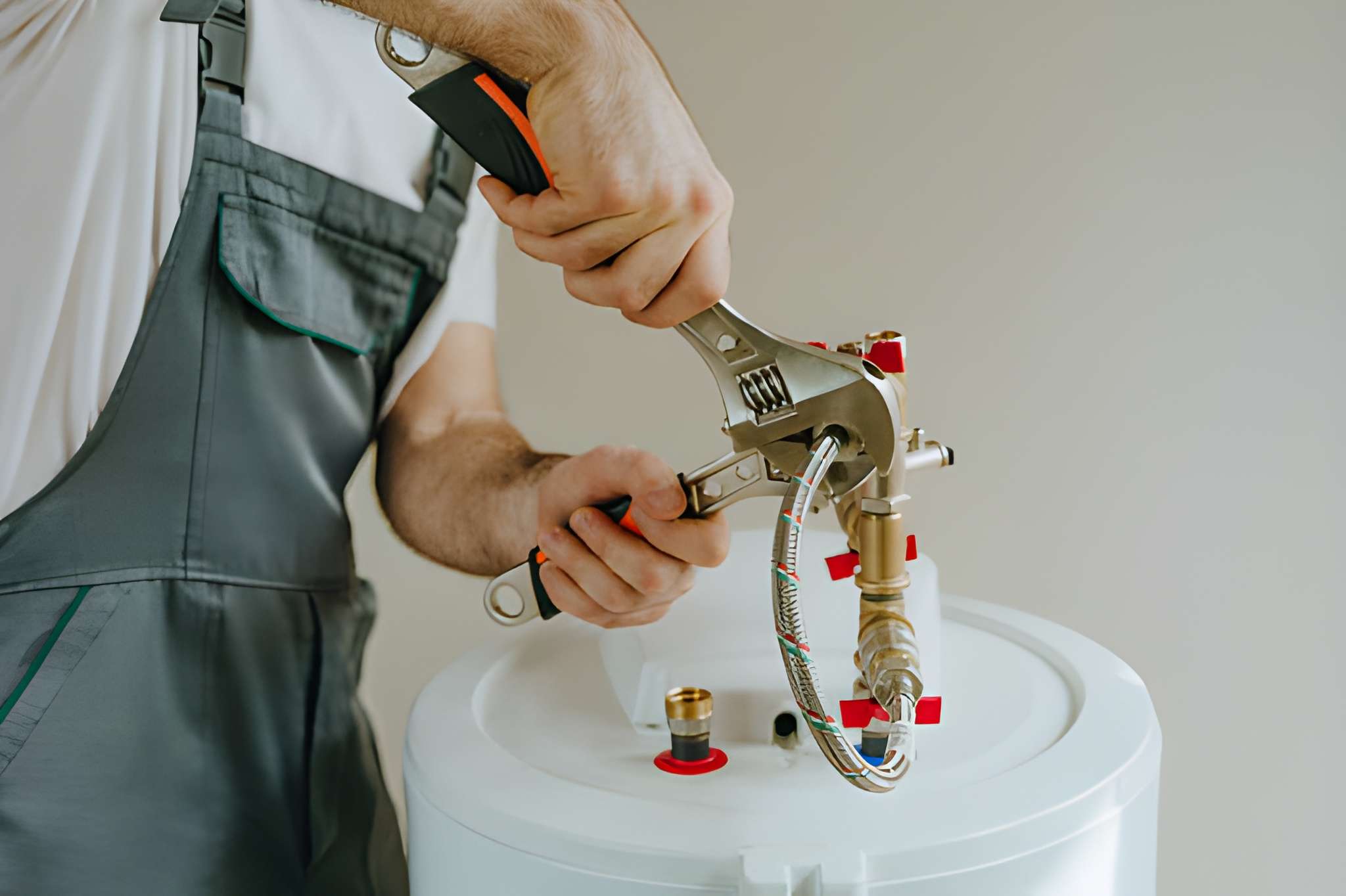
Water Heaters Repair in Irwin, PA
Reliable hot water is essential for Irwin homes, especially during cold Pennsylvania winters when heating demands rise and unpredictably cold mornings expose failing equipment. This page explains common water heater problems and symptoms, how technicians diagnose and troubleshoot on site, the typical repairs performed, expected timeframes and cost factors, emergency repair availability, warranty and parts considerations, and clear guidance on when repair is the right choice versus replacement for residents of Irwin, PA.
Why timely water heater repair matters in Irwin, PA
Irwin experiences cold winters and variable groundwater mineral content that can accelerate mineral buildup in tanks and heat exchangers. Delaying repair can lead to bigger issues: complete failure during winter, flooding from tank leaks, or inefficient operation that raises energy bills. Prompt diagnosis can restore reliable hot water and extend the life of the system.
Common water heater problems and symptoms
Recognizing symptoms early helps prevent emergency failures. Typical problems seen in Irwin homes include:
- No hot water or insufficient hot water
- Cold showers, or water that runs warm then cold
- Often caused by failed heating elements, thermostat issues, or sediment reducing capacity
- Leaks
- Visible pooling around the tank, dripping fittings, or corrosion at the tank base
- Leaks often indicate valve failure, loose connections, or a compromised tank
- Strange noises
- Popping, rumbling, or banging sounds from the tank
- Usually caused by sediment buildup causing localized boiling
- Pilot/ignition problems (gas units)
- Pilot light won’t stay lit, ignition clicks but no flame
- Common causes include faulty thermocouple, gas valve issues, or blocked pilot tubes
- High energy bills or slow recovery
- System struggles to maintain temperature or reheat after heavy use
- Could be aging components, insulation loss, or tank sediment
- Discolored or rusty water
- Rusty water can indicate internal corrosion or failing anode rod
Diagnostic and on-site troubleshooting procedures
A structured diagnostic approach ensures a clear repair plan and accurate time estimates:
- Initial assessment
- Confirm symptoms with the homeowner and check service history
- Identify water heater type: tank, tankless, gas, electric, or hybrid
- Visual and safety inspection
- Check for leaks, corrosion, proper venting (for gas units), and proper electrical connections
- Verify gas pressure and odor checks where applicable
- Operational testing
- Measure water temperature, test heating elements or burners, and observe pilot/ignition cycles
- Check thermostats, relief valve operation, and pressure if safe to do so
- Water quality and drainage checks
- Inspect for sediment by partially draining tank or checking inlet strainers for deposits
- Component-specific tests
- Test continuity of elements, resistance of thermocouples, and valve operation
- For tankless units, perform flow sensors and heat exchanger checks
Technicians will explain findings and recommend repair options based on safety, cost-effectiveness, and local code requirements.
Typical repairs and what they involve
Common repairs restore specific failing components rather than replacing the whole unit:
- Element replacement (electric tanks)
- Remove access panels, drain a portion of the tank if needed, replace burned-out elements and reseal
- Thermostat replacement or calibration
- Replace faulty thermostats or adjust settings to restore proper temperature control
- Valve repair or replacement
- Fix leaky temperature and pressure relief valves, drain valves, and inlet/outlet fittings
- Ignition and thermocouple fixes (gas units)
- Replace thermocouple or pilot assembly, clean pilot tube, or service gas valves and ignition modules
- Anode rod replacement and descaling
- Replace corroded anode rods to slow tank corrosion and flush sediment to restore efficiency
- Heat exchanger or burner cleaning (tankless and gas units)
- Remove scale and clean burners to restore heat transfer and reduce noise
- Minor leak repairs
- Replace gaskets, tighten connections, or repair drain valves. Note: leaks from the tank body usually indicate replacement is required
Expected timeframes and cost factors
Repair durations and costs vary by issue and equipment type:
- Typical timeframes
- Simple component swaps (elements, thermostats, valves): 1 to 3 hours
- Pilot/ignition work or burner cleaning: 1 to 4 hours depending on access and diagnostics
- Descaling or anode replacement: 2 to 4 hours
- Complex repairs or part backorders may take longer
- Cost factors technicians consider
- Water heater type (tank vs tankless), fuel source, and unit accessibility
- Age and condition of the unit; older equipment may require additional work
- Parts availability and whether OEM or aftermarket parts are used
- Extent of sediment or corrosion, and any required safety upgrades to meet local codes
- Emergency or weekend service requests typically affect scheduling and availability
Pricing varies by situation. Repair may be more cost effective when single components fail on units less than midpoint of expected service life.
Emergency repair availability and response considerations
Burst tanks, major leaks, or gas smells require immediate attention. Emergency repairs prioritize:
- Isolating water supply to prevent flooding
- Shutting off gas or power sources for safety
- Temporary measures to prevent damage (draining, securing fittings)
- Fast diagnosis to determine if a repair or immediate replacement is required
Irwin homes should be prepared to provide clear access to the unit and any known history of problems to speed emergency response.
Warranty and parts information
Understanding warranties helps protect your investment:
- Manufacturer warranties
- Many tanks have limited warranties (commonly 6 to 12 years depending on model) that cover specific components or the tank itself
- Tankless units and higher-end models often have longer warranties on heat exchangers
- Service and parts warranties
- Professional repair services typically provide a warranty on labor and parts installed; durations vary
- Using OEM parts may preserve manufacturer warranty coverage in some cases
- Documentation
- Keep receipts and service records; they are essential for warranty claims and future diagnostics
When to repair versus when to replace
Deciding between repair and replacement depends on age, cost of repair, and reliability needs for Irwin households:
- Repair is appropriate when
- The unit is relatively new (generally under 8 to 10 years for tank units, under 10 to 15 for tankless) and a single component has failed
- The repair cost is a modest percentage of the replacement cost and no significant corrosion or leakage exists
- You value short-term cost savings and the unit has been maintained
- Replacement should be considered when
- The tank is leaking from the body or shows significant corrosion
- The unit is older and requires frequent repairs, reducing reliability during cold months
- Repair costs approach the value of a modern, more energy-efficient system
- You want improved efficiency, a longer warranty, or need a larger capacity for growing household demand
Local factors such as cold winters and water mineral content make energy-efficient, well-maintained systems particularly valuable in Irwin. Upgrading can reduce energy costs and improve hot water reliability.
Maintenance tips to extend water heater life
Regular maintenance reduces emergency calls and increases lifespan:
- Flush the tank annually to remove sediment
- Inspect and replace anode rods every 3 to 5 years in hard water areas
- Test the temperature and pressure relief valve annually
- Keep the area around the heater clear and maintain proper ventilation for gas units
- Consider a water quality assessment or softening in areas with heavy mineral content