Water Heaters Replacement in Murrysville, PA
Upgrading your home with a reliable water heater is a smart move, offering increased comfort and lower monthly energy bills. Here in Murrysville, PA, with our cold winters and diverse housing, choosing the right replacement water heater requires careful consideration. Factors like sizing, fuel type, local installation conditions, and water quality all play a role. At Cochran HVAC, we understand these nuances and can help you identify the clear signs that your current unit needs replacing. We'll also walk you through comparing tank and tankless options, understanding sizing and efficiency, and navigating removal, disposal, warranties, timelines, costs, and financing specific to Murrysville homeowners.
Water Heaters Replacement in Murrysville, PA
Upgrading your home with a reliable water heater is one of the most effective ways to improve comfort and reduce monthly energy bills. In Murrysville, PA, with cold winters and homes of varying ages, choosing the right replacement water heater requires attention to sizing, fuel type, local installation conditions, and water quality. This page explains clear signs a unit needs replacing, compares tank and tankless options, covers sizing and efficiency considerations, outlines removal and disposal steps, and explains warranties, timelines, cost ranges, and financing options specific to homeowners in Murrysville.
Common signs your water heater needs replacing
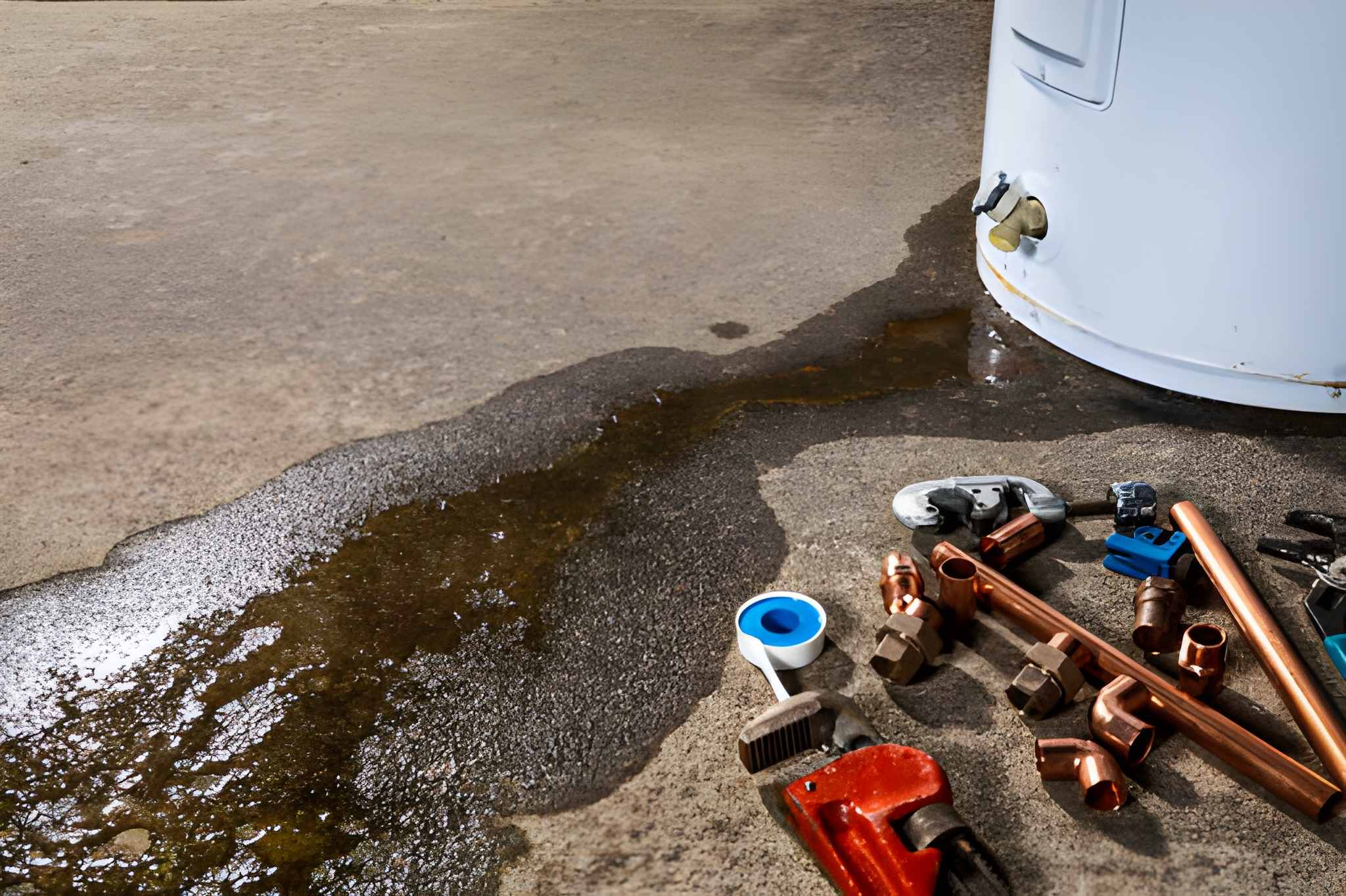
Recognizing failing equipment early prevents cold showers and more costly damage. Look for:
- Recurrent leaks around the tank or base.
- Rusty or discolored hot water coming from taps.
- Strange noises such as rumbling or popping from sediment buildup.
- Frequent pilot outages on gas units or persistent electrical tripping on electric models.
- Age of the unit: many tank systems show reduced performance after 8 to 12 years.
- Declining hot water volume or longer recovery times, especially noticeable during Murrysville winters when incoming groundwater is colder.
Tank vs tankless: which fits Murrysville homes?
Both systems have strong advantages. Choosing depends on household size, layout, energy goals, and existing plumbing or fuel lines.
Tank systems
- Pros: Lower upfront cost, simpler installation in many homes, steady supply for multiple simultaneous uses when sized correctly.
- Cons: Higher standby heat loss, larger footprint, shorter average lifespan when untreated hard water accelerates corrosion.
Tankless systems
- Pros: On-demand hot water with higher energy efficiency, smaller footprint, longer expected life span when maintained.
- Cons: Higher initial cost, may require gas line upgrades or additional venting, performance can drop if undersized for peak demand or if water hardness is high without a water treatment system.
In Murrysville, where winters increase hot water demand and some homes experience mineral-rich water, tankless systems can deliver efficiency gains but may require pre-installation water treatment or system upgrades.
Sizing and efficiency considerations
Proper sizing avoids underperformance and reduces operating costs.
- Tank sizing: Typical household needs in Murrysville fall between 30 and 50 gallons for 1-2 person homes, and 50 to 80 gallons for families with multiple simultaneous hot water uses. Consider higher recovery rates in cold-weather climates.
- Tankless sizing: Evaluate peak flow rate in gallons per minute (GPM). Shower (1.5 to 2.5 GPM), dishwasher, and washing machine simultaneous use often requires a system capable of 6 to 12 GPM depending on household habits.
- Fuel source: Natural gas, propane, or electric availability affects operating cost. In cold months, gas-fired units often recover faster than electric models.
- Efficiency metrics: Look for Energy Factor (EF) or Uniform Energy Factor (UEF) ratings. Higher values indicate better efficiency and lower operating costs over time.
Removal, disposal, and local code considerations
Replacing a water heater includes safe removal and proper disposal of the old unit.
- Drain and disconnect water and fuel/electrical lines, remove the old tank, and properly cap or seal fuel lines.
- Disposal: Most units must be recycled or disposed of per local regulations. Many municipalities and scrap yards accept old tanks for recycling.
- Permits and inspections: Replacements may require permits or final inspections under local building codes. Check Murrysville Borough and Westmoreland County rules to ensure compliance. Adhering to code helps avoid safety issues and ensures insurance coverage remains valid.
Energy-efficient models and lifecycle expectations
Selecting an energy-efficient model reduces operating costs and environmental impact.
- High-efficiency tank models include newer insulation and condensing gas designs that improve UEF.
- Tankless units typically last longer, with expected life spans of 15 to 20 years if maintained; tank units usually last 8 to 12 years depending on water quality and maintenance.
- Warranty expectations vary: tank systems commonly have 6 to 12 year limited warranties for major components; tankless systems may offer 10 to 15 year warranties on heat exchangers and shorter warranties on other parts. Always review manufacturer warranty details and note labor warranties if provided by your installer.
Typical costs and financing options
Replacement costs depend on unit type, capacity, fuel source, and any required modifications.
- Conventional tank replacements: typical total cost ranges from approximately $800 to $2,000 for common residential units including installation in standard conditions.
- Tankless replacements: typical total cost ranges from approximately $1,800 to $4,500 or more when factoring in possible gas line, venting, or electrical upgrades.
- Additional costs: water treatment, permits, removal fees, and upgrades to pan drains or pressure relief can add to the total.
- Financing options: many homeowners use home improvement loans, home equity lines, or equipment financing plans to spread costs. Energy-saving upgrades may also improve monthly cash flow through reduced utility bills, offsetting financing expenses over time.
Installation timeline and what to expect
A straightforward replacement in a typical location usually takes a single workday.
- Standard tank swap: 3 to 6 hours for removal and installation when pipes, vents, and fuel connections are accessible.
- Tankless or complex upgrades: 1 to 2 days if new venting, gas line upgrades, or electrical work is required.
- Final steps: pressure testing, combustion and venting checks for gas units, and a short run to confirm temperature and flow. Allow time for any required municipal inspections.
Benefits of upgrading now
Upgrading your water heater in Murrysville yields tangible advantages:
- Increased reliability during cold months and reduced risk of leaks or water damage.
- Lower monthly operating costs with modern high-efficiency models.
- Reduced environmental footprint through better energy use and longer equipment life.
- Improved hot water consistency for showers, laundry, and dishwashing needs.
- Potential to add value to older homes by modernizing systems and addressing code compliance.
Maintenance tips to extend life and performance
Routine care preserves efficiency and prevents premature failure.
- Flush tank units annually to reduce sediment accumulation.
- Install a water softening or conditioning solution if mineral content is high.
- Inspect and test the temperature-pressure relief valve yearly.
- For tankless units schedule descaling every 1 to 3 years depending on water hardness and usage.
- Keep venting and burners clean on gas systems to maintain combustion efficiency.