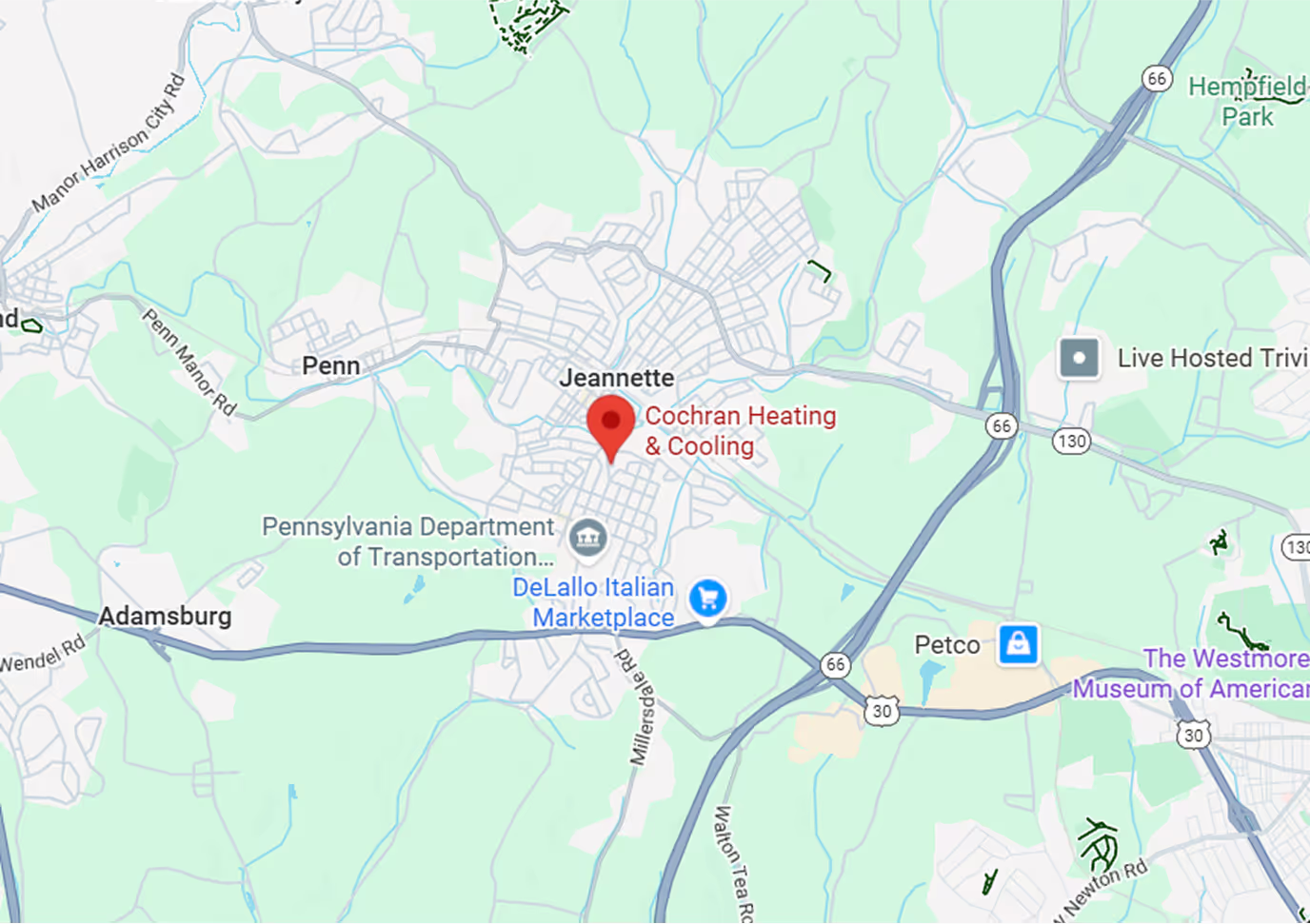
Boiler Installation in Adamsburg, PA
When those cold, snowy Westmoreland County winters hit Adamsburg, PA, your boiler works overtime. That's why installing or replacing it is such a crucial decision for your family's comfort, safety, and energy bills. Get it wrong, and you're looking at higher costs, chilly spots, and frustrating breakdowns. At Cochran Heating & Cooling, we pride ourselves on providing a truly full-service boiler installation. We’ll carefully assess your home's unique needs, help you pick the perfect equipment, handle all the permits and ensure everything meets code, and then complete a professional installation. We don't stop there; we thoroughly test it and offer maintenance tips to guarantee reliable warmth for years to come. We want your Adamsburg home to feel cozy and worry-free all season long.
%2520(3).jpeg)
Boiler Installation in Adamsburg, PA
Replacing or installing a new boiler is one of the most important investments you can make for comfort, safety, and energy efficiency in Adamsburg, PA. Cold, snowy winters in Westmoreland County put heavy demand on home heating systems, and an improperly sized or installed boiler leads to higher energy bills, uneven heating, and premature breakdowns. This page explains full-service boiler installation in Adamsburg, PA: how we assess needs, choose equipment, handle permits and code compliance, complete professional installation, and ensure reliable long-term performance through testing and maintenance.
Why a proper boiler installation matters in Adamsburg, PA
- Winters here are long and frequently below freezing, so heat reliability is essential.
- Many Adamsburg homes are older and may have radiators, cast-iron systems, or outdated oil-fired boilers that need conversion or modernization.
- Fuel options vary: natural gas where available, oil, propane, or electric boilers are all common in this region. Choosing the right fuel and system type directly affects operating costs and serviceability.
Common boiler types and typical issues in Adamsburg homes
- High-efficiency condensing boilers (modulating, condensing) — best for long-term savings in cold climates but require condensate drainage and proper venting.
- Conventional non-condensing boilers — simpler but lower efficiency; sometimes retained in older systems.
- Combi boilers (hot water and space heating) — space-saving option for smaller homes.
- Common issues leading to replacement:
- Frequent cycling and short runtimes from oversized or failing equipment
- Rusted heat exchangers, leaks, or corroded flue connections
- Insufficient capacity for modern insulation and comfort upgrades
- Fuel conversions or inability to meet new efficiency expectations
Pre-installation assessment (what we check)
- Heat load calculation: measured room-by-room to size the boiler accurately, not just based on old unit size.
- Distribution system inspection: existing radiators, baseboard, or in-floor piping condition, compatibility, and required upgrades.
- Venting and combustion air review: chimney condition, room ventilation, or direct-vent needs for high-efficiency units.
- Fuel supply evaluation: natural gas line size/pressure, oil tank condition, propane line or electrical capacity for electric boilers.
- Water quality and piping materials: presence of sediment, corrosion, or outdated materials that affect longevity.
Equipment selection: efficiency, fuel type, and sizing
- Efficiency ratings (AFUE) matter in Adamsburg: a higher AFUE (for example, 90%+) reduces fuel use during long winters and pays back over time.
- Fuel selection: natural gas when available typically offers lower fuel costs; oil or propane may still be the best option in some locations. Electric boilers can be cleaner but more expensive to operate depending on electric rates.
- Choose between condensing vs non-condensing based on venting feasibility and return-water temperatures. Condensing boilers are usually the top option for maximizing efficiency in this climate.
- Controls and zoning: modern boilers benefit from modulating burners, outdoor reset controls, and zone valves or multiple thermostats to balance comfort and efficiency.
Professional installation steps (what happens during installation)
- Removal of old equipment and safe disposal according to local regulations.
- Precise piping and venting work: install new flues or direct vent systems, upgrade piping (copper, steel, or properly rated PEX), set expansion tank and pressure relief valve.
- Condensate management: install trap and drain for condensing units to handle acidic condensate safely.
- Electrical and controls integration: safe connection to the home’s electrical system, low-water cutoffs, smart thermostats, and safety interlocks.
- System fill, air purging, and initial balancing: remove air from radiators and loops to ensure quiet, even heat.
- Final safety checks: verify pressure settings, test safety devices, and confirm proper combustion where applicable.
Permits, inspections, and code compliance in Adamsburg
- Boiler installations in Adamsburg must follow Pennsylvania mechanical and building codes and local Westmoreland County or borough permit requirements.
- Required steps typically include obtaining a permit, scheduling inspections (combustion, venting, fuel connections), and providing documentation for installed equipment and safety devices.
- Proper combustion air, flue sizing, and emissions controls are inspected to protect indoor air quality and meet code.
- Documenting compliance preserves home resale value and avoids costly retrofits during code inspections.
Post-installation testing and commissioning
- Combustion analysis (when using gas, oil, or propane) to verify safe, efficient burner operation.
- Leak and pressure testing of the hydronic system, along with thermostat calibration and zone verification.
- System balancing and final walkthrough to explain controls, safety features, and routine checks the homeowner should understand.
- Provide documentation on equipment specifications, warranty coverage, and recommended service intervals.
Maintenance plan enrollment and long-term care
- Annual maintenance is recommended for all boilers in Adamsburg, especially before winter: clean burners, check heat exchanger condition, flush system if needed, test safety controls, and optimize combustion.
- Water chemistry management (treatment, corrosion inhibitors) extends life of components and reduces the risk of leaks or pinhole failures.
- Regular maintenance preserves efficiency, lowers fuel bills, and reduces the chance of emergency breakdowns during cold snaps.
What homeowners in Adamsburg can expect during installation
- Typical timeline: a straightforward replacement may take one to two days; complex conversions or system overhauls can take several days.
- On-site impacts: temporary heating interruptions, occasional water shutdowns for piping work, and required electrical access. Installers should protect floors and leave the site clean.
- Safety measures: installers will secure fuel connections, venting, and combustion air to meet code, and perform a final safety and performance check before leaving.
Benefits and long-term considerations
- Properly sized and installed boilers deliver consistent comfort, lower energy bills, and fewer emergency repairs during Adamsburg’s cold months.
- Upgrading to higher-efficiency equipment and modern controls often results in notable seasonal savings and improved indoor comfort.
- Staying current with maintenance and code compliance protects home value and ensures safe, reliable operation for many years.
Q: How long does a full boiler installation typically take in Adamsburg, PA?
A: Simple like-for-like replacements often take one to two days; more extensive upgrades, fuel conversions, or system replacements can take several days depending on complexity.
Q: What efficiency rating should I look for in a new boiler for Adamsburg winters?
A: Aim for high-efficiency units (AFUE in the 90s) when possible—condensing boilers provide the best seasonal savings in cold climates like Adamsburg.
Q: Will I need a permit for a boiler installation in Adamsburg?
A: Yes. Boiler work generally requires local and state permits and inspections to confirm code compliance with Pennsylvania mechanical and building standards and Westmoreland County or borough regulations.
Q: Can an old radiator system be paired with a modern condensing boiler?
A: Yes—often possible, but proper piping, return-water temperature control, and potential system modifications are needed to allow the condensing boiler to operate efficiently.
Q: How often should my boiler be serviced?
A: Annual tune-ups before heating season are recommended to maintain safety, efficiency, and reliability in Adamsburg’s climate.
Q: What disruptions should I prepare for during installation?
A: Expect temporary heating interruption, brief water shut-offs, and installer access to mechanical areas. Installers should minimize dust and protect living spaces.