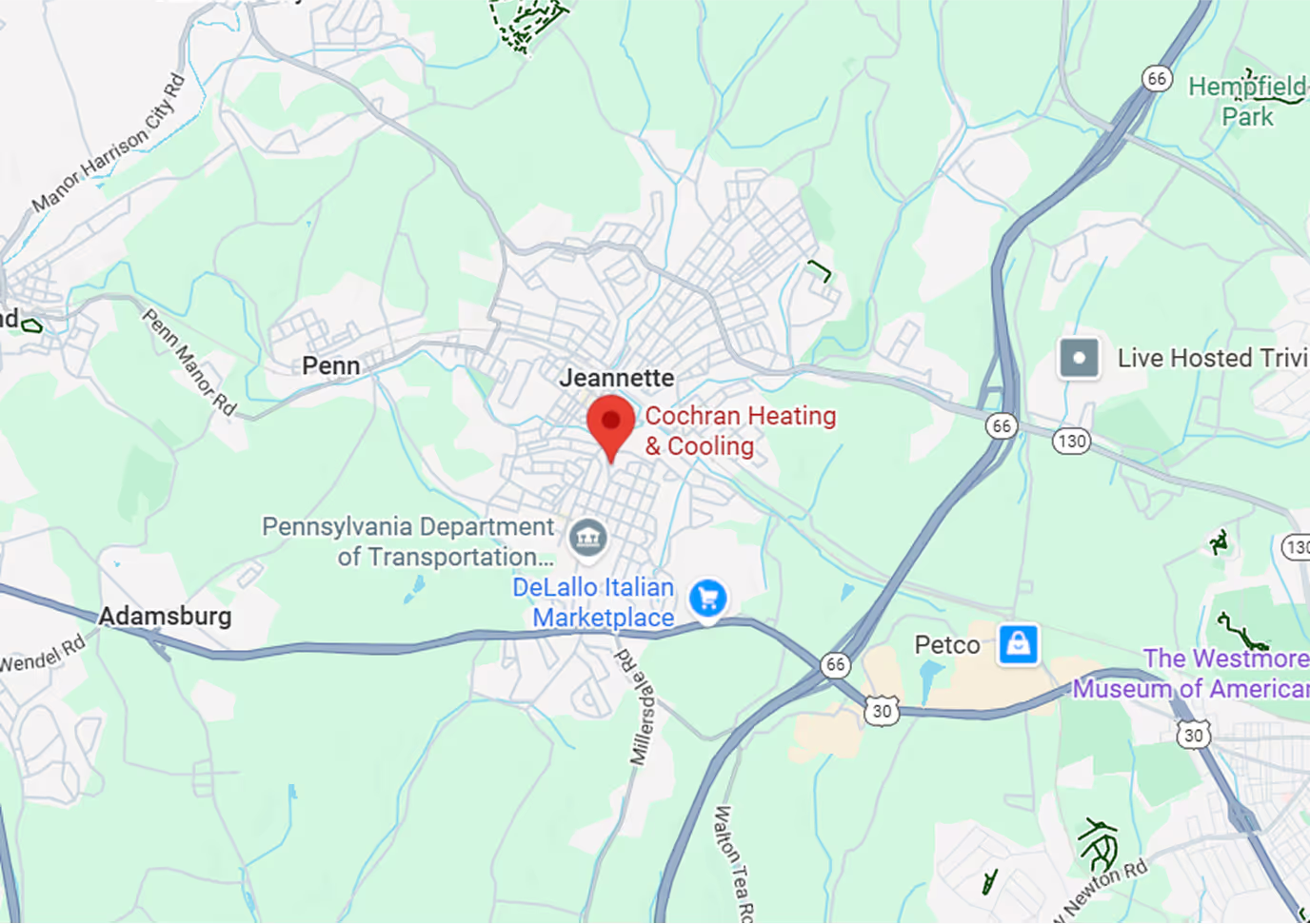
Boiler Replacement in Adamsburg, PA
For homeowners in Adamsburg, PA, upgrading your home heating system is a crucial decision that impacts comfort, safety, and long-term energy savings. A well-executed boiler replacement addresses the telltale signs of an aging system, enhances winter reliability during Pennsylvania's frigid heating season, and significantly reduces fuel costs, especially for homes with older, inefficient equipment. At Cochran Heating & Cooling, we guide you through the entire evaluation and replacement process. We'll explore high-efficiency model options, perform precise sizing and load calculations, handle removal and disposal responsibly, and discuss rebate and financing opportunities. We'll also provide a clear timeline, explain warranty details, and offer maintenance advice tailored specifically for Adamsburg homes. Contact Cochran Heating & Cooling today to learn more.
%2520(3).jpeg)
Boiler Replacement in Adamsburg, PA
Upgrading your home heating system is one of the most important decisions for comfort, safety, and long-term energy savings in Adamsburg, PA. A proper boiler replacement addresses end-of-life indicators, improves winter reliability during the cold Pennsylvania heating season, and reduces fuel costs in homes that may still rely on older, inefficient equipment. This page explains the evaluation and replacement process, options for high-efficiency models, sizing and load calculations, removal and disposal, rebate and financing considerations, expected timeline, warranty factors, and maintenance guidance tailored to Adamsburg homes.
Why replace a boiler in Adamsburg, PA
Adamsburg experiences cold winters and a long heating season, so an unreliable boiler quickly affects comfort and safety. Common reasons homeowners choose boiler replacement include:
- Frequent breakdowns and rising repair costs
- Yellow or irregular flames, pilot issues, or visible corrosion
- Age: most boilers older than 15 to 20 years are candidates for replacement
- Poor efficiency and high fuel bills from outdated, non-condensing units
- Leaks, noisy operation, or pressure problems that indicate internal failure
Replacing an aging boiler prevents emergency failures in freezing temperatures and can deliver meaningful energy savings over time.
Common boiler replacement types and high-efficiency options
Choosing the right replacement depends on fuel type, distribution system, and how you plan to use heating water. Main options include:
- Condensing gas or oil-fired boilers with high AFUE ratings for maximum efficiency
- Modulating-condensing units that match output to demand for steady comfort and lower cycling
- Combi boilers that combine domestic hot water and space heating in one compact unit, suited for smaller homes
- Cast-iron or stainless-steel non-condensing boilers when system compatibility or fuel constraints require it
For Adamsburg homeowners, condensing boilers are often the most cost-effective long-term choice because they recover more heat from flue gases during extended cold periods.
Evaluation and end-of-life indicators
A proper replacement begins with a full system evaluation:
- Visual inspection of boiler, flue, controls, and expansion tank
- Combustion analysis and efficiency testing
- Assessment of radiators, baseboards, or in-floor piping for compatibility
- Inspection for corrosion, leaks, and scale buildup
- Review of age, service history, and parts availability
End-of-life indicators include repeated component failures, metal corrosion, persistent leaks, and efficiency well below current standards. If repairs exceed a significant portion of replacement cost, replacement is the practical choice.
Sizing and load calculations
Correct sizing prevents short cycling and uneven heat. Professionals use a heat loss or load calculation that accounts for:
- Square footage and room-by-room breakdown
- Insulation levels, window types, and air infiltration
- Ceiling heights and number of exterior walls
- Local climate and design temperature relevant to Adamsburg winters
A properly sized boiler will be slightly larger than the calculated heat loss to ensure capacity on the coldest days, while modulating controls help avoid oversized-unit inefficiencies.
Removal and disposal of old equipment
Safe removal includes:
- Draining and neutralizing residual water
- Disconnecting gas, oil, or electrical services per code
- Handling and abatement if older installations have asbestos-wrapped piping or insulation
- Recycling metals and responsible disposal of non-recyclable components
- Filing required local permits and final inspections
Disposal must meet Pennsylvania and local regulations; licensed technicians follow proper environmental and safety protocols.
Rebate and financing options
Boiler upgrades can qualify for incentives that lower net cost. Typical opportunities include:
- Manufacturer rebates on high-efficiency units
- Utility or state incentives for energy-efficient heating equipment
- Federal tax credits or energy program incentives that may apply
- Financing plans that spread installation costs over time
Availability and eligibility vary, so homeowners should verify current programs and documentation requirements for Adamsburg-area incentives.
Expected project timeline
Typical phases and durations:
- Initial evaluation and quote: 1 to 3 days for on-site assessment and calculations
- Permit approval and equipment ordering: 1 to 14 days depending on local permit timelines and equipment availability
- On-site removal and installation: 1 to 3 days for standard residential jobs, longer for system conversions
- Testing, balancing, and inspection: final day for combustion testing, system balancing, and meeting code inspections
Total calendar time often ranges from a few days up to several weeks when accounting for permit and equipment lead times. Scheduling during shoulder seasons reduces the risk of emergency heating outages in winter.
Warranty information and what to expect
Warranty coverage typically includes:
- Parts warranty from the manufacturer, commonly 5 to 10 years for major components on high-efficiency models
- Limited heat exchanger warranties that may extend longer on premium units
- Labor warranty from the installer for a defined period after installation
Understand warranty exclusions such as improper maintenance, water quality damage, or non-authorized modifications. Keep installation documentation and startup reports for warranty claims.
Long-term energy and cost savings
Replacing an inefficient boiler improves comfort and reduces fuel consumption. Key long-term benefits:
- Higher AFUE ratings translate to lower fuel use during extended winters
- Modulating burners and outdoor reset controls reduce cycling and overshoot
- Properly sized systems maintain steady home temperatures and extend equipment life
- Complementary improvements such as pipe insulation, programmable thermostats, and zoning increase savings
Actual savings depend on current fuel prices, home usage patterns, and the condition of the distribution system.
Maintenance and tips for longevity
To protect your investment and maximize savings in Adamsburg homes:
- Schedule annual tune-ups and combustion testing before heating season
- Check and maintain water quality to reduce corrosion and scale
- Bleed radiators and purge low spots in hydronic systems for even heat
- Insulate exposed piping and update thermostat settings or controls
- Address small leaks and pressure issues promptly to avoid larger failures
Regular maintenance keeps warranties valid and helps the system perform efficiently through Pennsylvania winters.
Q: How do I know if my boiler needs replacement or just repair?
A: If your boiler is older than 15 to 20 years, has recurring failures, visible corrosion, persistent leaks, or efficiency far below modern units, replacement is often more cost-effective than repeated repairs. A professional evaluation and combustion test will determine the best option.
Q: Will a new boiler save me money on heating bills in Adamsburg?
A: Yes. High-efficiency condensing boilers and modern controls can significantly reduce fuel consumption, especially during cold Adamsburg winters. Savings depend on unit efficiency, fuel costs, and system maintenance.
Q: How long does a residential boiler installation take?
A: On-site removal and installation typically take 1 to 3 days for standard replacements. Permit approvals and equipment lead times can extend total project duration to a few weeks.
Q: Are there local rebates or financing for boiler replacement in Adamsburg?
A: Incentives often exist through manufacturers, utilities, state programs, or federal credits. Eligibility and availability change, so homeowners should check current incentive programs and documentation requirements before installation.
Q: What routine maintenance prolongs a boilers life?
A: Annual professional tune-ups, water quality checks, bleeding radiators, insulating piping, and promptly repairing leaks help extend life and maintain efficiency.