Boiler Installation in Murrysville, PA
Upgrading or installing a new boiler is a truly important investment for any homeowner looking for long-term comfort, energy savings, and safety. In Murrysville, PA, where winters are undeniably cold and heating demand lasts for many months, a properly sized, code-compliant, high-efficiency boiler delivers reliable warmth while keeping fuel costs down and ensuring a comfortable indoor environment. At Cochran Heating & Cooling, we'll guide you through the entire boiler installation process, specifically tailored to Murrysville homes. We'll cover common local considerations and explain exactly what to expect, from the initial site assessment to commissioning and ongoing maintenance. We're committed to making the process smooth and transparent for you, ensuring you get the best possible heating solution for your home.
Boiler Installation in Murrysville, PA
Upgrading or installing a new boiler is one of the most important investments a homeowner can make for long-term comfort, energy savings, and safety. In Murrysville, PA, where winters are cold and heating demand stretches for many months, a properly sized, code-compliant, high-efficiency boiler delivers reliable warmth while controlling fuel costs and indoor comfort. This page explains the full boiler installation process tailored to Murrysville homes, common local considerations, and what to expect from site assessment through commissioning and maintenance onboarding.
Why proper boiler installation matters in Murrysville, PA
Murrysville experiences sustained cold temperatures and occasional deep freezes. Many houses are older and use hydronic heating systems with radiators or baseboards. Improper sizing, outdated venting, or incorrect controls can cause short cycling, uneven heat, higher fuel consumption, and increased wear. A professional installation that accounts for local climate, fuel type (natural gas, propane, or oil), and existing distribution systems ensures efficiency, consistent comfort, and safe operation through the heating season.
Common boiler types and service options for local homes
- High-efficiency condensing boilers: Best for maximizing fuel savings, especially on natural gas or propane. They reclaim heat from exhaust gases to achieve higher AFUE.
- Non-condensing boilers: Used in some existing systems where venting or system temperatures make condensing impractical.
- Combi boilers: Provide space heating and domestic hot water in a single compact unit, useful in smaller Murrysville homes or renovations.
- Boiler replacement vs. conversion: Replacing an old boiler with a modern high-efficiency unit or converting fuel type (for example, from oil to natural gas) to take advantage of local utility availability.
- Zoning and controls upgrades: Adding multiple thermostats, smart controls, or modulating outdoor reset improves comfort and reduces fuel use in homes with variable occupancy patterns.
Initial site assessment and diagnostics
A comprehensive installation begins with a detailed site assessment. Expect evaluation of:
- Existing distribution: radiators, baseboards, piping layout, and circulator pumps.
- Boiler room conditions: space, venting clearance, combustion air availability, and access.
- Fuel supply: natural gas line size and pressure, propane tank location, or oil tank condition.
- Insulation and envelope: rough estimate of heat loss influences sizing decisions.
- Electrical capacity and control wiring for modern boiler controls.
Assessment in Murrysville also factors in local attributes such as typical insulation levels in neighborhood homes, basement or crawl space constraints, and common venting routes.
Load calculations and proper sizing
Accurate sizing starts with a heat loss calculation for your home, not just the boiler being replaced. Over-sized boilers short cycle, reduce efficiency, and shorten component life. A professional installer performs room-by-room or whole-house heat loss calculations using local climate data and building characteristics. The result is the right boiler capacity, correct pump sizing, and appropriate expansion tank selection so the system runs efficiently across Murrysville’s temperature range.
Equipment recommendations and high-efficiency options
For Murrysville homes, recommendable features include:
- Condensing modulating boilers for low fuel use and tight control of boiler output.
- Outdoor reset controls to adjust supply temperature based on the outdoor temperature for smoother, more efficient operation.
- Sealed combustion and direct venting where possible for safer indoor air quality.
- System upgrades such as stainless steel or coated heat exchangers in corrosive environments, especially important if switching to condensing equipment.
- Integration with smart thermostats or zoning panels to optimize comfort and save energy during shoulder seasons.
Permits, code compliance, and local regulations
All installations should comply with state and local building and mechanical codes. Permit requirements in the Murrysville area typically include submission of equipment specs, fuel conversions, and venting plans. Professional installers coordinate permits and inspections ensuring:
- Correct venting type and termination locations.
- Proper combustion air provision.
- Safe clearances and mechanical room ventilation.
- Compliance with appliance manufacturer installation requirements to preserve warranties.
Professional installation steps
A typical professional installation follows these phases:
- Pre-install preparation: scheduling, safety planning, and obtaining permits.
- Removal of the old boiler and containment to minimize dust and disruption.
- Precision piping and venting installation: properly sized supply and return piping, flue routing, condensate drain for condensing boilers, and combustion air as required.
- Electrical and control wiring: integration with existing thermostats or installation of new control systems.
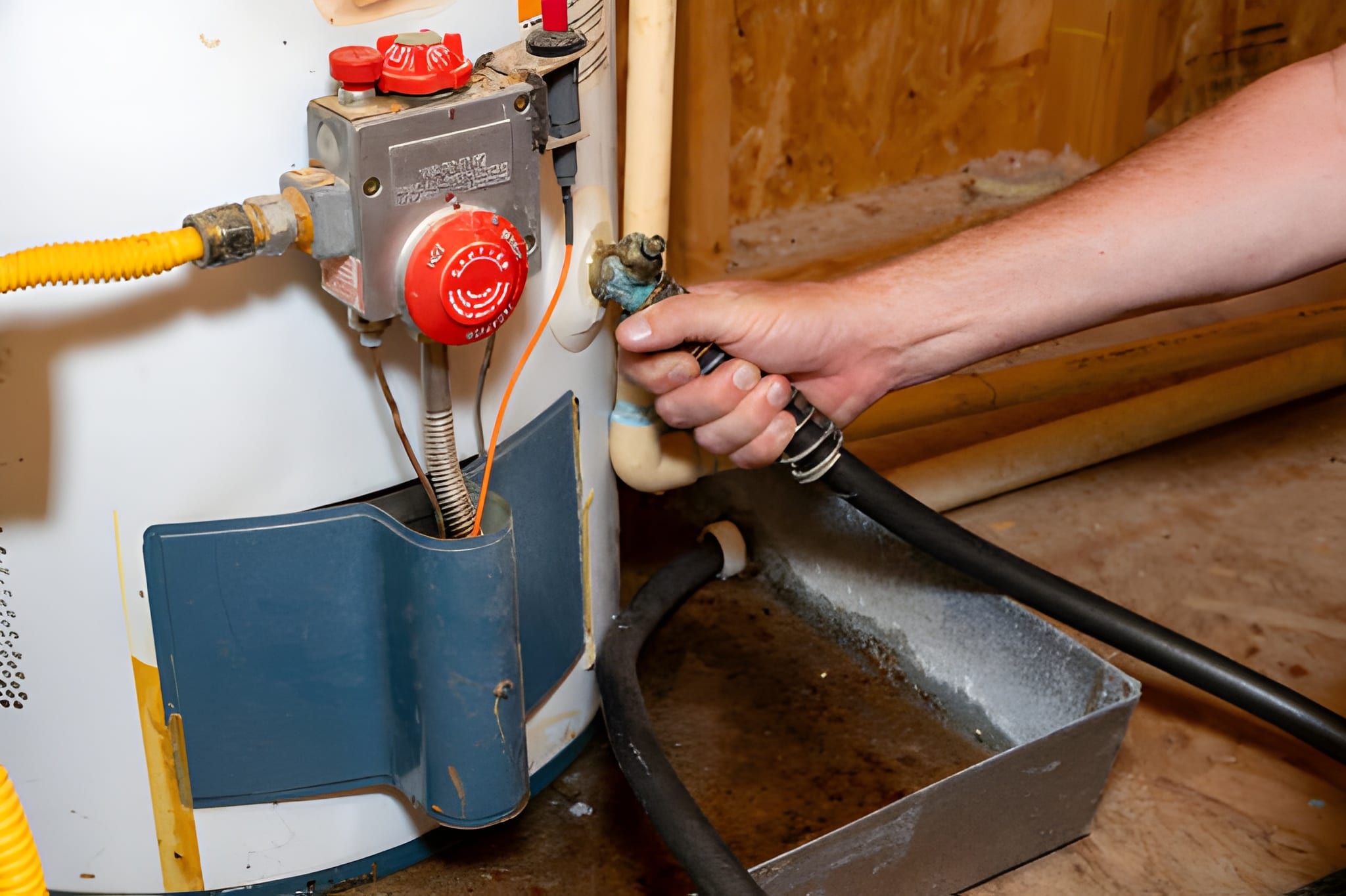
- Filling, purging, and pressure testing the hydronic system to remove air and verify leak-free piping.
- Initial startup with manufacturer-recommended procedures and adjustments.
Each step is performed with attention to local conditions, such as basement layouts common in Murrysville homes or existing chimney structures if converting venting types.
Safety and performance testing
After physical installation, rigorous testing validates safety and performance:
- Combustion analysis to verify efficient and safe burner operation.
- Flue gas temperature and draft checks for correct venting.
- Leak checks and system pressure stability testing.
- Flow and pump verification to ensure even heat distribution.
- Control sequencing checks so thermostats and zoning operate correctly.
Documenting these tests ensures the system meets both code and manufacturer expectations.
Post-installation commissioning and maintenance onboarding
Commissioning finalizes the setup: balancing zones, programming controls, and demonstrating system operation. Homeowners receive a walkthrough explaining system features, safe operation, and simple troubleshooting steps. Maintenance onboarding includes:
- Recommended maintenance schedule (annual inspection, combustion tune, and boiler cleaning).
- How to monitor condensate lines and pressure readings.
- Tips for maintaining boiler room clearance and protecting outdoor sensors from snow and ice during Murrysville winters.
- Instructions for warranty registration and preserving manufacturer coverage.
Long-term benefits and tips for Murrysville homeowners
A properly installed, high-efficiency boiler lowers annual fuel costs, provides consistent comfort throughout cold months, and reduces the likelihood of emergency repairs. For Murrysville homeowners focused on durability and efficiency:
- Keep the boiler room free of stored items and ensure combustion air openings remain clear.
- Schedule annual professional tune-ups before peak winter demand.
- Consider insulating exposed distribution piping and upgrading insulation in older homes to maximize system efficiency.
- Monitor and register warranties promptly and retain installation documentation.
FAQ
Q: How long does a typical boiler installation take in a single-family home?
A: Most full replacements take one to three days depending on complexity, including removal of the old unit, piping modifications, venting work, and commissioning.
Q: Will a new high-efficiency boiler work with my existing radiators or baseboards?
A: Yes. Modern condensing boilers can be integrated with existing hydronic distribution, though system water temperatures, controls, and pump sizing may be adjusted for optimal performance.
Q: Do I need a permit for boiler installation in Murrysville, PA?
A: Yes. Boiler installations and fuel conversions generally require permits and inspections to ensure compliance with local building and mechanical codes.
Q: What fuel options are typical for Murrysville homes and does fuel choice affect the recommendation?
A: Natural gas is common, with propane and oil present in some areas. Fuel type influences equipment selection, venting, and component materials; installers account for fuel availability and economics.
Q: How often should I schedule maintenance after installation?
A: Annual professional maintenance is recommended, ideally before the heating season, to maintain efficiency, safety, and warranty compliance.