Boiler Installation in North Huntington, PA
An efficient and properly sized boiler is crucial for reliable winter comfort in North Huntington, PA. Whether you're replacing an aging oil or gas unit, or considering a high-efficiency condensing or combi boiler for the first time, a professional new boiler installation ensures safety, code compliance, and optimal performance. At Cochran Heating & Cooling, we can guide you through the entire installation process – from the initial site inspection and load calculations to the final safety testing. We'll explain what North Huntington homeowners can expect, considering our local climate, home construction, and relevant regulations. Cochran Heating & Cooling is committed to keeping you informed and comfortable every step of the way.
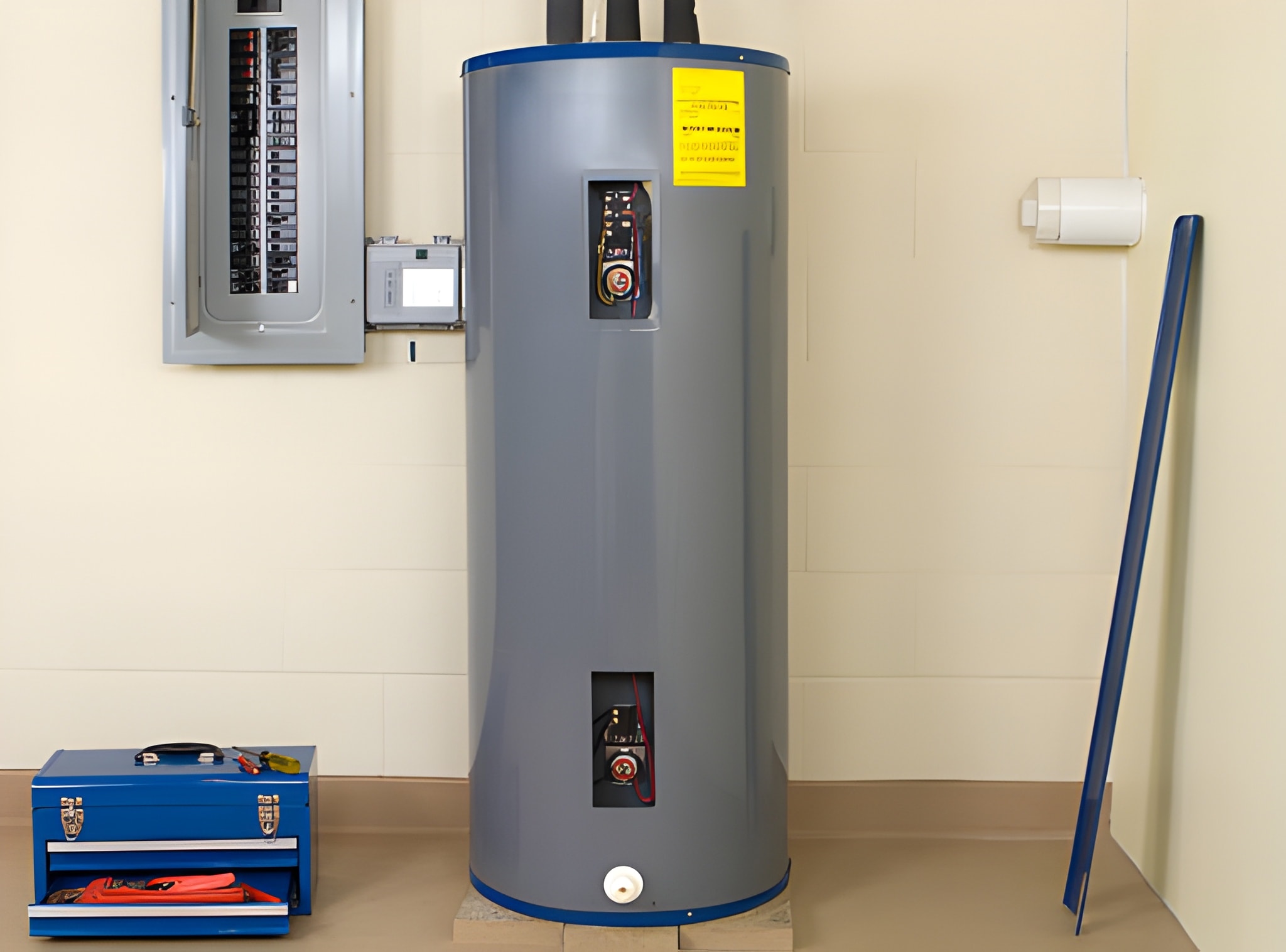
Boiler Installation in North Huntington, PA
An efficient, properly sized boiler is essential for reliable winter comfort in North Huntington, PA. Whether you are replacing an aging oil or gas unit or installing a high-efficiency condensing or combi boiler for the first time, a professional new boiler installation ensures safety, code compliance, and peak performance. This page outlines the full installation process — from site inspection and load calculations to final safety testing — and explains what homeowners in North Huntington should expect given local climate, home construction, and regulatory considerations.
Why a professional boiler installation matters in North Huntington, PA
North Huntington homes face cold, wet winters and a mix of older and newer building stock. Common issues include heat loss from older insulation, deteriorated piping, and legacy oil or cast-iron systems that are inefficient or unreliable. A correct installation:
- Matches boiler capacity to your actual heating load, avoiding short cycling or underheating.
- Improves fuel efficiency to reduce monthly heating costs in cold months.
- Ensures safe combustion and exhaust venting to prevent carbon monoxide risks.
- Meets local and state code requirements so your system passes inspections and permits.
Common boiler types and service needs in this area
- Natural gas boilers - popular where gas is available; high-efficiency condensing models are common upgrades.
- Propane or oil-fired boilers - still present in older or rural homes; may require conversion or updated venting.
- Electric boilers - an option for smaller homes or where gas is not available.
- Combi boilers - space-saving units that supply both hydronic heat and domestic hot water.
- Retrofit needs - converting radiators, upgrading piping, or adding zone controls for better comfort.
Site inspection and load calculations
A precise installation begins with an on-site inspection:
- Evaluate existing heating distribution: radiators, baseboards, or in-floor heating.
- Inspect boiler room or equipment location for clearances, ventilation, and structural support.
- Check fuel supply infrastructure: gas line size, propane tank setup, or oil storage condition.
- Perform heating load calculations (Manual J or equivalent) to determine the correct boiler BTU capacity, accounting for local climate, insulation levels, window area, and home orientation.
Accurate load calculations prevent oversized equipment, which can waste fuel and shorten component life, a frequent issue in North Huntington homes with previous "one-size-fits-all" replacements.
Equipment selection
Choosing the right boiler involves balancing efficiency, capacity, and system compatibility:
- Efficiency rating - condensing boilers with higher AFUE are often best for long winters.
- Size and modulation - modulating boilers reduce cycling in smaller loads common in well-insulated houses.
- Fuel type compatibility - confirm existing fuel supply or plan for conversion.
- Controls and zoning - modern thermostatic controls and zone valves improve comfort and lower operating costs.
- Material selection - stainless steel heat exchangers and properly sized pumps extend service life in hard water areas.
Professional installation steps
A typical installation workflow includes:
- Site prep and permits - secure required permits and ensure the installation area is ready.
- System shutdown and removal - safely decommission and remove the existing boiler and associated components.
- Piping and venting - install new supply and return piping, circulator pumps, and properly sized flues or direct venting according to code.
- Fuel connections - connect gas, propane, or oil lines with pressure checks and approved fittings.
- Controls and electrical - install control panels, zone valves, thermostats, and necessary electrical connections.
- Insulation and finish work - insulate pipes, make necessary wall or floor restorations, and secure boiler to its final position.
All steps should follow manufacturer instructions and local code to maintain warranties and ensure safe operation.
Code compliance, permits, and inspections
Boiler installations in North Huntington require coordination with local permitting authorities and adherence to state and municipal codes:
- Obtain building and mechanical permits before work begins.
- Schedule inspections for gas lines, combustion venting, and final mechanical work.
- Provide documentation of load calculations and equipment specifications to inspectors.
- Ensure installation meets combustion air, venting, and safety device requirements.
Proper permit coordination reduces the risk of delays and prevents issues during resale or insurance inspections.
Safety and performance testing
Before the system is placed into regular use, perform thorough testing:
- Pressure and leak tests on water, fuel, and venting systems.
- Combustion efficiency analysis and carbon monoxide checks for sealed and open combustion systems.
- Temperature and flow verification for each zone to ensure even heating.
- Safety device verification: low-water cutoffs, pressure relief valves, and flame sensors.
Documented testing guarantees the installation is safe and operating at expected efficiency levels for North Huntington winter demands.
Timeline expectations
Typical timelines vary by complexity:
- Like-for-like replacement: 1 to 2 days for straightforward swaps.
- Standard replacement with minor piping changes: 2 to 3 days.
- Complex retrofits, fuel conversions, or system redesigns: 3 to 5 days or longer, depending on permit turnaround and any necessary structural work.Seasonal demand and permit processing can lengthen timelines, especially before or during peak heating season.
Warranties and maintenance plan recommendations
- Manufacturer warranties - vary by model; many high-efficiency boilers include parts warranties, and some components may have extended coverage if registered.
- Installation labor warranty - a separate warranty for workmanship is common and important for long-term peace of mind.
- Recommended maintenance plan:
- Annual system tune-up before heating season: combustion check, burner cleaning, and control calibration.
- Biannual visual inspections for leaks, corrosion, and venting issues.
- Regular water quality checks and system flushing for hydronic systems in areas with hard water.
- Carbon monoxide monitoring and routine pressure checks.
Consistent maintenance preserves efficiency, extends equipment life, and helps avoid emergency breakdowns on the coldest North Huntington days.
Benefits of a proper installation
A professionally performed boiler installation delivers:
- Reliable heat during prolonged cold spells.
- Lower energy bills through improved efficiency.
- Safer operation with updated venting and safety controls.
- Better zone control and comfort throughout the home.
- Compliance with local codes and reduced risk during resale or inspections.
Q: How do I know whether my home needs a replacement or can be repaired?
A: If your boiler is more than 15 years old, requires frequent repairs, has a declining efficiency, or cannot be adapted to modern controls, replacement is often more cost-effective. A professional inspection and load calculation will determine the most economical option for your situation.
Q: Will a new boiler work with my existing radiators or baseboard convectors?
A: Most modern boilers can be integrated with existing hydronic distribution, but piping, pump sizing, and controls may need updating to match flow requirements. The on-site inspection will confirm compatibility and outline any necessary modifications.
Q: How long will a new boiler typically last in North Huntington conditions?
A: With proper installation and annual maintenance, modern boilers commonly last 15 to 25 years. Local water quality, system design, and maintenance discipline significantly influence lifespan.
Q: Are high-efficiency condensing boilers worth it in this climate?
A: Yes. Long, cold winters mean significant runtime, so higher AFUE condensing boilers can yield noticeable fuel savings over time, especially in homes with consistent heating demand.
Q: What safety checks are performed after installation?
A: Technicians perform pressure and leak tests, combustion efficiency analysis, CO testing, venting verification, and safety device checks such as pressure relief valves and low-water cutoffs.
Q: How often should I schedule maintenance after installation?
A: An annual professional tune-up before the heating season is recommended, with additional inspections if you notice unusual noises, cycling, or performance changes during winter months.