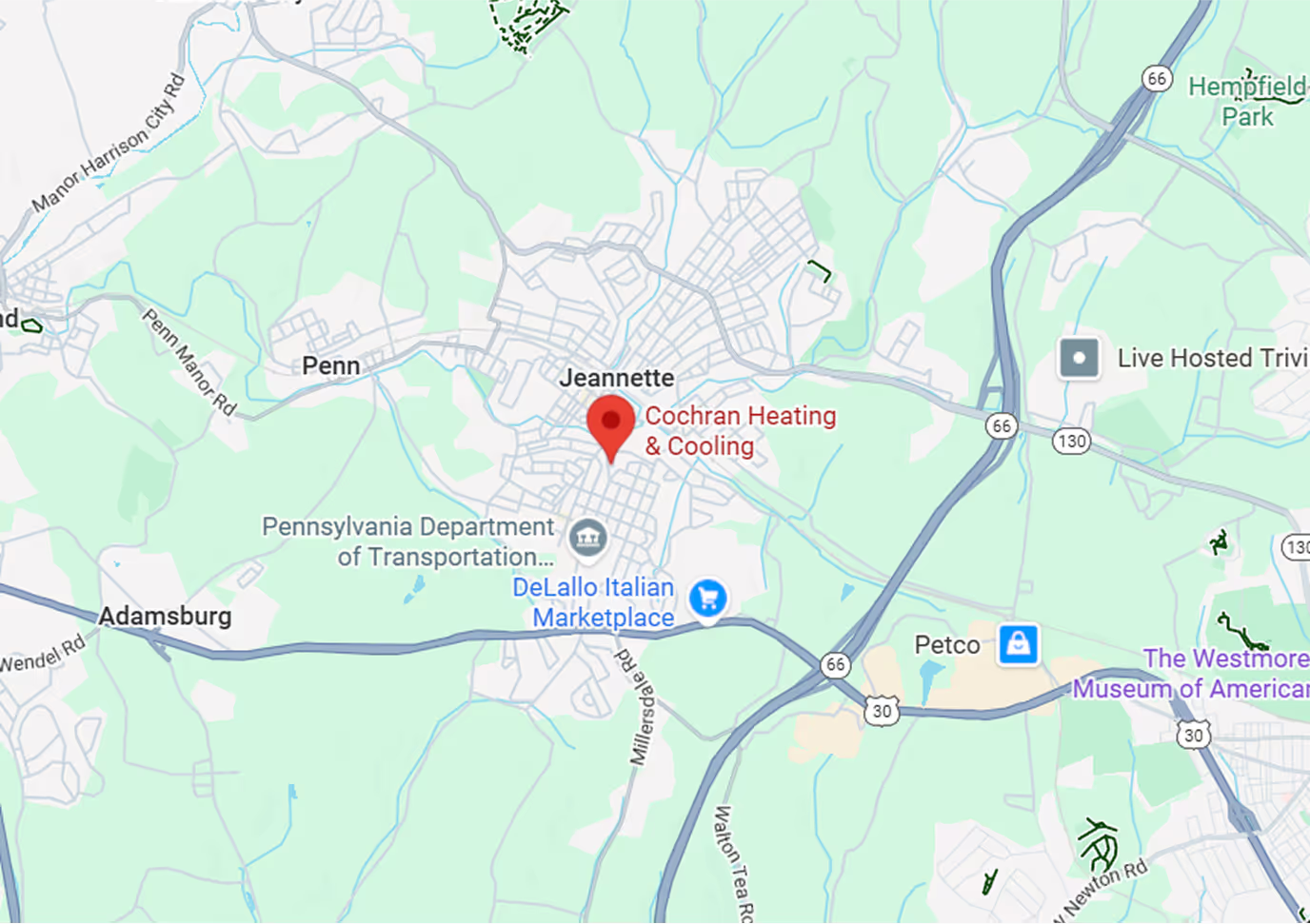
Boiler Repair in North Huntington, PA
North Huntington, PA, residents know that long, cold winters and fluctuating temperatures demand a lot from their heating systems. That's why Cochran Heating & Cooling offers professional boiler repair services focused on quickly restoring safe and efficient operation. We go beyond just fixing the immediate problem; we diagnose the underlying causes to prevent future breakdowns. Whether your boiler runs on gas, oil, or steam, our timely diagnostics, accurate parts replacement, and honest advice on whether to repair or replace your unit will protect your comfort, safety, and long-term energy costs. Trust Cochran Heating & Cooling to keep your home warm all winter long.
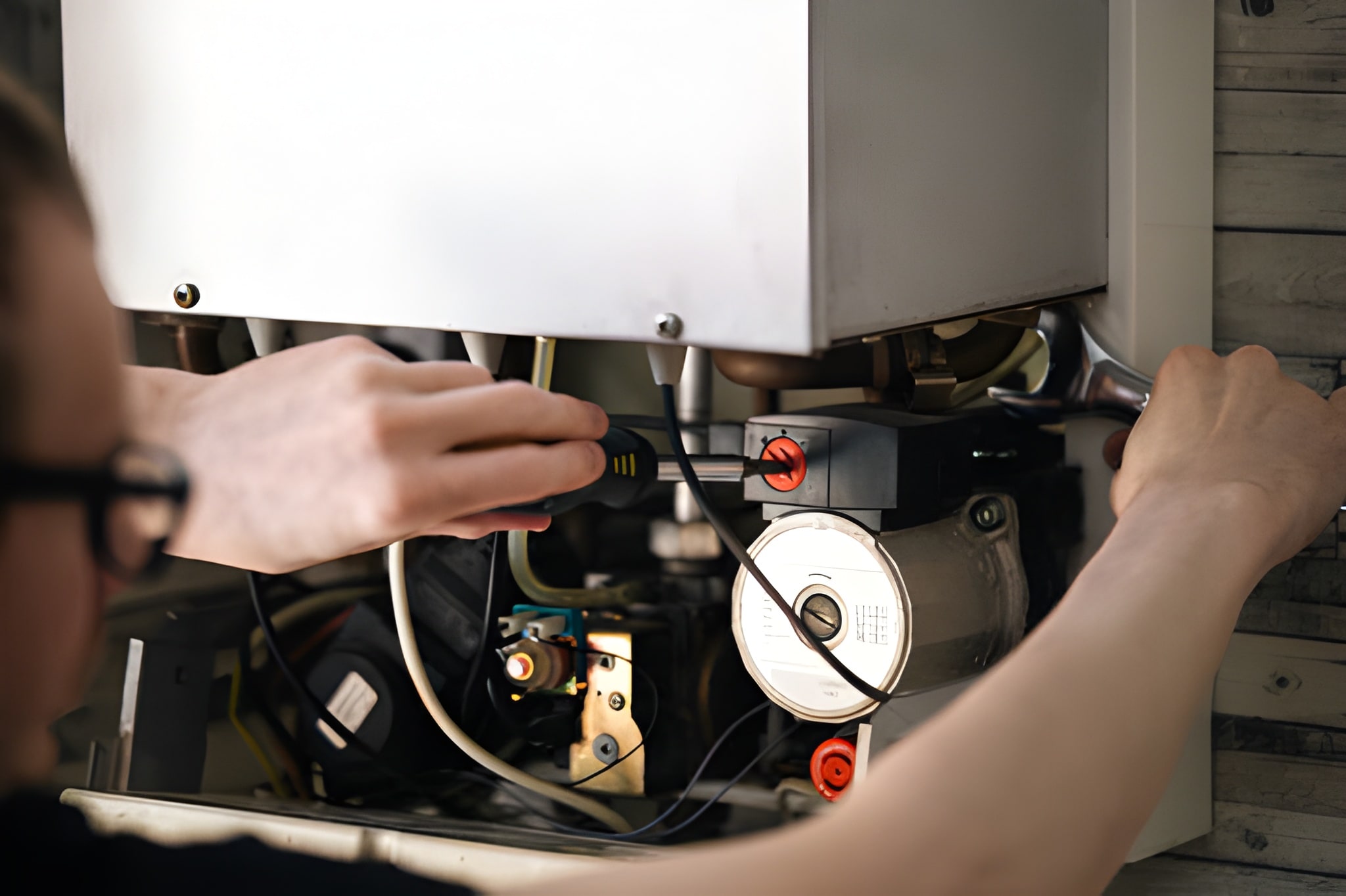
Boiler Repair in North Huntington, PA
A reliable boiler is essential for North Huntington homes where long, cold winters and temperature swings place heavy demand on heating systems. Professional boiler repair in North Huntington, PA focuses on restoring safe, efficient operation quickly while diagnosing underlying causes to prevent repeat failures. Whether your boiler is gas, oil, or steam, timely diagnostics, accurate parts replacement, and honest guidance on repair versus replacement protect comfort, safety, and long-term energy costs.
Common boiler problems in North Huntington homes
Cold weather and older housing stock in the region make certain issues more common. Typical problems technicians see include:
- No heat or hot water: ignition or fuel supply failures, circulator pump issues, or control faults.
- Intermittent operation: failing ignition electrodes, faulty flame sensors, or corroded wiring.
- Low system pressure or frequent pressure loss: leaks in piping, radiators, or the boiler heat exchanger.
- Strange noises: kettling from scale buildup, air in the system, or failing circulator bearings.
- Yellow or irregular flame and soot: burner adjustment needed, dirty burners, or combustion issues.
- Short cycling and high fuel bills: oversized thermostats, damaged controls, or failing sensors.
- Safety trips and lockouts: control board faults, flame detection failure, or blocked venting.
Diagnostic process and troubleshooting steps
A thorough, methodical diagnosis prevents unnecessary repairs and identifies safety risks:
- Visual and safety checks: inspect vents, flues, combustion chamber, visible piping, and relief valves for leaks or damage.
- System pressure and water checks: confirm expansion tank condition and piping integrity.
- Ignition and combustion testing: check electrodes, ignition transformer, burner operation, flame pattern, and combustion efficiency.
- Control and electrical diagnostics: test thermostats, control boards, relays, and safety switches with proper meters.
- Circulator and pump evaluation: inspect bearings, seals, and electrical draw to detect failing pumps.
- Leak and heat exchanger inspection: use dye tests, thermal imaging, or pressure tests to isolate leaks and assess heat exchanger condition.
- Carbon monoxide and combustion air tests: verify safe venting and combustion to protect occupants.
These steps are performed with appropriate safety protocols because gas or oil-fired boilers present combustion and CO risks, especially in older North Huntington homes with aging venting.
Repairs and parts replacement (electrodes, burners, controls, and more)
Common component repairs or replacements restore reliable operation and efficiency:
- Electrodes and ignition systems: replace corroded or worn electrodes and adjust gaps to restore consistent ignition.
- Burners and combustion components: clean or replace burners, adjust air-fuel mixture, and remove soot or buildup that reduces efficiency.
- Controls and circuit boards: replace or reprogram malfunctioning control modules, thermostats, and relays to stop lockouts and erratic behavior.
- Valves, thermostatic controls, and pressure relief devices: repair leaking or stuck components to maintain safe pressures.
- Circulator pumps and motors: replace failing pumps that cause poor heat distribution or noisy operation.
- Expansion tanks and air separators: correct pressure cycling and reduce noise or waterlogging.
- Heat exchanger repair or replacement: when cracks, severe corrosion, or major leaks are detected, replacement is considered for safety and long-term reliability.
Technicians match replacement parts to system specifications, focusing on safe operation and restoring manufacturer-recommended settings for combustion and efficiency.
Emergency response and 24/7 availability
Boiler failures during subfreezing nights create urgent risks to comfort and to plumbing in North Huntington. Emergency boiler response prioritizes:
- Rapid safety triage: shut down unsafe systems, check for gas leaks, and perform CO testing before any repair work.
- Temporary fixes to restore heat: safe interim measures such as bypassing a failed circulator or stabilizing pressure until permanent repairs are completed.
- Full repairs or part replacements as required once the system is secured and diagnostics are complete.
Certified technicians follow local codes and safety standards during emergency interventions, especially in areas where prolonged cold can cause frozen pipes or rapid deterioration.
Safety inspections and compliance
A professional safety inspection covers more than functionality. Key inspection items include:
- Combustion testing and carbon monoxide checks to confirm safe exhaust and burner operation.
- Vent and chimney inspections to clear blockages or corrosion that can cause backdrafting.
- Relief valve and pressure control tests to verify safe operating limits.
- Electrical and control wiring checks to prevent shorts, failures, or unsafe conditions.
- Documentation of findings and clear explanations of necessary actions so homeowners can make informed decisions.
Regular inspections are important in North Huntington because freeze-thaw cycles and winter debris can accelerate vent and component wear.
Transparent pricing and repair vs replacement guidance
Deciding whether to repair or replace requires balanced information:
- Evaluate boiler age: boilers older than 15 to 20 years commonly reach the point where replacement brings better efficiency and fewer repairs.
- Consider frequency and cost of past repairs: repeated failures indicate diminishing returns on repair spending.
- Assess heat exchanger condition: cracked or heavily corroded heat exchangers are safety concerns and often justify replacement.
- Compare system efficiency and fuel costs: newer high-efficiency boilers reduce long-term operating expenses in a cold climate like North Huntington.
- Availability of replacement parts: older models may have hard-to-find parts, increasing repair time and cost.
Transparent pricing practices include an itemized inspection report, clear descriptions of recommended repairs and parts, and a cost comparison for repair versus replacement options. This helps homeowners prioritize safety, budget, and long-term performance without hidden fees or surprises.
Maintenance tips to extend boiler life
Preventive care reduces emergency calls and extends useful life:
- Schedule annual safety and combustion inspections before the heating season.
- Flush systems periodically if hard water or scale buildup is suspected.
- Bleed radiators and purge air to eliminate kettling and noise.
- Check pressure gauges and expansion tank condition seasonally.
- Replace low-cost components like electrodes or sensors at first sign of degradation rather than waiting for failure.
Proper maintenance is especially valuable in North Huntington where longer heating seasons and hard winters accelerate wear.
Q: How quickly can a professional respond to a boiler emergency in North Huntington, PA?
A: Response time varies by provider and workload, but emergency technicians prioritize safety triage and typically arrive within hours for urgent situations, performing CO checks and temporary measures to restore heat while planning permanent repairs.
Q: When is a boiler heat exchanger considered beyond repair?
A: A heat exchanger that shows cracks, significant corrosion, or persistent leaks is generally considered unsafe and beyond economical repair, making full replacement the recommended option.
Q: Are replacement parts like electrodes and burners commonly available for older boilers?
A: Some parts are still widely available, but very old or discontinued models may require adapted components or lead times; assessing parts availability is part of the initial diagnostic and recommendation.
Q: Do safety inspections include carbon monoxide testing?
A: Yes, a comprehensive safety inspection includes combustion analysis and carbon monoxide testing to confirm safe venting and burner operation.
Q: Can routine maintenance reduce fuel bills in North Huntington homes?
A: Yes, cleaning burners, adjusting combustion, replacing worn controls, and removing scale improve efficiency and can lower fuel consumption in cold-climate homes.