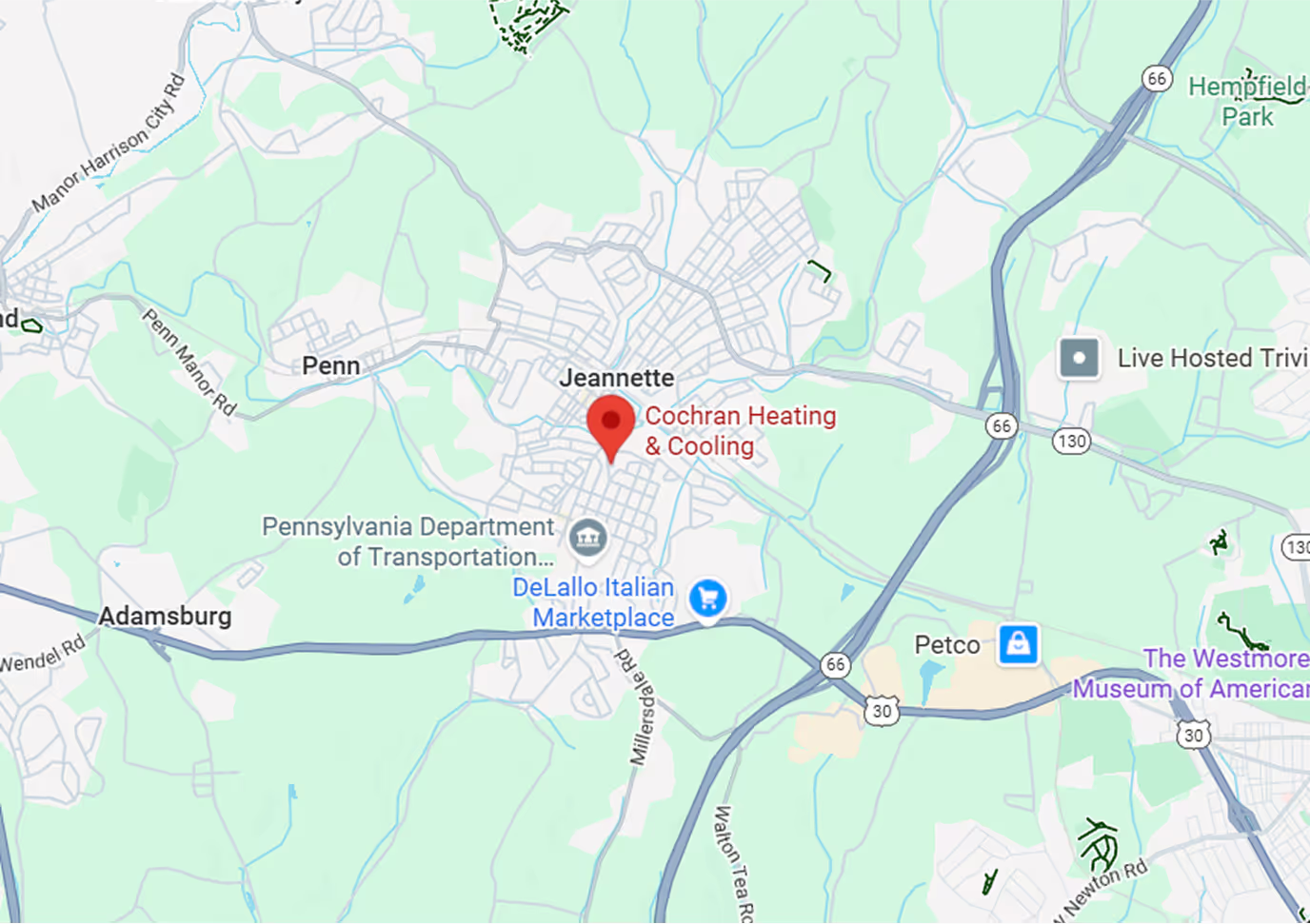
Boiler Installation in Scottsdale, PA in Scottsdale, PA
For homes in Scottsdale, PA, a new boiler installation is a high-impact upgrade that improves comfort, energy efficiency, and heating cost predictability. The harsh winters, cold snaps, and frequent freeze-thaw cycles in this region make a reliable, properly sized boiler essential. Cochran Heating & Cooling can walk you through the entire process, from the initial home assessment and heat-load calculations to ensuring code compliance. We'll detail the installation steps, commissioning, warranty considerations, and recommended maintenance plans to preserve long-term performance. With Cochran Heating & Cooling, you can keep your home warm and your bills manageable.
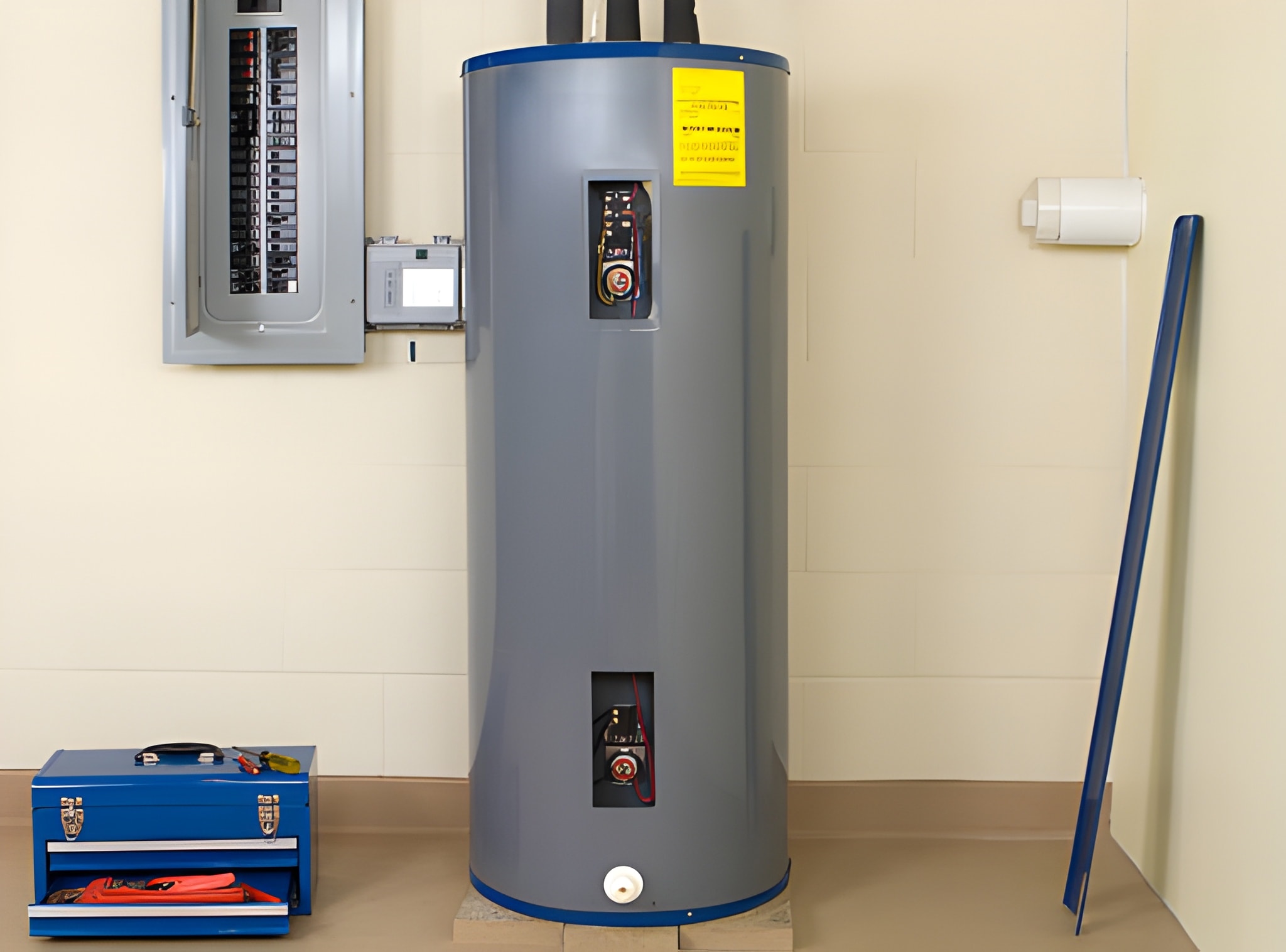
Boiler Installation in Scottsdale, PA in Scottsdale, PA
Installing a new boiler is one of the most impactful upgrades you can make for comfort, energy efficiency, and predictable heating costs in Scottsdale, PA homes. Harsh winters, cold snaps, and freeze-thaw cycles in this region make a reliable, properly sized boiler essential. This page explains the full process for new boiler installation: from the initial home assessment and heat-load calculations to code compliance, the installation steps, commissioning, warranty considerations, and recommended maintenance plans to preserve long-term performance.
Why replace or install a new boiler in Scottsdale, PA
- Older boilers lose efficiency with age, leading to higher fuel use during long Pennsylvania winters.
- Frequent breakdowns or costly repairs are signs a replacement will deliver better reliability.
- Modern high-efficiency boilers can cut fuel consumption and improve comfort with more consistent heat distribution.
- Local climate factors—extended cold periods and occasional deep freezes—mean system dependability is critical for safety and preventing pipe damage.
Common reasons Scottsdale homeowners choose new boiler installation
- Repeated repairs or rising service costs
- Uneven heating or cold spots across rooms
- Noisy operation, leaks, or pilot/ignition problems
- Desire to reduce fuel bills with a high-efficiency model
- Upgrading from oil or older gas units to current condensing technology
- Replacing end-of-life equipment (typical useful life for many boilers is 15–25 years depending on type and maintenance)
Initial home assessment and heat-load calculation
A careful installation begins with a detailed on-site assessment:
- Inspect the existing heating system, distribution piping, radiators or baseboards, and venting arrangements.
- Evaluate insulation levels, window types, and the building envelope to understand heat loss.
- Perform a formal heat-load calculation (Manual J style) to determine the exact heating output required. Oversized boilers cycle inefficiently; undersized boilers fail to maintain comfort.
- Verify fuel type availability (natural gas, propane, oil) and fuel line capacity.
- Check utility constraints and local code implications for venting and combustion air.
Including a site-specific heat-load calculation is essential in Scottsdale, PA because local climate data influences sizing and the selection of features such as outdoor reset controls or buffer tanks for zoning.
Choosing the right high-efficiency boiler
Selecting the appropriate boiler balances capacity, efficiency, and system compatibility:
- Efficiency ratings: Look for high AFUE and condensing technology for significant fuel savings in cold climates.
- Right-sized output: Choose a model that matches the calculated load rather than past equipment size.
- Hydronic distribution compatibility: Ensure the boiler integrates with existing radiators, baseboard convectors, or radiant floors, or plan for any distribution upgrades.
- Controls and zoning: Modern boilers support smart controls, outdoor sensors, and multiple zones to optimize comfort and efficiency.
- Emissions and venting: Consider venting type (direct vent, chimney, or power vent) and combustion air requirements per Pennsylvania code.
Permits and code compliance
Boiler installations in Scottsdale, PA must follow local and state codes:
- Obtain required building and mechanical permits before work begins.
- Install per fuel-gas, mechanical, and safety codes (venting clearances, combustion air, flue termination, gas piping sizing).
- Gas line modifications often require inspection and pressure testing.
- Electrical connections for controls and safeties must meet electrical code and be inspected where required.Proper permitting and inspections protect homeowners, ensure safe operation, and preserve warranty coverage.
Step-by-step installation process
A professional installation typically follows these sequential steps:
- Pre-install planning and permit acquisition.
- Safe removal and disposal of the old boiler and associated components.
- Prepare the mechanical room: level base, clearances, and flue/vent modifications.
- Connect fuel supply (gas/propane/oil) with correct piping and shutoffs.
- Install boiler, flue, and vent termination per manufacturer and code.
- Connect hydronic piping, pumps, valves, and expansion tank.
- Integrate controls, thermostats, and any outdoor reset sensors or zone valves.
- Fill, purge air from the system, and set correct pressure and flow.
- Conduct combustion testing, venting checks, and safety control verification.
Each installation step is documented so homeowners have a clear record of work completed and compliance checks performed.
Post-installation testing and commissioning
After physical installation, thorough commissioning ensures efficiency and safety:
- Combustion efficiency testing and CO checks verify safe burning and venting.
- Leak tests on fuel, water, and venting systems confirm integrity.
- System balancing and flow checks ensure all zones receive designed heat.
- Controls are programmed and explained to the homeowner for routine operation.
- Installer provides documentation on setpoints, components, and test results.
Commissioning is critical in Scottsdale where reliability during prolonged cold spells matters most.
Warranty coverage and documentation
New boilers come with different layers of warranty:
- Manufacturer warranty typically covers major components and the heat exchanger; durations vary by model and brand.
- Parts and labor warranties may differ; workmanship or installation warranties protect against installation-related issues for a limited time.
- Keep all documentation: equipment manuals, installation records, permit copies, and test results to support warranty claims.Proper installation per manufacturer instructions and code is often required to maintain full warranty protection.
Recommended maintenance plans to preserve performance
A preventive maintenance plan extends life and maintains efficiency:
- Annual tune-up including combustion analysis, burner cleaning, and heat-exchanger inspection.
- Check and replace filters, water treatment for corrosion protection, and confirm proper expansion tank function.
- Inspect and test safety controls, pressure relief valves, and low-water cutoffs where applicable.
- Flush and balance hydronic zones periodically to prevent sediment and ensure even heat distribution.
- Keep a service log of visits, parts replaced, and performance measurements.
Regular maintenance reduces emergency repairs, improves fuel efficiency, and helps catch small issues before they become system failures during cold weather.
Benefits of a professional, code-compliant installation in Scottsdale, PA
- Reliable heat during winter extremes
- Lower energy use with high-efficiency technology
- Safer operation and reduced risk of carbon monoxide or venting problems
- Extended equipment life and retained warranty coverage
- Predictable performance and fewer disruptive emergency repairs
FAQs
Q: How long does a typical boiler installation take?
A: Most residential boiler installations require one to three days depending on system complexity, removal of the old unit, and any piping or venting modifications.
Q: Will my existing radiators or baseboards work with a new high-efficiency boiler?
A: Often yes, but compatibility depends on temperature requirements and system design. A heat-load and system assessment will determine if distribution upgrades are needed.
Q: How is the correct boiler size determined?
A: A professional heat-load calculation using home specifics (insulation, windows, square footage, orientation, occupancy) determines the proper boiler output to avoid oversizing or undersizing.
Q: Do I need permits for a boiler replacement in Scottsdale, PA?
A: Yes, mechanical and building permits are typically required. Installations must meet local and state codes and often require inspection.
Q: How often should a boiler be serviced?
A: Annual maintenance before the heating season is recommended to ensure safe, efficient operation and to maintain warranty coverage.
Q: What types of warranties should I expect with a new boiler?
A: Warranties commonly include manufacturer coverage for the heat exchanger and select components; parts and labor warranties vary. Documentation from the installer clarifies coverage periods.