Boiler Replacement in Scottsdale, PA
If you're a homeowner in Scottsdale, PA, replacing an old or failing boiler is a smart move to enhance home comfort, lower heating expenses, and avoid unexpected system failures. Our region's long, cold winters and frequent freeze-thaw cycles put extra strain on older heating systems, making timely replacement essential. Cochran Heating & Cooling's professional boiler replacement service includes a comprehensive system evaluation, precise sizing calculations, and expert guidance on fuel type and model selection. We support you every step of the way, from installation and project timelines to warranty coverage, responsible disposal of your old unit, and information on available rebates or financing. Our goal is to ensure lasting efficiency, reliability, and complete peace of mind.
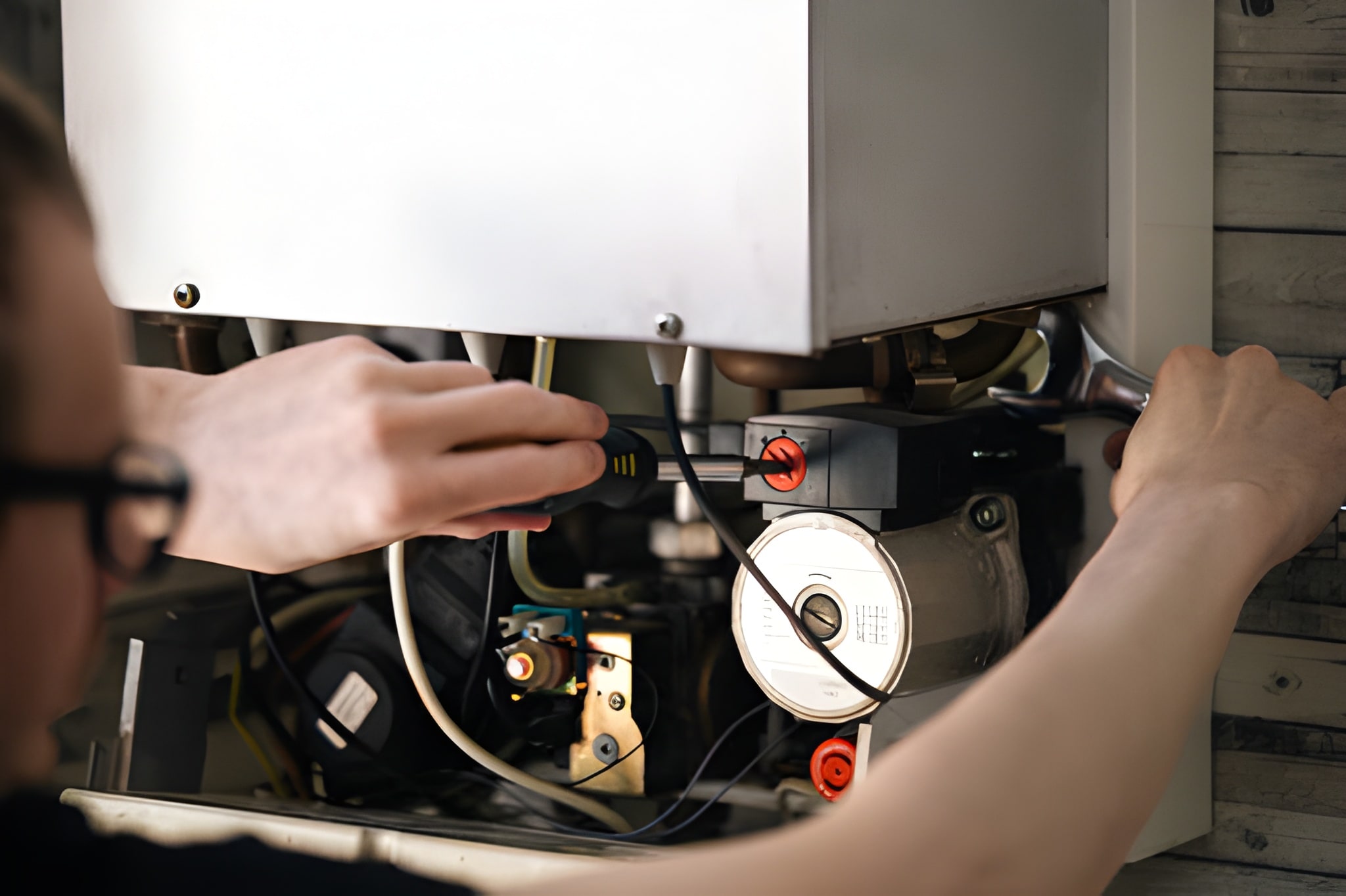
Boiler Replacement in Scottsdale, PA in Scottsdale, PA
Replacing an aging or failing boiler is one of the most effective ways to improve home comfort, reduce heating bills, and prevent unexpected breakdowns in Scottsdale, PA homes. Winters in this region bring prolonged cold and freeze-thaw cycles that put extra strain on older systems. This page explains what a professional boiler replacement looks like, how systems are evaluated and sized, fuel and model considerations, the installation process and timeline, warranty and disposal practices, potential rebates and financing, and the practical benefits you can expect after replacement.
Why replace your boiler in Scottsdale, PA
- Older boilers lose efficiency over time, driving up fuel costs during long Pennsylvania heating seasons.
- Cold snaps and heavy run-times increase the risk of component failure, leaving homes without heat when it matters most.
- New high-efficiency boilers recover heat more effectively and reduce fuel consumption, improving comfort and lowering operating costs.
- Replacing an undersized or mismatched boiler can eliminate short cycling, uneven room temperatures, and high repair frequency.
Common boiler problems and replacement triggers in Scottsdale, PA
- Frequent breakdowns or repairs that add up in cost compared with replacement.
- Uneven heating or inability to maintain set temperatures during prolonged cold.
- Increasing fuel bills despite regular maintenance.
- Rust, leaks, or severe corrosion in the heat exchanger or piping.
- Non-condensing, low-efficiency units nearing the end of expected service life.
- Incompatibility with modern thermostats, zoning, or outdoor reset controls that can improve efficiency.
Full-system evaluation and decision factors
A proper replacement begins with a full-system evaluation:
- Heat load calculation (Manual J or equivalent) to size the new boiler based on your home’s actual heating demand, insulation levels, window area, and local climate patterns.
- Assessment of existing distribution (radiators, baseboard, in-floor) to ensure compatibility or identify needed upgrades.
- Fuel availability and costs review: natural gas, oil, propane, or electric options depend on local supply and utility connections in Scottsdale, PA properties.
- Inspection of venting, combustion air, and chimney to determine necessary modifications for new equipment.
- Review of controls and zoning needs to maximize comfort and efficiency for multi-zone homes.
Energy-efficient model recommendations and sizing considerations
- Condensing boilers: Best choice for high efficiency when properly sized and when return water temperatures are low enough to capture condensing heat. Ideal for many Scottsdale, PA homes with modern hydronic distribution.
- Non-condensing direct-fired units: May be appropriate in some retrofit scenarios but offer lower efficiency.
- Modulating and condensing (mod-cons) boilers provide precise output that matches demand, reducing fuel use and cycling.
- Right-sizing is critical: oversized boilers short cycle and waste fuel; undersized boilers cannot meet peak demand. A qualified load calculation ensures correct BTU capacity.
- Consider integration with smart controls, outdoor reset, and zoning valves to reduce runtime and increase comfort.
Removal of existing equipment and professional installation steps
- Permit and code review: Local permits and inspections ensure a safe, code-compliant installation.
- Safe disconnection of fuel and electrical supply, and removal of old boiler and associated piping.
- Proper handling of any fuel residues or oil in fuel lines and tanks when applicable.
- Installation of new boiler, venting modifications or chimney liners, and required piping upgrades.
- System flushing and chemical treatment to remove rust and scale that can shorten new equipment life.
- Filling, pressure testing, and air purging of the hydronic system to ensure proper flow.
- Commissioning: calibration of controls, combustion testing, and walkthrough to confirm performance and explain system operation.
Expected timelines
- Initial evaluation and quote: often completed within a few days.
- Permitting and scheduling: may add several days depending on local municipality processing.
- Typical replacement install: 1 to 3 days for straightforward swaps; more complex retrofits or additions of zoning can take 3 to 5 days.
- Final inspection and commissioning generally occur immediately after installation.
Warranty, disposal, and environmental considerations
- New boilers come with manufacturer warranties on the heat exchanger and components; installer warranties cover workmanship for a specified period.
- Proper disposal includes recycling metal components and safe handling of any oil residue or contaminated materials from older oil-fired systems.
- Modern high-efficiency units reduce greenhouse gas emissions and fuel consumption compared with older boilers, aligning with energy efficiency goals for Scottsdale, PA homes.
Financing options and rebates in Scottsdale, PA
- Many homeowners qualify for financing plans that spread replacement cost over months or years with fixed payments.
- Utility companies and state or federal programs sometimes offer rebates, tax credits, or incentives for installing high-efficiency equipment. Available programs vary by year and by fuel type.
- A professional evaluation will identify potential rebate and finance options applicable to your property and equipment choice.
Benefits of timely boiler replacement
- Lower operating costs through improved AFUE ratings and reduced fuel consumption.
- Greater reliability during extended cold periods common in Pennsylvania winters.
- Improved comfort with better temperature consistency and the ability to add zoning.
- Reduced maintenance and fewer emergency repairs over the life of the new system.
- Increased home value and appeal from a modern, efficient heating system.
Maintenance and long-term care tips
- Annual maintenance and tune-ups preserve efficiency and longevity; include combustion checks and system inspection.
- Flush the hydronic system and treat for corrosion if your water chemistry requires it.
- Monitor system pressure and bleeding of air in radiators or baseboard circuits to avoid loss of performance.
- Keep vents and combustion air pathways clear of obstructions, especially in the winter months.
FAQs
Q: How do I know if I need a boiler replacement?
A: If your boiler is older than 15 years, requires frequent repairs, has a failing heat exchanger, or can no longer keep your home comfortable during Scottsdale winters, replacement should be considered. An on-site evaluation and heat load calculation will confirm whether repair or replacement is the best long-term option.
Q: What size boiler do I need for my Scottsdale, PA home?
A: Boiler sizing is determined by a heat load calculation that accounts for your home size, construction, insulation, window area, and local climate demands. Professional sizing prevents oversizing or undersizing and ensures efficient operation.
Q: Are condensing boilers worth it in Pennsylvania?
A: Condensing boilers can deliver significant fuel savings when installed correctly, especially in homes with lower return water temperatures and long heating seasons like those in Scottsdale, PA. Their higher upfront cost is often offset by lower operating costs over time.
Q: How long does a typical replacement take?
A: Most straight swap replacements can be completed in 1 to 3 days. More extensive retrofits, venting changes, or zoning installs can extend the timeline to 3 to 5 days, plus any permit processing time.
Q: What happens to my old boiler?
A: Old boilers are removed, recycled when possible, and disposed of in accordance with local regulations. Oil systems require special handling for fuel residue. Proper disposal protects the environment and meets code requirements.
Q: Will I qualify for rebates or tax incentives?
A: Potential rebates and incentives depend on your equipment choice, fuel type, and available local or federal programs. A professional evaluation will identify programs that may apply to your replacement.
Q: What warranties should I expect?
A: Expect manufacturer warranties on the boiler and components plus an installer warranty on workmanship. Warranty length varies by model and manufacturer, so review the specific terms during the decision process.