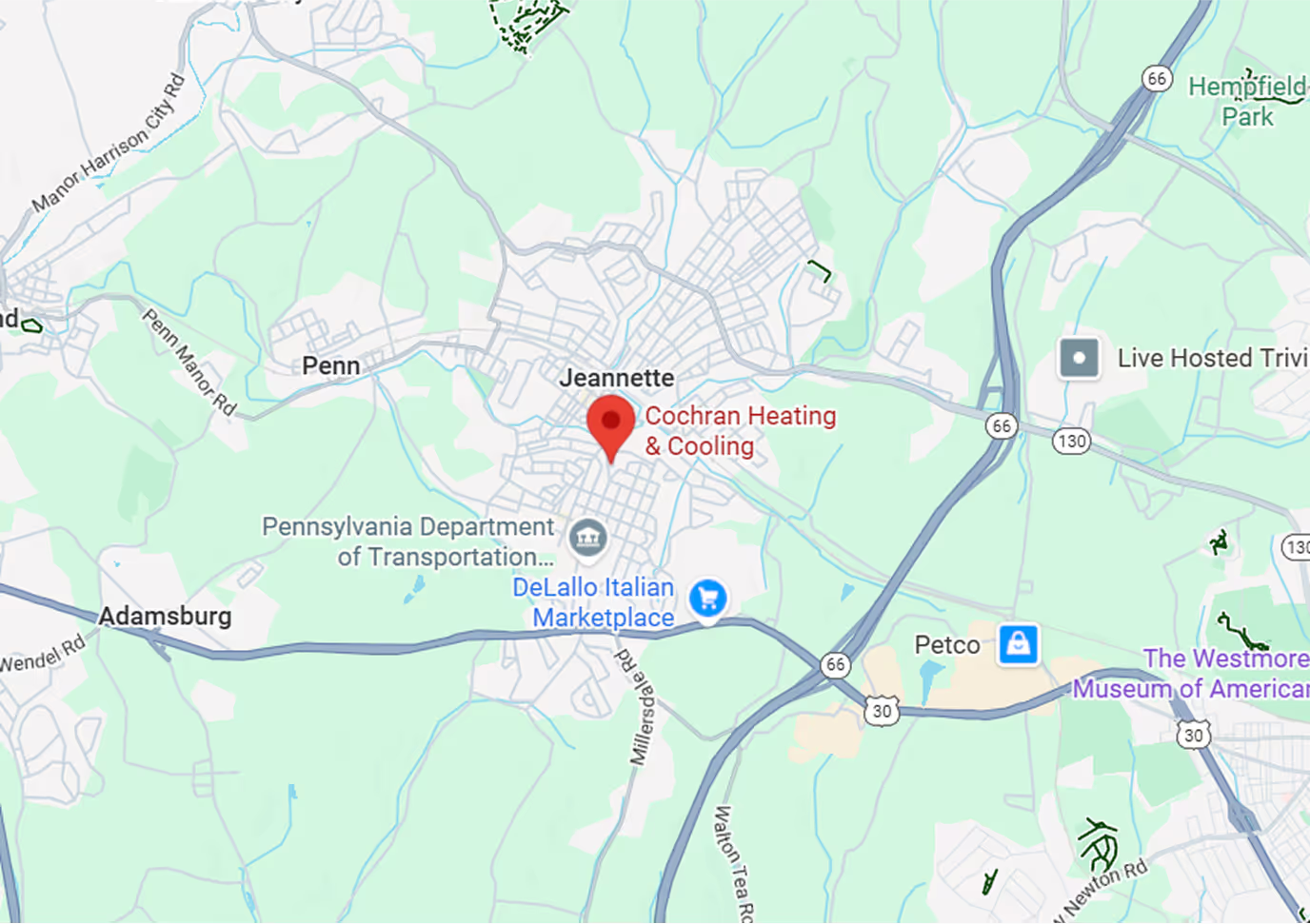
Heating Maintenance in Greensburg, PA
Heating maintenance is essential for reliable and efficient comfort during Greensburg winters. Routine heating maintenance and seasonal tune-ups catch small problems before they become major breakdowns, improve efficiency to lower energy bills, and keep combustion systems safe. For Greensburg, PA homes that face subfreezing temperatures, frequent start-stop cycles, and older furnace inventories, a focused maintenance program from Cochran Heating & Cooling makes winter comfort predictable and cost-effective.
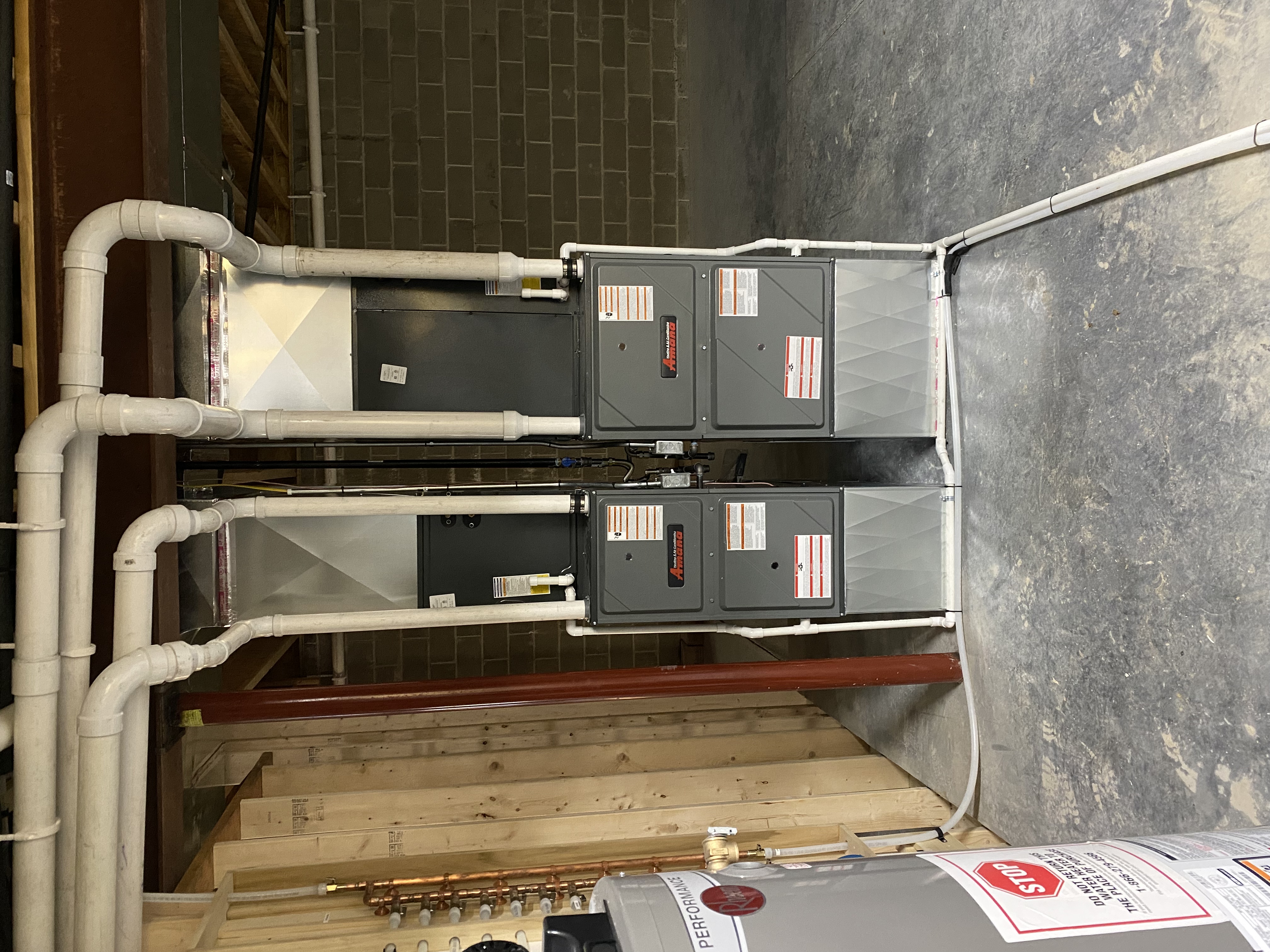
Heating Maintenance in Greensburg, PA
Heating maintenance is essential for reliable, efficient comfort during Greensburg winters. Routine heating maintenance and seasonal tune-ups catch small problems before they become breakdowns, improve efficiency to lower energy bills, and keep combustion systems safe. For Greensburg, PA homes that face subfreezing temperatures, frequent start-stop cycles, and older furnace inventories, a focused maintenance program makes winter comfort predictable and cost-effective.
Common heating systems and typical issues in Greensburg homes
Most Greensburg homes use gas-fired furnaces, oil burners, or heat pumps. Common maintenance issues include:
- Clogged or dirty filters causing reduced airflow and short cycling
- Soiled burners or ignition problems leading to delayed or failed starts
- Cracked or corroded heat exchangers creating safety and efficiency concerns
- Thermostat calibration errors producing uneven heating
- Duct leakage, debris, or poor insulation reducing delivery efficiency
- Reduced refrigerant or wear in heat pumps from year-round use
Cold, wet winters and older housing stock in Westmoreland County mean corrosion and airflow restriction are frequent causes of reduced system life and higher fuel bills.
What a routine heating maintenance tune-up includes
A professional seasonal inspection for heating maintenance in Greensburg, PA covers safety, cleaning, adjustments, and efficiency checks. Typical checklist items:
- Visual inspection of the entire heating system and flue for corrosion, rust, or improper clearances
- Replace or clean air filters and advise on the correct filter MERV rating for your system
- Clean burners, ignition assemblies, and pilot or electronic ignition components
- Inspect and test the heat exchanger for cracks or signs of combustion leakage
- Check combustion gas pressure and CO levels where applicable for safe operation
- Verify and calibrate the thermostat for accurate temperature control
- Inspect and tighten electrical connections, capacitors, and motors
- Lubricate bearings and moving parts where required to prevent early wear
- Measure system output and airflow to detect blockages or duct problems
- For heat pumps, check refrigerant levels, reversing valve operation, and defrost cycle
- Test safety controls, limit switches, and emergency shutdowns
- Review condensate lines and traps for blockages on high-efficiency units
These steps reduce the risk of winter breakdowns and restore design efficiency lost through seasonal wear.
Efficiency optimization and extra checks
Beyond cleaning and safety, maintenance visits focus on improving efficiency:
- Adjust burner settings and airflow balance for ideal combustion
- Seal visible duct leaks and advise on insulation upgrades to improve distribution
- Recommend programmable or smart thermostat settings to reduce energy use during unoccupied periods
- Inspect and adjust venting and chimney liners for optimal draft and reduced heat loss
Small tuning adjustments often yield measurable reductions in monthly heating costs for Greensburg homeowners.
Preventative care plans and recurring service
A preventative care plan (for example, the Cochran Comfort Contract model) formalizes recurring maintenance with set benefits:
- Seasonal inspections scheduled before heating season and after peak usage
- Priority scheduling during cold spells and documented service history
- Regular filter replacement intervals and reminders
- Discounted labor rates or parts for covered repairs on enrolled systems
How scheduling typically works: you choose the frequency (annual or biannual checks), set preferred seasons for visits (pre-winter and mid-winter checks), and the provider keeps records and sends reminders. Recurring service ensures inspections occur before temperatures drop and preserves warranty requirements for many manufacturers.
Typical diagnostic and service process
A professional heating maintenance visit generally follows this flow:
- Initial system assessment and homeowner review of recent symptoms or performance concerns
- Safety and combustion checks before full system startup
- Cleaning and component service (filters, burners, motors)
- Functional testing under load to confirm reliable operation
- Efficiency measurements and adjustments to combustion and airflow
- Documentation of findings, recommended repairs, and maintenance performed
Expect clear notes about any items requiring follow-up, parts that may be nearing end-of-life, and suggested timelines for repairs.
Why timely maintenance matters in Greensburg, PA
Greensburg winters include extended cold snaps and occasional heavy precipitation that stresses heating systems. Timely maintenance:
- Reduces emergency repair risk during the coldest days
- Improves energy efficiency when heating demand is highest
- Extends equipment service life amid freeze-thaw expansion and corrosion risks
- Keeps indoor air quality healthier by removing debris and preventing combustion byproducts
Preventative maintenance is especially important for older furnaces common in local neighborhoods and for homes with long duct runs or minimal insulation.
Benefits you can expect
Regular heating maintenance in Greensburg, PA typically delivers:
- Fewer unexpected breakdowns during winter
- Lower monthly energy bills through optimized performance
- Safer operation with verified combustion and CO checks
- Longer equipment lifespan and better resale appeal for the home
- Consistent, even comfort throughout the house
Routine tune-ups protect your investment and make your heating system more predictable when temperatures fall.
Q: How often should I have heating maintenance in Greensburg, PA?
A: Annual maintenance before the heating season is standard; homes with high usage or older equipment may benefit from biannual checks.
Q: What if the technician finds a cracked heat exchanger?
A: A cracked heat exchanger is a safety concern; the usual recommendation is prompt repair or replacement of the furnace to eliminate combustion gas risks.
Q: Will maintenance reduce my energy bills immediately?
A: Many homeowners see lower bills after cleaning, filter replacement, and combustion tuning. Savings depend on system condition and insulation levels.
Q: Are carbon monoxide checks included in a tune-up?
A: Proper tune-ups include combustion analysis and CO level checks when applicable to ensure safe operation.
Q: Can maintenance keep my manufacturer warranty valid?
A: Many warranties require documented annual maintenance; enrolling in a preventative care plan helps maintain required service records.
Q: What should I prepare for a maintenance visit?
A: Ensure access to the furnace or heat pump, clear surrounding area, and note any unusual sounds or performance issues to share with the technician.
Q: Does maintenance cover heat pumps differently in winter?
A: Yes. Heat pump checks include refrigerant level verification, defrost cycle testing, and assessments of electric backup systems for cold snaps.