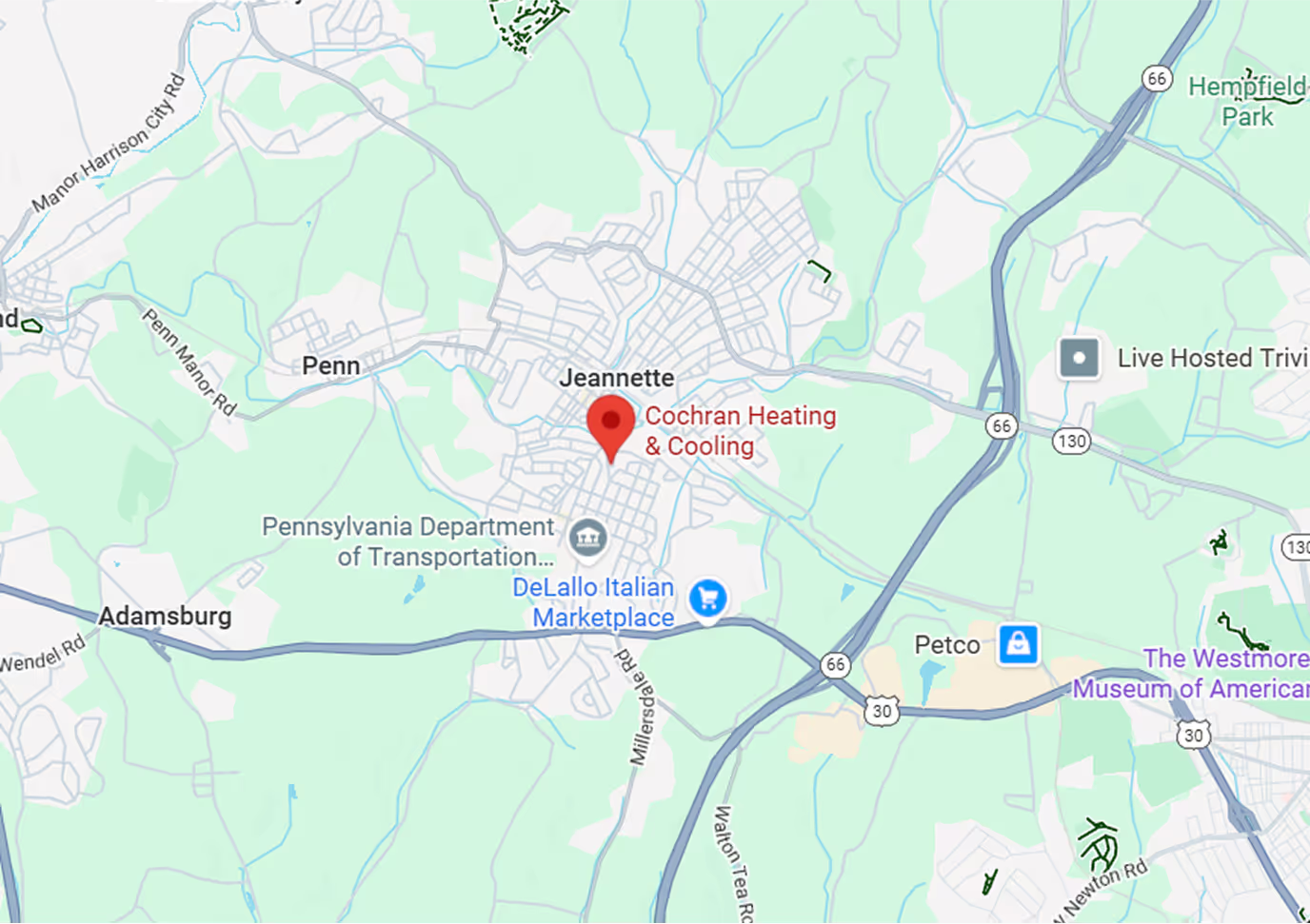
Heating Repair in Greensburg, PA
Keeping your heating system running reliably is critical in Greensburg, PA. Cochran Heating & Cooling provides professional heating repair in Greensburg, PA, focusing on restoring safe, efficient operation quickly while diagnosing the root causes of failures. We understand the heavy seasonal demand placed on heating systems in older homes. From common failure symptoms to emergency response and 24/7 availability, Cochran Heating & Cooling offers comprehensive heating repair services. We provide transparent pricing, quality parts, and practical steps to reduce future breakdowns.
.jpeg)
Heating Repair in Greensburg, PA
Keeping your furnace, boiler, or heat pump running reliably is critical in Greensburg, PA where long, cold winters and older housing stock put heavy seasonal demand on heating systems. Professional heating repair in Greensburg, PA focuses on restoring safe, efficient operation quickly while diagnosing root causes to prevent repeat failures. This page explains common failure symptoms you may notice in Greensburg homes, how technicians diagnose and repair problems, emergency response and 24/7 availability, parts and warranty considerations, expected timelines and pricing transparency, and practical steps to reduce future breakdowns.
Common heating system problems in Greensburg homes
Homeowners in Greensburg typically face a combination of age-related wear and climate-driven issues. The most frequent problems include:
- No heat or intermittent heat: Often caused by thermostat failure, ignition or pilot problems, or electrical faults.
- Uneven heating or short cycling: Common with clogged filters, restricted airflow, or improper system sizing.
- Unusual noises: Rattling, banging, or clanking can indicate loose components, failing motors, or blocked ducts.
- High energy bills with less output: Typically from failing heat exchangers, clogged heat transfer surfaces, or low refrigerant in heat pumps.
- Boiler-specific issues: Low pressure, water leaks, kettling (noisy scale buildup), or failed circulator pumps due to sediment from well or hard water common in older systems.
- Heat pump issues: Frosted or iced outdoor units, low refrigerant, or compressor and reversing valve failures during extreme cold snaps.
- Safety concerns: Carbon monoxide smell, visible flue smoke, or pilot light instability demand immediate attention.
Diagnostic and troubleshooting approach
A structured diagnostic process is essential to pinpoint the true cause and avoid unnecessary repairs:
- Initial visual and safety inspection: Check for obvious hazards, combustion appliance ventilation, gas supply, and clearances.
- System controls and thermostat checks: Verify thermostat settings, wiring integrity, and control board diagnostics.
- Airflow and combustion testing: Measure airflow, static pressure, and combustion efficiency on gas appliances to detect blocked vents or poor combustion.
- Electrical and component testing: Test capacitors, motors, control relays, ignition modules, and sensors with diagnostic tools.
- Hydronic checks for boilers: Inspect pressure, expansion tank condition, circulator operation, and evidence of leaks or corrosion.
- Heat pump-specific checks: Check refrigerant pressures, defrost cycle function, and outdoor coil condition.
- Root-cause troubleshooting: Use findings to recommend repair, replacement, or balanced corrective actions that address both symptoms and underlying causes.
Technicians experienced in Greensburg will also look for regional influences like soot or coal residue in older properties, potential hard water scale in boiler systems, and effects of freeze-thaw cycles on outdoor components.
Repair options, parts replacement, and warranty choices
Repairs range from simple component replacement to major component or system replacements:
- Common repairs: Thermostat replacement, ignition module or control board repair, motor and blower assembly replacement, circulator pump replacement, capacitor and relay swaps, refrigerant leak repair.
- Major components: Heat exchanger replacement, compressor replacement in heat pumps, or full furnace/boiler replacement when systems are unsafe or cost-ineffective to repair.
- Parts selection: Options include OEM parts or high-quality aftermarket components. Technicians typically stock frequently used parts to enable faster same-day repairs when possible.
- Warranties: Parts and labor warranty options vary. Typical arrangements include limited parts warranties plus labor coverage for a defined period, and manufacturers’ warranties when OEM parts are used. Warranty registration and documentation should be provided in writing.
Emergency response and 24/7 availability
Greensburg winters can create hazardous conditions when heating fails. Emergency heating repair services include:
- 24/7 response for unsafe conditions such as suspected carbon monoxide or no-heat emergencies during subfreezing temperatures.
- Triage over the phone to assess safety risks and provide immediate interim guidance.
- Priority dispatch for after-hours emergencies, with technicians equipped to perform temporary fixes or make safe-system decisions until a permanent repair can be completed.
Expected timelines and pricing transparency
Understanding the repair process helps set expectations:
- Diagnostics: A typical diagnostic visit takes about one hour but can be longer for complex hydronic or multi-zone systems.
- Same-day repairs: Many common repairs can be completed the same day if replacement parts are on hand.
- Extended repairs and replacements: Major component replacement or system changeouts may require ordering parts and scheduling follow-up visits over several days.
- Pricing transparency: Reputable heating repair services provide a written estimate before performing work, with an itemized breakdown of parts, labor, and any necessary additional services. The estimate will also explain whether pricing is a flat rate or based on time and materials and will note any warranty terms associated with parts and labor.
Preventive maintenance to reduce future breakdowns
Regular maintenance is the most effective way to avoid emergency repairs and improve efficiency in Greensburg’s climate:
- Schedule an annual heating tune-up before the cold season to clean burners, test controls, adjust combustion, and verify safety systems.
- Replace or clean filters monthly during heavy use to prevent airflow restrictions and short cycling.
- For boilers, perform periodic flushing or treatment to reduce scale and sediment buildup, and inspect pressure and expansion tanks.
- Keep outdoor units clear of debris and snow, insulate exposed pipes, and ensure flues and vents remain unobstructed.
- Test carbon monoxide detectors regularly and ensure proper ventilation for combustion appliances in basements and utility rooms.
- Consider thermostat upgrades and zoning to improve comfort and reduce strain on the system during peak cold days.
Why timely repair matters in Greensburg, PA
Prompt, professional repair preserves safety, extends equipment life, and maintains heating efficiency when temperatures drop. Addressing minor symptoms early prevents costly component failures and improves comfort across older and newer homes in Greensburg and Westmoreland County.
Frequently Asked Questions
Q: How quickly can a heating technician respond to an emergency in Greensburg, PA?
A: Emergency response varies by provider and time of day but typically prioritizes safety issues and no-heat situations during freezing weather with after-hours dispatch available.
Q: Will a technician repair older boilers and vintage systems commonly found in Greensburg homes?
A: Yes, experienced technicians can diagnose and repair older boilers, though they will recommend replacement when safety, efficiency, or parts availability make repair impractical.
Q: How often should I schedule maintenance for my furnace or boiler?
A: Annual professional maintenance before the heating season is recommended, with more frequent checks for systems showing performance issues or in homes with heavy use.
Q: Are estimates provided before work begins?
A: Reputable services provide a written, itemized estimate explaining parts, labor, and warranty terms before starting any non-emergency work.
Q: What warranty options are typically available on repairs and parts?
A: Warranty options commonly include limited parts coverage and labor warranties for a defined period, and manufacturer warranties when OEM parts are used; full details should be documented on the estimate.
Q: What should I do if I suspect a carbon monoxide leak from my heating system?
A: Leave the home immediately if you experience symptoms or detect a strong smell, ensure doors and windows are open for ventilation if safe, and seek emergency service for immediate inspection and repair.