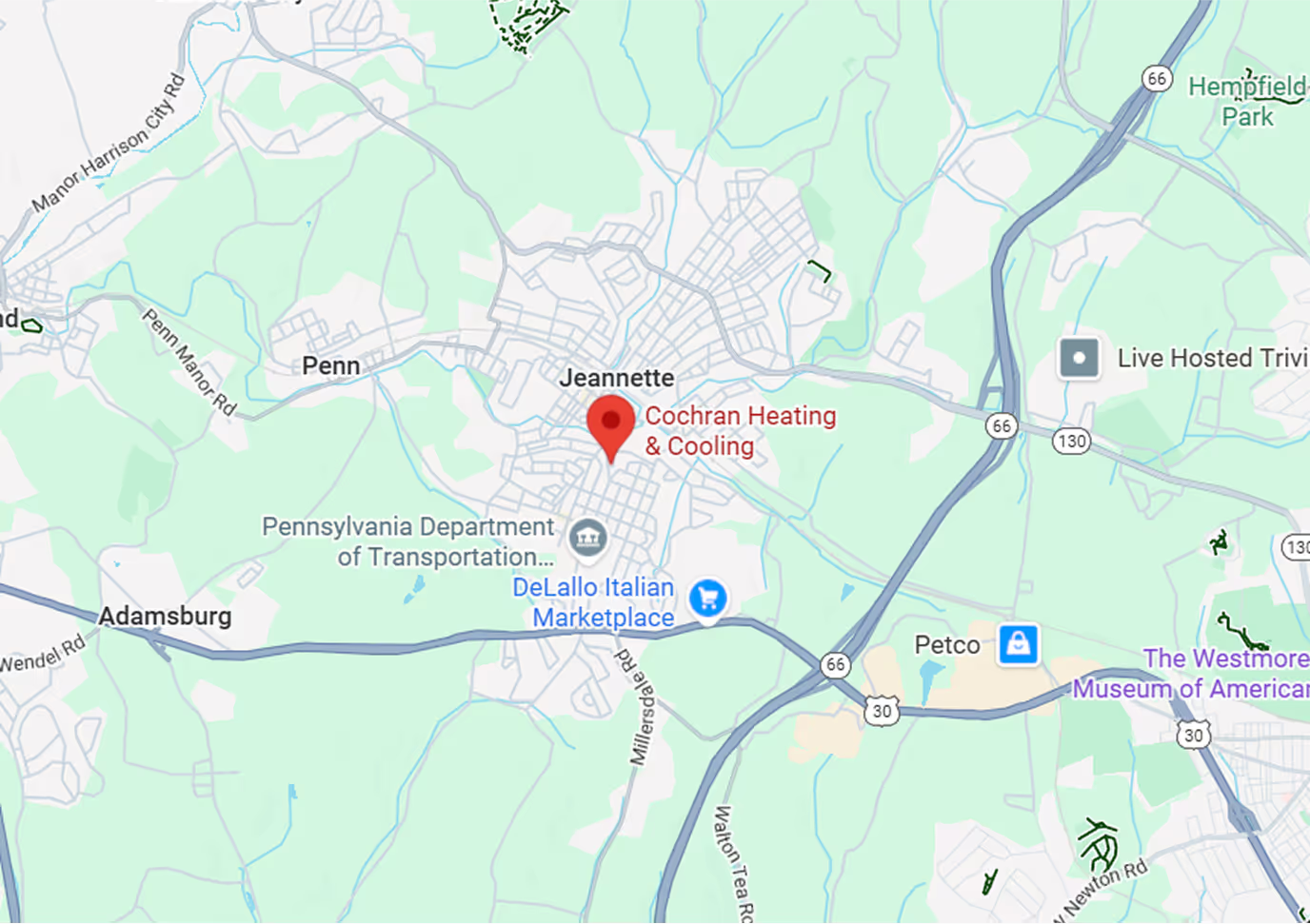
Heating Maintenance in Latrobe, PA
Keeping your heating system tuned and safe is especially important in Latrobe, PA. Cold winters, frequent freeze-thaw cycles, and older homes with aging ductwork or cast iron radiators mean routine heating maintenance is essential for reliable warmth, efficient operation, and homeowner safety. Cochran Heating & Cooling understands these challenges. Our professional heating maintenance in Latrobe, PA includes thorough diagnostic checks, addressing common local issues, and offering preventive care plans (service agreements) to keep your system running smoothly. We'll help you understand the practical steps to enroll in ongoing maintenance coverage.
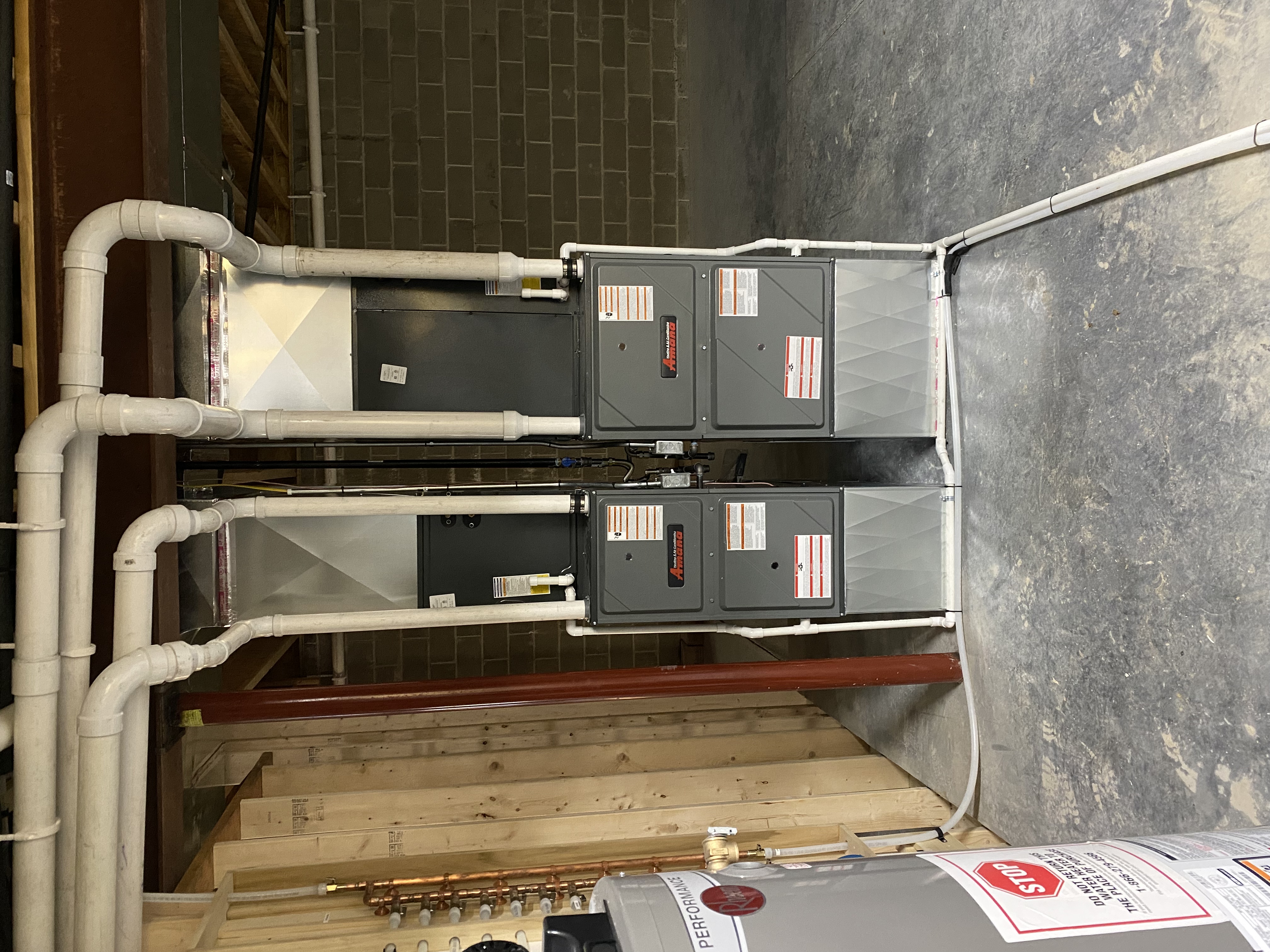
Heating Maintenance in Latrobe, PA
Keeping your heating system tuned and safe matters more in Latrobe, PA than most places. Cold winters, frequent freeze and thaw cycles, and older homes with aging ductwork or cast iron radiators make routine heating maintenance essential for reliable warmth, efficient operation, and homeowner safety. This page explains what professional heating maintenance in Latrobe, PA includes, common local issues, the diagnostic checks performed during a tune-up, preventive care plans (service agreements), and practical steps to enroll in ongoing maintenance coverage.
Why routine heating maintenance matters in Latrobe, PA
Latrobe experiences prolonged cold stretches and occasional heavy snow, which put extra strain on furnaces and boilers. Systems that are not inspected before heating season are more likely to fail when you need them most. Regular maintenance helps prevent mid-winter breakdowns, reduces energy use, preserves equipment warranties, and lowers the risk of safety issues like carbon monoxide leaks.
Common heating maintenance issues in Latrobe, PA
- Dirty or clogged filters reducing airflow and forcing your system to run longer
- Worn belts, motors, or bearings in blowers causing noisy operation and reduced efficiency
- Ignition or pilot problems on older furnaces leading to intermittent heating or no heat
- Combustion inefficiencies and venting obstructions that affect safety and performance
- Leaky ducts or radiator valves that waste heat in older Latrobe homes
- Low boiler pressure or trapped air in hydronic systems producing uneven heat
- Thermostat calibration drift causing temperature swings or short cycling
Types of heating maintenance services included
- Seasonal inspections and tune-ups for furnaces and boilers before the heating season
- Filter replacement and airflow checks to ensure proper combustion and distribution
- Safety and efficiency checks of controls, limit switches, and safety valves
- Combustion and pressure testing for gas-fired furnaces and boilers to verify safe operation
- Flue and vent inspection to confirm exhaust is clear and drafting correctly
- Electrical and mechanical checks including blower, fan, ignition system, and pilot assembly
- Ductwork and radiator assessment for leaks, insulation needs, and balance adjustments
- Preventive care plans (service agreements) that bundle scheduled maintenance, priority scheduling, and emergency support
What a seasonal heating inspection covers
A professional tune-up follows a checklist designed to catch problems before they become failures. Typical steps include:
- Visual inspection of the unit, venting, and surrounding area for signs of wear or corrosion
- Replacement of standard filters and inspection of high-efficiency filters for future replacement timing
- Combustion analysis on gas burners to measure flame quality and combustion efficiency
- Pressure testing and system integrity checks on boilers to confirm correct operating pressure
- Heat exchanger inspection for cracks or corrosion that can cause carbon monoxide leaks
- Testing safety controls, limit switches, and shutoffs to ensure proper operation
- Thermostat calibration and verification of proper cycling and staging
- Lubrication of moving parts, tightening electrical connections, and checking capacitors and relays
- Checking condensate drains on high-efficiency furnaces and clearing any blockages
Combustion and pressure testing explained
- Combustion testing measures the fuel-to-air ratio, carbon monoxide levels, and overall burner performance. Proper combustion means safer operation and better fuel efficiency.
- Pressure testing for boilers confirms the system holds correct water pressure and helps identify slow leaks or faulty relief valves. This is especially important in older hydronic systems found in many Latrobe homes.
Both procedures use specialized instruments and trained technicians to produce reliable readings and actionable recommendations.
Preventive care plans and what they include
Service agreements are designed to simplify upkeep and give predictable, prioritized service through the heating season. Common features:
- Scheduled annual or semi-annual tune-ups timed for pre-winter service
- Priority scheduling during peak cold periods so you avoid long waits for repairs
- Emergency support with after-hours response windows during major cold snaps
- Record keeping of service history, test results, and parts replaced for warranty and resale value
- Discounts on repairs or parts while on active agreement (plan details vary)
- Options for transferability to a new homeowner in many plans
How to enroll in a maintenance contract
Enrollment is typically a short, documented process that secures scheduled service and priority benefits:
- Review available plans to select the level of coverage you want for your furnace or boiler.
- Confirm which systems are covered, the frequency of inspections, and any included parts or labor benefits.
- Provide basic system information such as make, model, age, and any known issues so the first visit can be properly prepared.
- Sign the service agreement and schedule the initial inspection or tune-up during the fall pre-season window.
- Keep your service records and test reports for warranty compliance and future reference. Many contracts offer automatic reminders for upcoming maintenance visits.
Benefits of regular heating maintenance
- Improved reliability so systems are less likely to fail during extreme cold
- Energy savings because a clean, calibrated system runs more efficiently; routine care often improves efficiency by 10 to 20 percent compared with neglected units
- Extended equipment life by reducing wear on components and catching small issues early
- Enhanced safety through combustion testing and safety control verification to reduce carbon monoxide risks
- Lower long-term repair costs since preventive work limits the scope and expense of emergency repairs
- Priority service in winter with many maintenance plans reducing response times during peak demand
Practical seasonal tips for Latrobe homeowners
- Schedule a professional tune-up every fall before heavy use.
- Check and replace disposable filters every 1 to 3 months during peak use; longer for high-efficiency filters per manufacturer guidance.
- Bleed radiators or check zone valves on hydronic systems after the first few cycles of the heating season.
- Keep vents, flues, and outside air intakes clear of snow, ice, and debris.
- Test carbon monoxide detectors monthly and replace batteries yearly.
- Insulate accessible pipes and seal duct leaks to improve system efficiency in older Latrobe homes.
Q: How often should my furnace or boiler be serviced?
A: Annually is the minimum recommendation, with a pre-winter tune-up ideal. Some systems and local conditions may benefit from semi-annual checks.
Q: What is involved in combustion testing and is it necessary?
A: Combustion testing measures flame stability, CO levels, and efficiency. It is essential for gas-fired equipment to ensure safe, efficient operation.
Q: Will regular maintenance extend the life of my system?
A: Yes. Regular inspections and minor repairs reduce stress on components, often extending useful equipment life and delaying full replacement.
Q: Do maintenance plans include emergency service during cold snaps?
A: Many plans include priority scheduling and emergency response options. Specific response windows and coverage details vary by plan.
Q: Can maintenance help if my system is already old?
A: Maintenance can improve performance and safety in older systems, but a technician will also advise when repair is no longer cost effective and replacement should be considered.