Heating Repair in Latrobe, PA
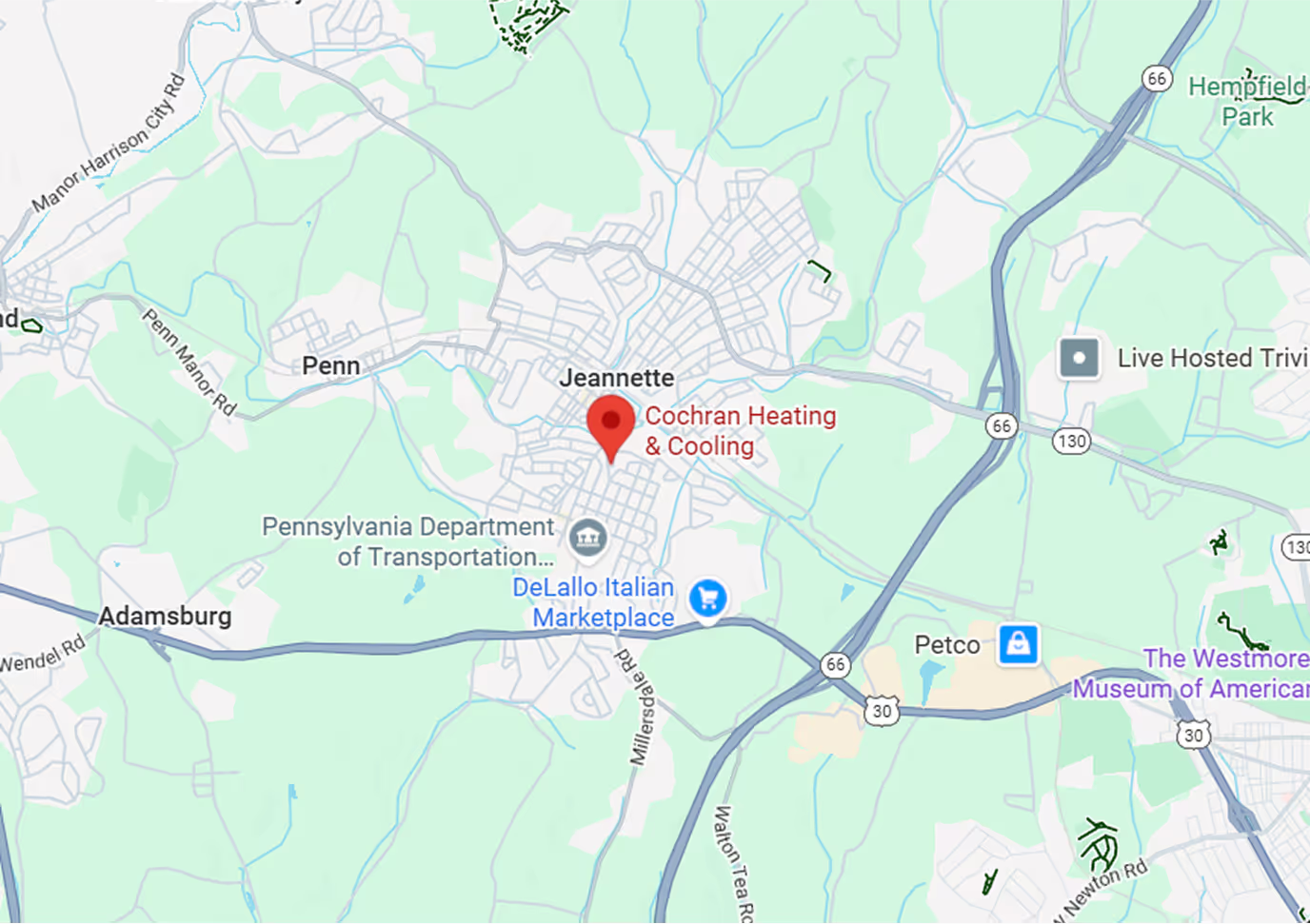
When your furnace, boiler, or heat pump gives out in Latrobe, PA, the consequences are immediate: frozen pipes, uncomfortable nights, and escalating energy bills. Professional heating repair in Latrobe, PA, especially from a trusted company like Cochran Heating & Cooling, focuses on a swift, accurate diagnosis and durable fixes designed to withstand the region’s cold winters and address the challenges of older buildings. We understand the urgency and tailor our services to meet the specific needs of Latrobe homes, ensuring your comfort and safety are restored quickly.
Heating Repair in Latrobe, PA
When your furnace, boiler, or heat pump fails in Latrobe, PA, the impact is immediate: frozen pipes, uncomfortable nights, and higher energy bills. Professional heating repair in Latrobe, PA focuses on fast, accurate diagnosis and durable fixes designed for the region’s cold winters and older building stock. This page explains common failure symptoms, diagnostic procedures, emergency and rapid-response options, typical repair solutions and parts replacement, technician qualifications and safety checks, transparent estimates, and seasonal maintenance considerations tailored to Latrobe homes.
Why timely heating repair matters in Latrobe, PA
Latrobe experiences prolonged cold and frequent freeze-thaw cycles from late fall through early spring. That increases stress on furnaces, boilers, and heat pumps and raises the risk of combustion or frozen-pipe hazards. Prompt repair restores comfort, reduces fuel and electric waste, prevents secondary damage (like burst hot-water lines), and reduces safety risks such as carbon monoxide exposure.
Common heating problems in Latrobe homes
Problems vary by equipment, but the symptoms are familiar:
- Furnace issues
- No heat or intermittent heat
- Frequent cycling or short-cycling
- Unusual noises (clanking, squealing)
- Weak airflow from registers
- Pilot or ignition failure
- Boiler issues
- Lukewarm or no hot water/radiator heat
- Pressure fluctuations or leaks
- Kettling (rumbling or banging)
- Faulty zone valves or circulator pumps
- Heat pump issues
- Reduced heating capacity in cold weather
- Icing on outdoor unit that fails to defrost
- Strange vibrations or excessive noise
- Reversing valve or compressor faults
These symptoms often stem from wear and tear, failed electrical components, clogged filters, thermostat miscalibration, or age-related failures of heat exchangers, control boards, motors, and valves.
Diagnostic process: what to expect
Heating repair begins with a structured diagnostic approach that isolates the root cause instead of treating symptoms.
- Visual inspection
- Technicians check vents, flues, condensate lines, visible pipes, and exterior units for obvious damage or blockages.
- System startup and behavior analysis
- Observing ignition sequences, burner operation, combustion, and airflow reveals ignition, combustion, or circulation issues.
- Component testing
- Electrical checks (voltage, continuity), pressure tests for boilers, refrigerant checks on heat pumps, and thermostat signal verification.
- Safety checks
- Combustion analysis when applicable, carbon monoxide monitoring, and heat exchanger inspection for cracks or corrosion.
- Written diagnostics
- Clear reporting of findings with prioritized repair recommendations and estimated time to complete work.
Typical repairs and parts replacement
Repairs focus on restoring safe, efficient operation with durable components common to heating systems in Latrobe homes.
- Ignition systems and pilot assemblies: replace faulty igniters or thermocouples
- Control boards and relays: update failed electronics that cause erratic behavior
- Blower motors and belts: restore airflow for proper heat distribution
- Heat exchangers and combustion chambers: address corrosion or cracks (high-safety priority)
- Circulator pumps, zone valves, and expansion tanks on boilers: fix circulation and pressure problems
- Refrigerant leaks, compressors, and reversing valves on heat pumps: repair or replace components affecting heating in cold conditions
- Thermostats and control wiring: recalibrate or replace for accurate control
- Air filters, condensate traps, and drain lines: routine fixes that often resolve performance problems
Parts are selected based on compatibility with the make, model, and age of the unit. When replacement is recommended, technicians typically explain the reason for replacement versus repair and advise on expected service life.
Emergency and rapid-response service
Emergency heating repairs are critical during Latrobe’s cold spells. Rapid-response service typically includes:
- Priority diagnostics to determine if immediate temporary measures (like safe shutoff or bypass) are needed
- Short-term fixes to restore heat while planning a long-term repair
- Safety checks to prevent carbon monoxide or fuel leaks
Providers often have designated emergency response protocols and can advise on temporary steps homeowners can take safely (such as adjusting thermostats or shutting off fuel supply when instructed by a qualified technician).
Technician qualifications and safety checks
Safety and quality hinge on technician training and adherence to codes.
- Certifications and qualifications
- Technicians should carry industry certifications (for example, NATE or equivalent training), local licensing where applicable, and regular continuing education on modern HVAC controls and refrigerant handling.
- Safety procedures
- Combustion analysis, carbon monoxide testing, pressure and leak tests, and documented safety inspections are standard.
- Compliance and permits
- For major boiler or fuel-line work, local code compliance and permits may be required; qualified technicians can identify and handle permitting needs.
Technicians should always explain safety findings and document repairs, including parts used and serial numbers for warranty tracking.
Transparent pricing and written estimates
Transparent pricing helps Latrobe homeowners make informed decisions without surprise fees.
- Diagnostic fees and estimate structure
- A diagnostic charge often covers on-site testing and is commonly applied toward the total repair if approved. Estimates should itemize labor, parts, taxes, and any permit or disposal fees.
- Repair vs. replacement guidance
- Estimates should compare repair cost and expected remaining life to replacement options for older units, helping homeowners weigh long-term value.
- Warranties and parts information
- Estimates commonly indicate manufacturer warranties, parts warranties, and whether work meets local code requirements.
Written estimates and clear explanations of what is included—labor hours, parts brand or equivalent, and expected completion time—are industry best practice.
Maintenance and preventing repeat failures
Routine maintenance reduces breakdowns and extends equipment life—particularly important in Latrobe’s climate.
- Seasonal tune-ups
- Annual furnace or boiler inspections and biannual heat pump checks improve reliability.
- Simple homeowner checks
- Replace filters regularly, keep outdoor units clear of snow and debris, and ensure vents and returns are unobstructed.
- System upgrades
- Upgrading thermostats, improving duct sealing, or replacing aging heat exchangers can improve comfort and efficiency during long winters.
Timely repairs combined with preventive maintenance reduce energy costs and increase safety.
FAQs
Q: How quickly can a heating problem be diagnosed in Latrobe, PA?
A: Typical on-site diagnostics take between 30 minutes and two hours depending on system complexity; emergency visits prioritize immediate safety and temporary heat restoration.
Q: Will a diagnostic fee be applied to the repair cost?
A: It is common practice for diagnostic fees to be credited toward the final repair invoice if work is authorized; written estimates should clarify this.
Q: Are older boilers and furnaces more likely to have problems in Latrobe?
A: Yes. Older equipment commonly found in Latrobe homes is more susceptible to heat exchanger corrosion, circulation failures, and control-board degradation due to heavy winter use.
Q: What safety checks should be included after a repair?
A: Post-repair safety checks typically include combustion efficiency testing, carbon monoxide monitoring, pressure and leak verification, and confirmation that venting and clearances meet local code.