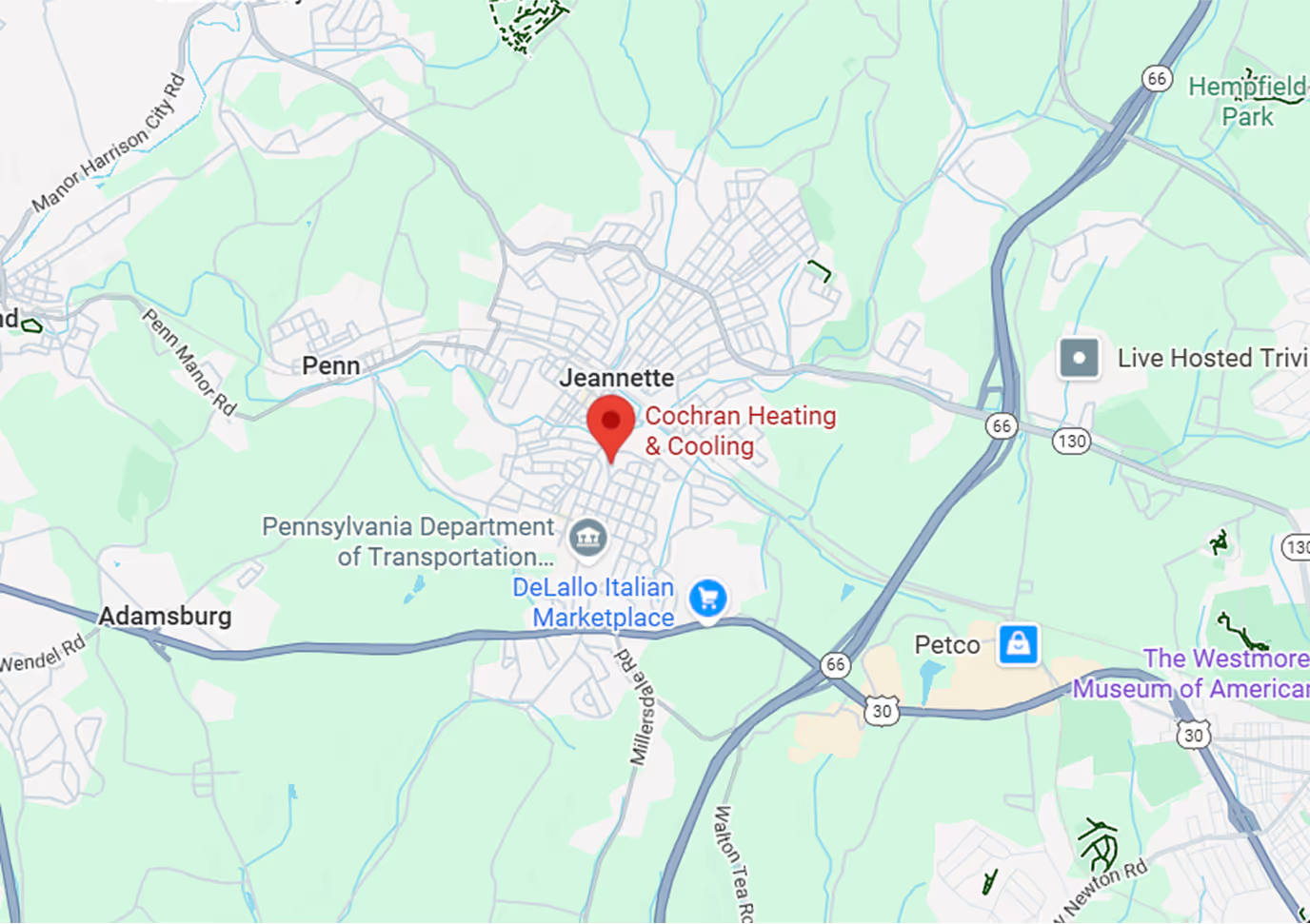
Heating Maintenance in Westmoreland County, PA
Seasonal heating maintenance from Cochran Heating & Cooling is essential for reliable, efficient home comfort in Westmorland County, PA. With our cold winters and frequent temperature swings, routine tune-ups reduce the risk of midwinter breakdowns, lower monthly energy costs, and extend the life of your equipment. We offer comprehensive heating maintenance services, including inspections and tune-ups, tailored schedules for Westmorland County homes, and membership or comfort-contract options.
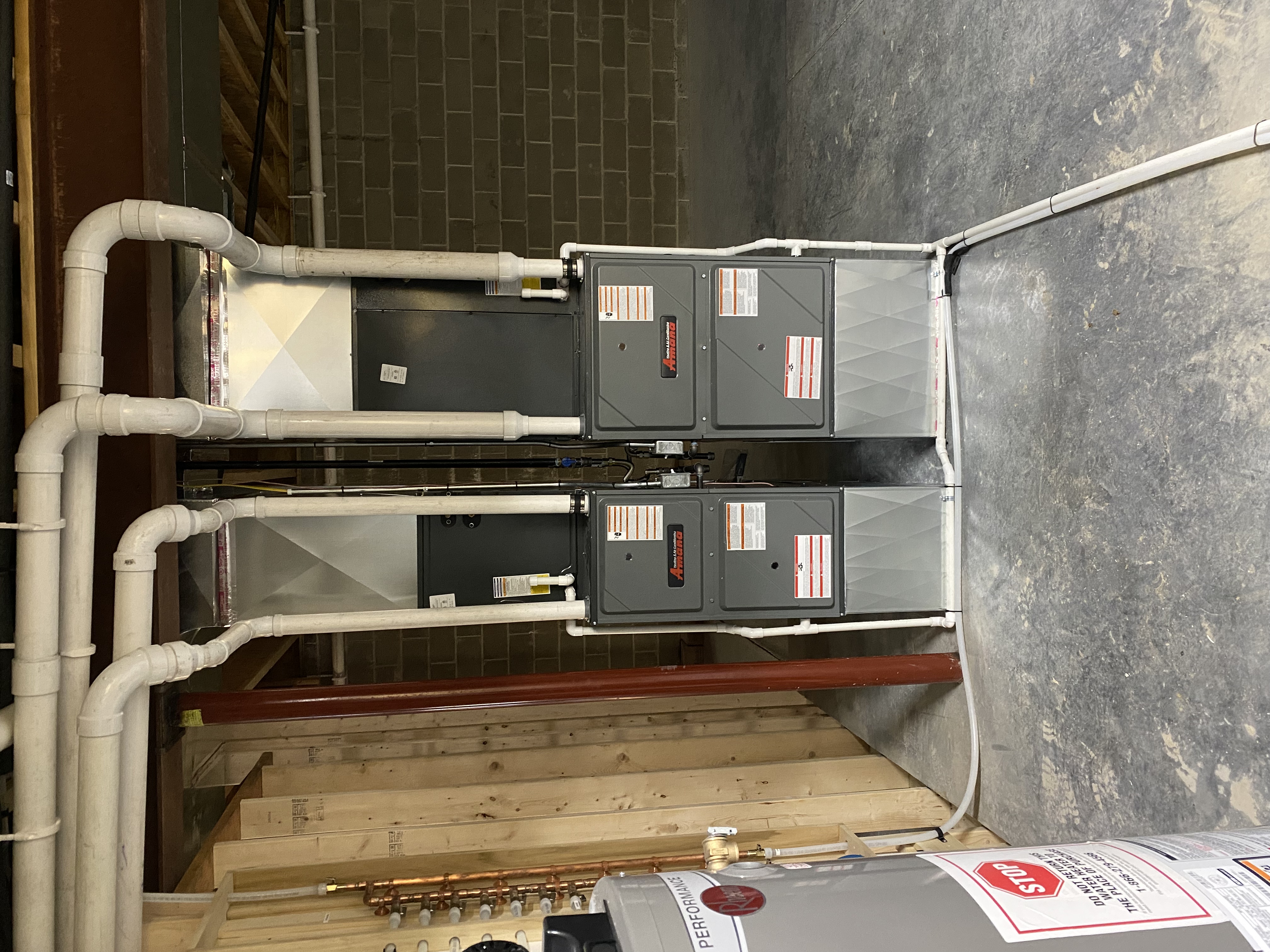
Heating Maintenance in Westmoreland County, PA
Seasonal heating maintenance is essential for reliable, efficient home comfort in Westmoreland County, PA. With cold winters, frequent temperature swings in shoulder seasons, and a mix of older and newer heating systems in local housing stock, routine tune-ups reduce the risk of midwinter breakdowns, lower monthly energy costs, and extend the life of your equipment. This page explains common heating maintenance services, what to expect during inspections and tune-ups, recommended schedules for Westmoreland County homes, membership or comfort-contract options, and practical maintenance tips.
Why heating maintenance matters in Westmoreland County, PA
Westmoreland County experiences prolonged cold periods and occasional heavy snow, which puts heavy demand on furnaces, boilers, and heat pumps. Homes here often have older ductwork, multi-level layouts, and a range of fuel types - natural gas, oil, propane, and electric heat pumps. Regular maintenance addresses performance losses caused by seasonal pollen, winter dryness, and wear from frequent cycles. Preventative care decreases the likelihood of emergency service on the coldest days and helps systems run cleaner and more safely.
Common heating maintenance services
Routine heating maintenance covers a package of inspections and adjustments aimed at safety and efficiency. Typical services include:
- Seasonal tune-up: start-of-season inspection and cleaning to prepare the system for heavy use.
- Safety and efficiency inspection: combustion analysis, carbon monoxide check, and efficiency measurements.
- Filter checks and replacement recommendations: inspection of filters, guidance on MERV ratings, and replacement frequency.
- Ignition and control checks: pilot/ignition system and electronic control verification.
- Coil, burner, and heat exchanger cleaning: removal of soot and debris to improve combustion and airflow.
- Blower motor, belt, and bearing service: lubrication and adjustments to restore proper airflow.
- Duct and vent inspection: visual checks for leaks, blockages, and proper venting.
- Condensate trap and drain maintenance: clearing high-efficiency furnace and boiler drains to prevent clogs and freeze issues.
- Thermostat calibration: ensuring accurate temperature control for comfort and efficiency.
Common heating issues in Westmoreland County homes
Understanding typical local problems helps prioritize maintenance:
- Ignition failure or intermittent pilots due to cold starts and aging components.
- Clogged filters and reduced airflow from long heating seasons and household dust.
- Sooty burners and inefficient combustion on oil systems or neglected gas burners.
- Cracked heat exchangers in older furnaces, a safety concern detectable only with proper inspection.
- Frozen condensate lines on high-efficiency units during extreme cold spells.
- Thermostat or control malfunctions from power surges or battery failure.
- Duct leakage and imbalance, common in older Westmoreland County homes, leading to uneven heating and higher bills.
What a professional heating maintenance visit includes
A thorough heating maintenance visit follows a logical diagnostic and service process:
- Initial system assessment - visual inspection of the unit, vents, and accessible ducts to identify obvious problems.
- Safety checks - combustion and carbon monoxide testing, inspection of flue and venting, and verification of safety controls.
- Cleaning and component service - burner and coil cleaning, filter replacement or recommendation, and removal of debris from the combustion chamber.
- Mechanical adjustments - lubricating motors, tightening electrical connections, checking belts, and ensuring proper blower operation.
- Performance testing - measuring temperature rise, fuel pressure (if applicable), airflow, and system cycling to verify efficient operation.
- Recommendations and reporting - documented findings, suggested repairs or replacements, and a prioritized maintenance plan.
All steps reduce the risk of in-season failure and help identify developing problems before they become emergencies.
Repairs and solutions commonly recommended after maintenance
When inspections reveal issues, common solutions include:
- Replacing worn ignition modules, thermocouples, or pilot assemblies.
- Cleaning or replacing burners and adjusting fuel/air mixtures for optimal combustion.
- Repairing or replacing blower motors, belts, and bearings to restore airflow.
- Sealing duct leaks and insulating exposed ducts to improve distribution and efficiency.
- Replacing filters with appropriate MERV-rated media to balance air quality and system strain.
- Repairing flue or venting to ensure safe combustion exhaust.
- Repairing or replacing thermostats for accurate temperature control.
Addressing these items promptly preserves system efficiency and reduces total cost of ownership over time.
Recommended service schedule for Westmoreland County
- Annual full heating tune-up before the first extended cold period - standard for most furnaces, boilers, and heat pumps.
- Semi-annual visits for older systems or homes with high occupant sensitivity (allergies, infants, elderly) - fall and late winter checkups.
- Filter checks monthly for high-use periods; at minimum every 3 months for typical homes. Use higher-efficiency filters only when the system can handle them without airflow restriction.
- Carbon monoxide and safety inspections annually, or when you notice changes in operation, odors, or abnormal cycling.
Membership and comfort-contract options
Comfort-contracts typically offer tiered service designed to keep equipment in consistent condition and save homeowners time. Common features include:
- Scheduled seasonal visits pre-booked for fall and, if necessary, mid-winter checks to catch emerging issues.
- Priority scheduling during peak cold periods for contract members so repairs happen faster in high-demand months.
- Discounts on repairs and replacement parts or waived diagnostic fees as part of higher tiers.
- Automated reminders for filter changes and service appointments to maintain consistent care.
- Documented service history that helps with warranty compliance and resale value.
Contracts can be customized to match fuel types and system complexity found in Westmoreland County homes, from single-room boilers to multi-zone forced-air systems.
Maintenance tips for Westmoreland County homeowners
- Replace or clean filters regularly during the heating season to maintain airflow and efficiency.
- Keep vents and registers clear of furniture, curtains, and stored items to ensure even heat distribution.
- Monitor and test carbon monoxide detectors monthly; change batteries at least twice a year.
- Insulate exposed ductwork in cold basements and crawlspaces to reduce heat loss between the equipment and living areas.
- Note unusual noises, odors, or cycling behavior and schedule an inspection before problems escalate.
Q: How often should I schedule heating maintenance in Westmoreland County, PA?
A: Annual full tune-ups are recommended before the heavy heating season; older or high-use systems may benefit from semi-annual visits.
Q: Will maintenance lower my energy bills?
A: Yes. Cleaning burners, adjusting controls, replacing filters, and ensuring proper airflow typically improve efficiency and can reduce fuel or electricity use.
Q: Does maintenance include safety checks for carbon monoxide?
A: Yes. Standard safety inspections include combustion analysis and carbon monoxide testing to ensure safe operation.
Q: What should I expect at a seasonal tune-up?
A: A thorough tune-up includes visual inspection, cleaning of burners and coils, filter checks, lubrication, control and ignition tests, thermostat calibration, and performance testing.
Q: Are comfort-contracts worth it for homes in Westmoreland County?
A: For many homeowners, comfort-contracts provide predictable maintenance scheduling, priority service during cold snaps, and potential cost savings on repairs and parts.
Q: How do I prevent frozen condensate lines on high-efficiency systems?
A: Keep condensate lines insulated, ensure proper slope and drainage, and schedule seasonal checks to clear buildup before freezing conditions arrive.