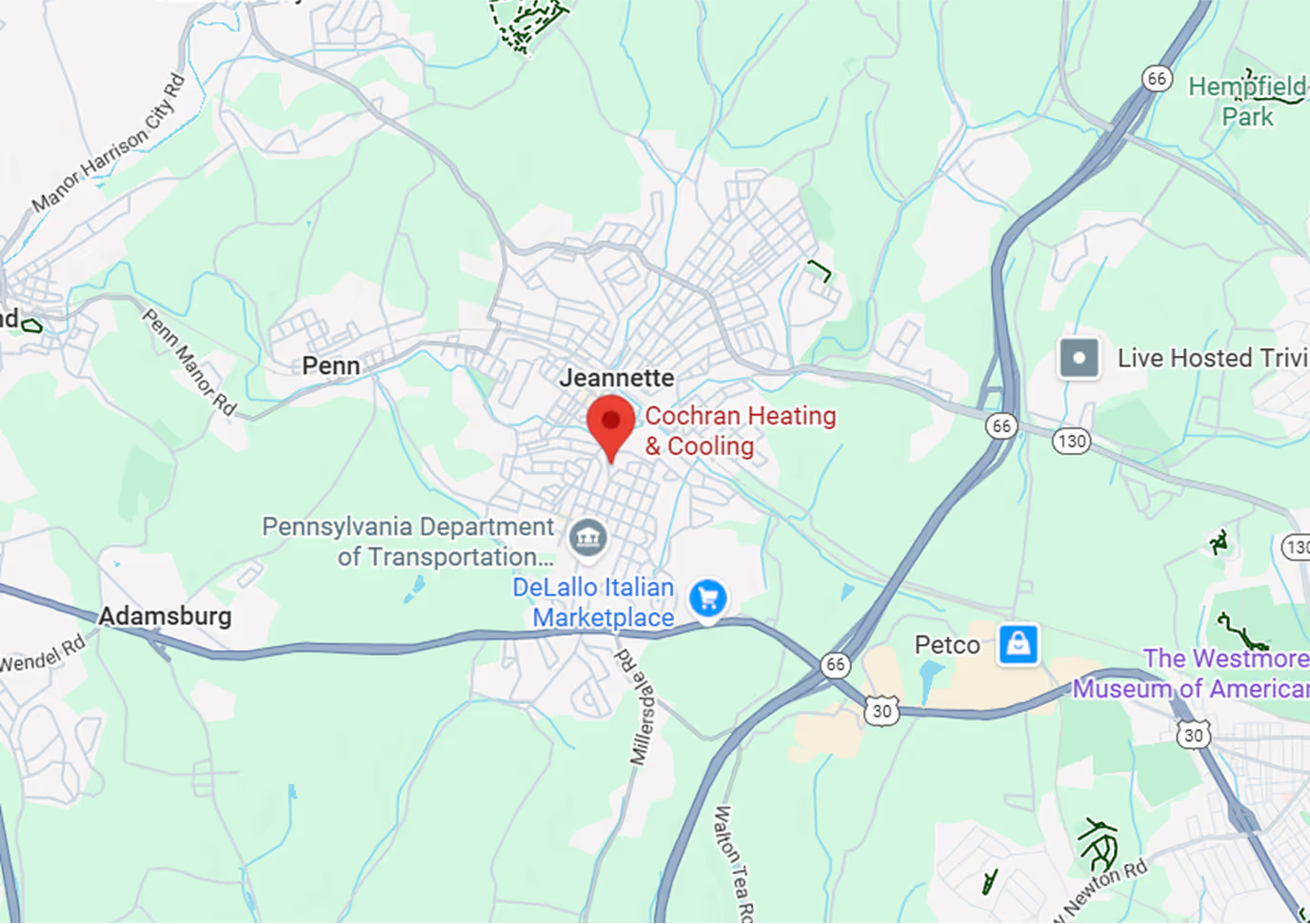
Heating Repair in Westmoreland County, PA
When winter arrives in Westmorland County, PA, a reliable heating system is essential for maintaining a safe, comfortable, and energy-efficient home. Cochran Heating & Cooling's professional heating repair services in Westmorland County cover emergency and scheduled diagnostics for furnaces, boilers, and heat pumps, tailored to the local weather and housing conditions. We prioritize transparent pricing and clear communication, ensuring you understand the repair process and associated costs. At Cochran Heating & Cooling, we're committed to providing Westmorland County residents with reliable heating solutions and exceptional customer service.
.jpeg)
Heating Repair in Westmoreland County, PA
When winter hits Westmoreland County, PA, a reliable heating system keeps your home safe, comfortable, and energy efficient. Professional heating repair in Westmoreland County, PA covers emergency and scheduled diagnostics for furnaces, boilers, and heat pumps tailored to local weather and housing conditions. This page explains common problems, how technicians diagnose and repair systems on-site, what you can expect for response times and pricing transparency, and clear guidance on when repair makes sense versus replacement.
Why timely heating repair matters in Westmoreland County, PA
Westmoreland County experiences long, cold winters with freeze-thaw cycles and heavy snowfall in some areas. Older homes in towns like Greensburg, Latrobe, and in rural townships often have aging furnaces, oil or propane boilers, or undersized heat pumps. Delaying repairs increases safety risks (carbon monoxide, gas leaks), drives up energy costs, and can lead to complete system failure on the coldest days. Prompt diagnostics and repair reduce downtime and help extend equipment life.
Common heating systems and typical issues
Technicians in Westmoreland County commonly service:
- Gas furnaces — ignition failure, noisy blowers, short cycling, pilot or ignition system problems, cracked heat exchangers.
- Oil or propane boilers — poor combustion, leak points, circulator pump failure, low pressure or air in the system.
- Heat pumps — reduced heating capacity in extreme cold, refrigerant leaks, defrost cycle faults, compressor or reversing valve issues.
- Electrical components and thermostats — failed control boards, faulty sensors, or improper thermostat programming.
Common local fault patterns include clogged filters from heavy indoor heating use, ignition and venting issues in older systems, and heat pump performance losses during extended cold spells.
Quick homeowner troubleshooting before calling
Before arranging professional service, check simple items that often resolve the issue quickly:
- Thermostat set to heat and temperature set above current room temp.
- Circuit breaker or fuse for the heating system is on.
- Air filter is clean and properly installed.
- Outdoor heat pump unit is free of snow and debris.
- Fuel supply is available for oil or propane systems.
If basic checks do not restore heat, contact a trained technician for diagnostics. Do not attempt gas, combustion, or electrical repairs yourself.
Diagnostic process and what to expect on-site
Professional heating repair typically follows these steps:
- Arrival and safety assessment: Confirm ventilation, check for gas odors, and conduct carbon monoxide screening if indicated.
- System inspection: Visual inspection of burners, heat exchanger, vents, ductwork, pumps, compressors, and electrical connections.
- Operational diagnostics: Use diagnostic tools to test ignition systems, pressures, temperatures, electrical loads, and refrigerant levels for heat pumps.
- Findings and transparent estimate: Provide a written estimate with a clear breakdown of recommended repairs, parts, labor, and warranty details.
- Repair and verification: On-site parts replacement where feasible, followed by performance and safety checks to ensure proper operation.
Technicians in the area are prepared to work on common Westmoreland County models and to advise on local code requirements for venting and combustion safety.
On-site parts replacement and safety checks
Common on-site parts replaced include:
- Igniters and flame sensors
- Thermostats and control boards
- Blower motors and belts
- Gas valves and pressure switches
- Circulator pumps and zone valves
- Capacitors, contactors, and refrigerant line components for heat pumps
Every repair should include safety checks such as carbon monoxide testing, venting and flue inspection, gas leak detection, proper thermostat calibration, and verification of combustion efficiency when applicable. Technicians typically run a final system performance check to confirm heating capacity and safe operation.
Emergency availability and expected response times
Heating emergencies are time sensitive in Westmoreland County winters. A professional heating repair service provides:
- 24/7 emergency availability for loss of heat, suspected gas leaks, or carbon monoxide alarms.
- Typical emergency response: many providers respond within 60 to 90 minutes for urgent calls in populated parts of Westmoreland County. Rural response times can vary based on distance and weather.
- Scheduled appointments: same-day or next-day service options for non-emergent diagnostics and repairs.
Expect clear communication about estimated arrival windows and any temporary safety measures if a full repair cannot be completed on the first visit.
Transparent pricing and warranty information
Transparent pricing means technicians deliver a written estimate before beginning work with a clear parts and labor breakdown. Repair options normally include:
- Diagnostic fee disclosure and whether it’s applied to repair costs.
- Itemized parts and labor pricing for required and recommended work.
- Explanation of any available warranties: manufacturer warranties for parts and a written labor or workmanship warranty from the service provider. Warranty coverage and duration vary by part type and manufacturer; these details should be explained and included in documentation.
Repair versus replacement guidance
Consider replacement when:
- The unit is near or past its expected service life (typically 12 to 18 years for furnaces and boilers, somewhat less for older heat pumps).
- Repairs are frequent or repair costs approach a substantial portion of replacement cost.
- The system has a cracked heat exchanger, major combustion failures, or repeated compressor failures.
- Upgrading offers significant energy efficiency gains or resolves chronic comfort problems.
Repair is usually appropriate when a single component has failed, the unit is relatively new, or the repair restores safe, efficient operation with a reasonable expected remaining life.
Maintenance to reduce emergency repairs
Regular preventative maintenance is the most cost-effective way to reduce emergency calls:
- Replace air filters every 1 to 3 months during heavy use.
- Annual professional tune-ups for combustion systems and heat pumps before the heating season.
- Keep outdoor units clear of snow and debris.
- Have carbon monoxide detectors on every level and test them regularly.
Regular maintenance improves efficiency, lowers heating bills, and reduces the chance of mid-winter breakdowns common in Westmoreland County.
Q: How quickly can I expect a technician for a heating emergency in Westmoreland County, PA?
A: Emergency response often occurs within 60 to 90 minutes in most populated areas, though rural response times can be longer depending on distance and weather conditions.
Q: Should I repair or replace my furnace if it is 15 years old?
A: Consider replacement if repairs are frequent, repair cost is high relative to replacement, or the system has safety concerns. If it has had minimal issues and passes a full safety and efficiency inspection, a repair may be reasonable.
Q: What safety checks are performed during a heating repair visit?
A: Technicians typically perform carbon monoxide testing, gas leak checks, vent and flue inspections, combustion efficiency tests where applicable, and verify electrical connections and thermostat operation.
Q: Can heat pumps handle Westmoreland County winters?
A: Modern heat pumps can work effectively in colder climates, though their efficiency drops at very low temperatures. Many homes use hybrid systems or backup heat sources; repair technicians will advise based on your specific system and local weather patterns.
Q: Will I get a written estimate and warranty information before repairs?
A: A transparent repair service provides a written estimate outlining parts and labor and explains manufacturer and labor warranties before work begins.
Q: What simple checks can I do before calling for repair?
A: Check your thermostat settings, circuit breakers, air filter condition, outdoor unit clearance, and fuel supply for oil or propane systems. If these are in order and the system still fails, schedule a professional diagnostic.