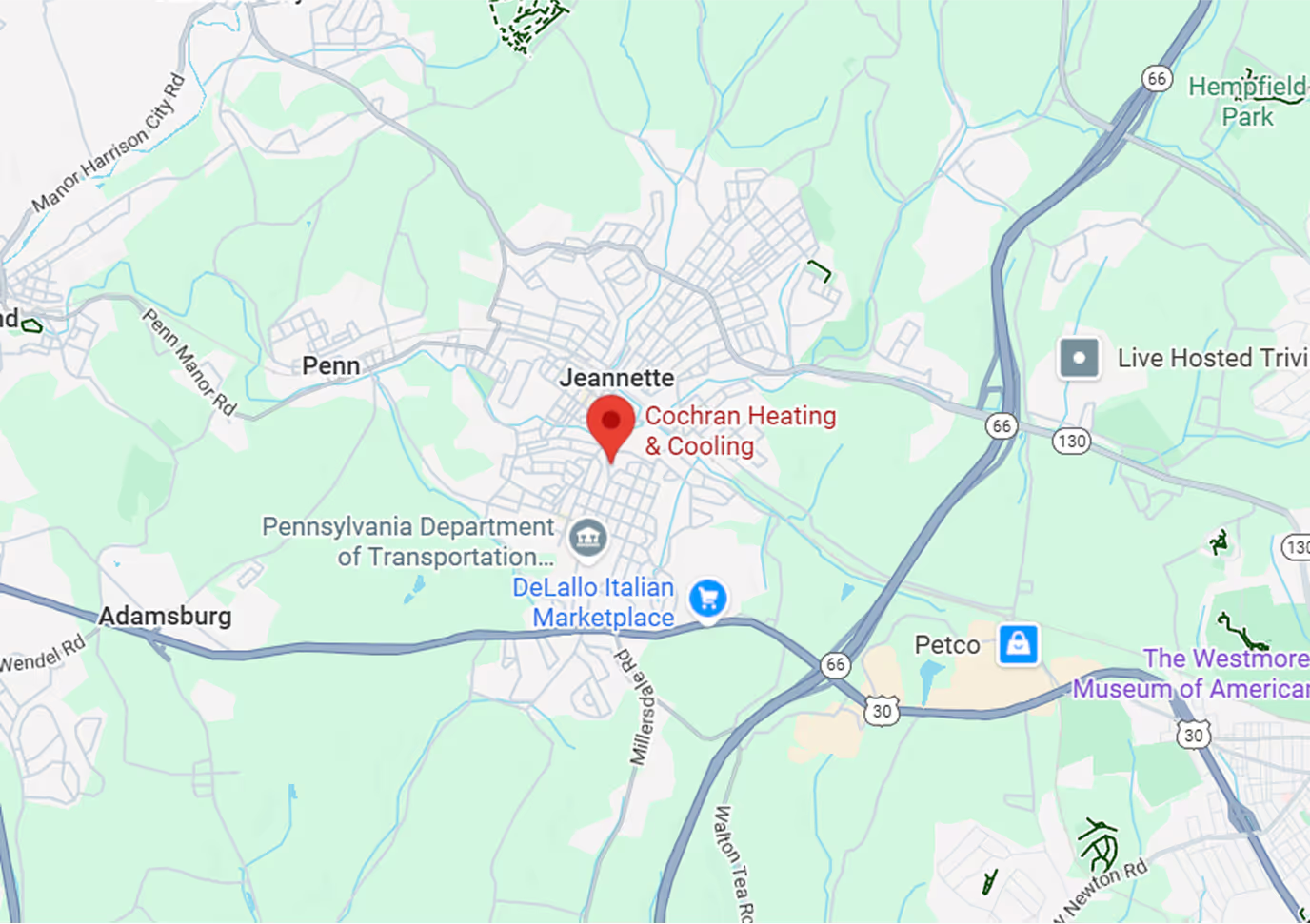
HVAC Installation in Mt. Pleasant, PA
An effective HVAC installation protects your comfort, indoor air quality, and energy bills for years to come. In Mt. Pleasant, PA, where winters are cold and summers can be humid, choosing the right system and having it installed correctly is especially important. Cochran Heating & Cooling brings full-service HVAC installation to Mt. Pleasant homeowners and businesses, providing careful load calculations, equipment selection, professional installation, permitting and code compliance, financing and rebate guidance, and thorough post-installation testing and warranty registration. We're here to explain exactly what to expect during a full HVAC installation so you can make an informed decision with confidence.
.jpeg)
HVAC Installation in Mt. Pleasant, PA
An effective HVAC installation protects comfort, indoor air quality, and energy bills for years. In Mt. Pleasant, PA, where winters are cold and summers can be humid, choosing the right system and having it installed correctly is especially important. Cochran Heating & Cooling brings full-service HVAC installation to Mt. Pleasant homeowners and businesses, providing careful load calculations, equipment selection, professional installation, permitting and code compliance, financing and rebate guidance, and thorough post-installation testing and warranty registration. This page explains exactly what to expect during a full HVAC installation so you can make an informed decision with confidence.
Why proper HVAC installation matters in Mt. Pleasant, PA
Mt. Pleasant experiences wide seasonal swings: subfreezing winter temperatures and periods of humid summer weather. Those conditions make accurate sizing and system selection critical. An undersized system will struggle to maintain comfort during cold snaps or heat waves. An oversized system will short-cycle, increasing wear, reducing dehumidification in summer, and lowering efficiency. Many homes in the area are older and may have varied insulation levels, mixed ductwork conditions, or unique layouts that require customized solutions.
Cochran Heating & Cooling’s approach factors in local climate, typical Mt. Pleasant building construction, and common household usage patterns so the installed system matches the real needs of your home or business.
Types of HVAC installation projects we handle
- New system installations: replacing an existing furnace, air conditioner, or heat pump with a modern, energy-efficient unit.
- Full system changeouts: replacing both heating and cooling equipment and updating controls or thermostats.
- Ductless mini split installations: ideal for additions, garages, or homes without ductwork that need zone control.
- Heat pump installations and conversions: including cold-climate heat pump options for efficient year-round comfort.
- Ductwork replacement and sealing: necessary when ducts are undersized, disconnected, or leaking.
- Hybrid systems and zoning: combining gas furnaces with heat pumps or adding zoning dampers for multi-zone comfort control.
The consultation and load-calculation process
A professional HVAC installation starts with an on-site consultation and an accurate load calculation. Cochran Heating & Cooling conducts the following:
- On-site assessment: We inspect the structure, orientation, insulation levels, window types, existing ductwork, attic and crawlspace conditions, and any recent improvements that affect heating or cooling load.
- Occupancy and usage analysis: How many occupants, typical thermostat settings, schedule, and special comfort needs are documented to reflect realistic usage.
- Manual J load calculation: We use industry-standard Manual J methods to calculate the heating and cooling load. This calculates the exact heat loss and heat gain for your home rather than relying on rule-of-thumb sizing.
- Ductwork evaluation: If you have ducts, we perform Manual D planning as needed to size ducts and take measurements for airflow balancing. Leaks, poor insulation, or undersized ducts are flagged for repair or replacement.
- Ventilation and indoor air quality needs: We consider fresh air requirements and whether filtration, UV, or whole-house ventilation solutions are needed.
Why this matters: Accurate load calculation prevents oversizing and undersizing, ensures balanced airflow, improves humidity control, and extends equipment life. In Mt. Pleasant homes with mixed insulation and historic construction, this step prevents costly mismatches.
Equipment selection: what to consider
Cochran Heating & Cooling helps you evaluate equipment across several categories, focusing on long-term performance, energy efficiency, reliability, and suitability for local conditions.
- High-efficiency furnaces: Look at AFUE ratings and modulating or variable-speed blower options. In colder Mt. Pleasant winters, a high AFUE furnace maintains comfort and reduces fuel usage.
- Air conditioners and heat pumps: Check SEER and HSPF ratings for cooling and heating efficiency. Cold-climate heat pumps are increasingly viable in Pennsylvania and can deliver efficient heating through much of the season when paired with proper sizing.
- Ductless mini splits: Excellent for additions, sunrooms, or homes without ducts. They provide zone control and efficient cooling and heating without invasive ductwork.
- Variable-speed and multi-stage systems: These maintain more consistent temperatures and better humidity control than single-stage equipment.
- Matched systems: Choosing matched outdoor and indoor components ensures proper refrigerant charge ranges and optimizes warranty coverage.
- Indoor air quality components: Consider upgraded filtration, media filters, humidification for dry winters, or dehumidification support for muggy summer months.
Cochran Heating & Cooling evaluates manufacturer reliability, local serviceability, and warranty coverage when recommending brands and models that fit your budget and performance goals.
Professional installation steps
A professional installation follows a documented process to ensure code compliance, safety, and optimal performance. Typical steps include:
- Pre-installation preparation: Confirm permits, delivery logistics, and site preparation. Create a plan for protecting floors, furniture, and landscaping.
- Equipment delivery and staging: New units and parts are inspected on arrival for factory defects before starting work.
- Removal of existing equipment: Old equipment is safely disconnected, removed, and disposed of per local regulations. Combustion appliances are handled with special safety protocols.
- Ductwork and mounting: New ducts are sized, sealed, insulated, and installed as needed. If a new outdoor condenser or heat pump is installed, a code-compliant pad or platform is prepared.
- Fuel and refrigerant connections: Gas piping, electrical connections, and refrigerant lines are installed and tested by licensed technicians.
- Combustion appliances: For gas furnaces, combustion product venting and safety controls are verified and tested.
- Controls and thermostat installation: Smart or programmable thermostats are wired and configured for correct staging and setpoint management.
- Start-up procedures and testing: The system is commissioned with refrigerant charge verification, airflow measurement, temperature split testing, safety control checks, and thermostat calibration.
- Clean-up and homeowner orientation: The site is cleaned, and technicians walk through system operation and maintenance recommendations with the homeowner.
Each installation step is documented and recorded for warranty registration and future service reference. Cochran Heating & Cooling technicians follow manufacturer specifications and industry best practices to protect performance and longevity.
Permits and code compliance in Mt. Pleasant
HVAC installations in Mt. Pleasant require adherence to local building codes and permit processes. Cochran Heating & Cooling handles:
- Permit application and submission: We identify required permits and submit documentation to Mt. Pleasant and Westmoreland County authorities.
- Inspection coordination: We schedule and attend required inspections for gas lines, electrical connections, mechanical work, and final operation.
- Code compliance: Installations meet applicable safety and efficiency standards, including ventilation, combustion air, and refrigerant handling rules.
- Documentation: We provide the homeowner with permit copies, inspection approvals, and equipment documentation for records and resale.
Meeting permit and code requirements protects homeowners from liability, ensures safe operation, and preserves warranty coverage.
Financing, rebates, and incentives
Energy-efficient HVAC equipment often qualifies for incentives that reduce the upfront cost. Cochran Heating & Cooling will review options available to Mt. Pleasant residents, including:
- Utility rebates: Local utilities sometimes offer rebates for high-efficiency furnaces, air conditioners, and heat pumps. Eligibility depends on model efficiency and program requirements.
- Manufacturer rebates: Selected equipment manufacturers periodically offer rebates or promotional incentives.
- State and federal incentives: Certain high-efficiency systems may qualify for broader incentives or tax credits. Documentation and certification may be required.
- Financing options: For clients who prefer monthly payments, financing programs through third-party lenders or manufacturer programs may be available.
Cochran Heating & Cooling can help you identify likely incentives and provide the necessary product and installation documentation to support rebate or tax credit applications. Note that availability and qualification criteria change, so we document everything required for your submission.
Warranty, post-installation testing, and registration
A quality HVAC installation is backed by dependable warranty protection and thorough testing.
- Manufacturer warranties: New equipment comes with manufacturer warranties that cover parts and sometimes compressors for specific terms. Warranty coverage may vary by model and manufacturer.
- Installation warranty: Cochran Heating & Cooling documents workmanship guarantees that cover installation-related issues for a defined period.
- Post-installation testing and commissioning: We complete a full commissioning check that includes:
- Refrigerant charge verification and leak checks
- Airflow measurements and duct balancing
- Combustion safety tests for gas appliances
- Electrical safety checks and grounding verification
- Thermostat calibration and control verification
- Noise and vibration checks
- System documentation and registration: We register warranties with manufacturers when required and provide a packet with equipment specs, maintenance recommendations, and service intervals.
These steps protect your investment and ensure the system performs as designed from day one.
What you can expect during installation: responsibilities and practical tips
Preparing your home for installation helps the project proceed smoothly.
- Access and site readiness: Provide clear access to the work areas, including attic hatches, basements, crawlspaces, and the outdoor placement area. Park vehicle access for equipment delivery.
- Utility availability: Ensure gas and electrical service are active and available for tie-in. If you have a dedicated panel or meter issues, notify us early.
- Pets and children: Secure pets and keep children away from the work area for safety. Technicians will maintain a safe workspace but minimizing distractions speeds the job.
- Move delicate items: Remove fragile items or cover furniture in work zones. Cochran Heating & Cooling will protect flooring and belongings where practical.
- Anticipate timeframes: A standard furnace or air conditioner changeout can take a day or more depending on complexity. Full system replacements, ductwork changes, or conversions may require multiple days.
- Noise and disruption: Expect noise from tools, cutting, and lifting during the workday. We minimize disruption and clean work areas daily.
- Temporary conditions: During changeouts, some heating or cooling downtime may occur. Schedule installation on a day when temporary loss of service is acceptable.
- Payment and documentation: While this page omits details about payments, you should be prepared to review warranty documents and sign any permit-required forms.
Clear communication and reasonable access allow work to proceed on schedule and reduce unexpected delays.
Special considerations for Mt. Pleasant homes
- Older and historic homes: Many Mt. Pleasant houses are older and may need duct sealing, insulation upgrades, or special venting arrangements. We document recommended improvements that increase efficiency and comfort.
- Cold-weather performance: For heat pumps or hybrid systems, consider cold-climate options with enhanced low-temperature performance. Proper sizing and backup heat integration ensure dependable warmth during extended cold spells.
- Humidity control: In humid summer periods, a properly sized system and variable-speed components improve dehumidification. We may recommend supplemental dehumidification in some designs.
- Attic and crawlspace conditions: Poorly insulated attics or damp crawlspaces affect load calculations. We account for these conditions during the consultation and recommend improvements where cost-effective.
Energy efficiency, operating costs, and lifecycle planning
A new HVAC installation affects energy use and lifecycle costs. Cochran Heating & Cooling helps you understand tradeoffs:
- Efficiency metrics to compare: AFUE for furnaces, SEER for cooling, HSPF for heat pumps, and ENERGY STAR ratings are standard metrics for comparing equipment.
- Expected lifespan: Furnaces and air conditioners typically last 15 to 20 years with proper maintenance. Heat pumps may last 10 to 20 years depending on usage and climate. Component warranties and maintenance history influence longevity.
- Operating costs: Higher-efficiency equipment often costs more upfront but reduces monthly utility bills. Load-accurate sizing prevents wasted energy from short-cycling and improves comfort.
- Maintenance planning: Regular maintenance, including annual tune-ups, filter changes, and periodic coil cleaning, preserves efficiency and extends equipment life.
Cochran Heating & Cooling provides realistic estimates of expected savings and discusses maintenance plans so you can budget for long-term comfort.
Common installation challenges and how we address them
- Inaccessible equipment locations: Tight spaces or confined mechanical rooms require careful planning and specialized tools. We design installations to fit the home without compromising serviceability.
- Duct retrofit needs: Older ducts may be undersized, collapsed, or leaky. We recommend duct sealing, insulation, or replacement and show expected comfort and efficiency gains.
- Matching new equipment to old controls: When replacing equipment, older thermostats or control systems may not fully integrate. We recommend and configure compatible controls for optimal performance.
- Fuel conversions and backup systems: Switching fuel types or integrating backup heating requires permits and safety checks. We plan these conversions to meet applicable standards.
- Weather-related scheduling: In Mt. Pleasant, extreme weather can occasionally affect materials delivery or outdoor work. We plan installations with seasonal impacts in mind and communicate scheduling windows.
Post-installation care and homeowner orientation
After installation, Cochran Heating & Cooling ensures you are comfortable with system operation and maintenance expectations:
- Orientation walkthrough: We demonstrate thermostat programming, seasonal operation tips, and emergency shutoff procedures.
- Maintenance checklist: You will receive a recommended maintenance schedule including filter replacement frequency, annual inspections, and seasonal checks.
- Troubleshooting guidance: Learn common signs to watch for such as unusual noises, reduced airflow, or thermostat irregularities that may indicate service needs.
- Service documentation: Equipment serial numbers, model numbers, warranty information, and permit documentation are provided for your records.
This ensures you can maintain peak performance and know when to schedule professional service.
Long-term benefits of a professional HVAC installation
- Greater comfort stability and humidity control throughout the year.
- Lower operating costs from properly sized and efficient equipment.
- Reduced breakdowns and longer equipment life with correct installation and commissioning.
- Proper permits and inspections that protect home value and safety.
- Improved indoor air quality with appropriate filtration and ventilation design.
Cochran Heating & Cooling emphasizes careful planning, precise execution, and thorough documentation so your Mt. Pleasant home receives a system tailored to local conditions and your lifestyle.
Frequently Asked Questions
Q: How long will a typical HVAC installation take?A: A straightforward changeout of a furnace or air conditioner often takes one day, while full system replacements, ductwork upgrades, or installations requiring structural modifications can take multiple days. The initial consultation and site inspection define a more accurate timeline for your specific project.
Q: Will installing a new system require a building permit in Mt. Pleasant?A: Yes, HVAC changes commonly require permits and inspections. Cochran Heating & Cooling identifies required permits, submits applications, and coordinates inspections to ensure code compliance and safety.
Q: How is the right system size determined?A: We perform a Manual J load calculation that measures heat loss and gain based on your home characteristics, insulation, windows, and occupancy patterns. This calculation determines the precise heating and cooling capacity needed for reliable performance.
Q: What maintenance is required after installation?A: Routine maintenance includes seasonal tune-ups, filter changes, checking refrigerant levels, cleaning coils, verifying airflow, and testing safety controls. Annual professional inspections are recommended to keep warranties valid and systems efficient.
Q: Are there rebates or incentives for energy-efficient systems?A: There are often federal, state, and utility incentives for high-efficiency equipment, as well as occasional manufacturer rebates. Cochran Heating & Cooling reviews likely programs and provides the documentation needed to apply. Eligibility and availability change over time.
Q: How do you test and commission the system?A: Commissioning includes refrigerant charge verification, airflow and temperature split measurements, combustion safety testing for gas appliances, electrical safety checks, thermostat calibration, and noise and vibration inspections. We document results and register warranties as required.
Q: What should I do to prepare my home before technicians arrive?A: Provide clear access to the work area, secure pets, move fragile items, ensure utilities are active, and plan for temporary disruption of heating or cooling. Cochran Heating & Cooling will communicate any special preparations needed for your installation.
Q: Will a new system reduce my energy bills immediately?A: A properly sized, high-efficiency system typically lowers energy use, but actual savings depend on usage habits, thermostat settings, insulation levels, and system controls. Accurate sizing and proper commissioning help maximize savings.
Q: What options exist for homes without ductwork?A: Ductless mini splits, packaged systems, or the addition of ductwork with careful planning are common solutions. Ductless systems provide zone control and efficient heating and cooling for spaces without ducts.
Q: How long should I expect a new HVAC system to last?A: Lifespan depends on equipment type, usage, maintenance, and climate. Furnaces and central AC systems often last 15 to 20 years with proper care. Heat pumps vary but can also provide 10 to 20 years of service with regular maintenance.