

Water Heaters Installation in Delmont, PA
A reliable hot water system is essential for daily life in Delmont, PA. Whether you're replacing an old tank or upgrading to a high-efficiency tankless or hybrid model, professional water heater installation ensures safe operation, code compliance, and optimal performance tailored to local conditions. Cochran HVAC understands that cold winters, seasonal temperature swings, and local water quality all influence system choice and installation details. Our thorough and experienced approach minimizes surprises and extends the life of your equipment, providing you with peace of mind and reliable hot water for years to come.
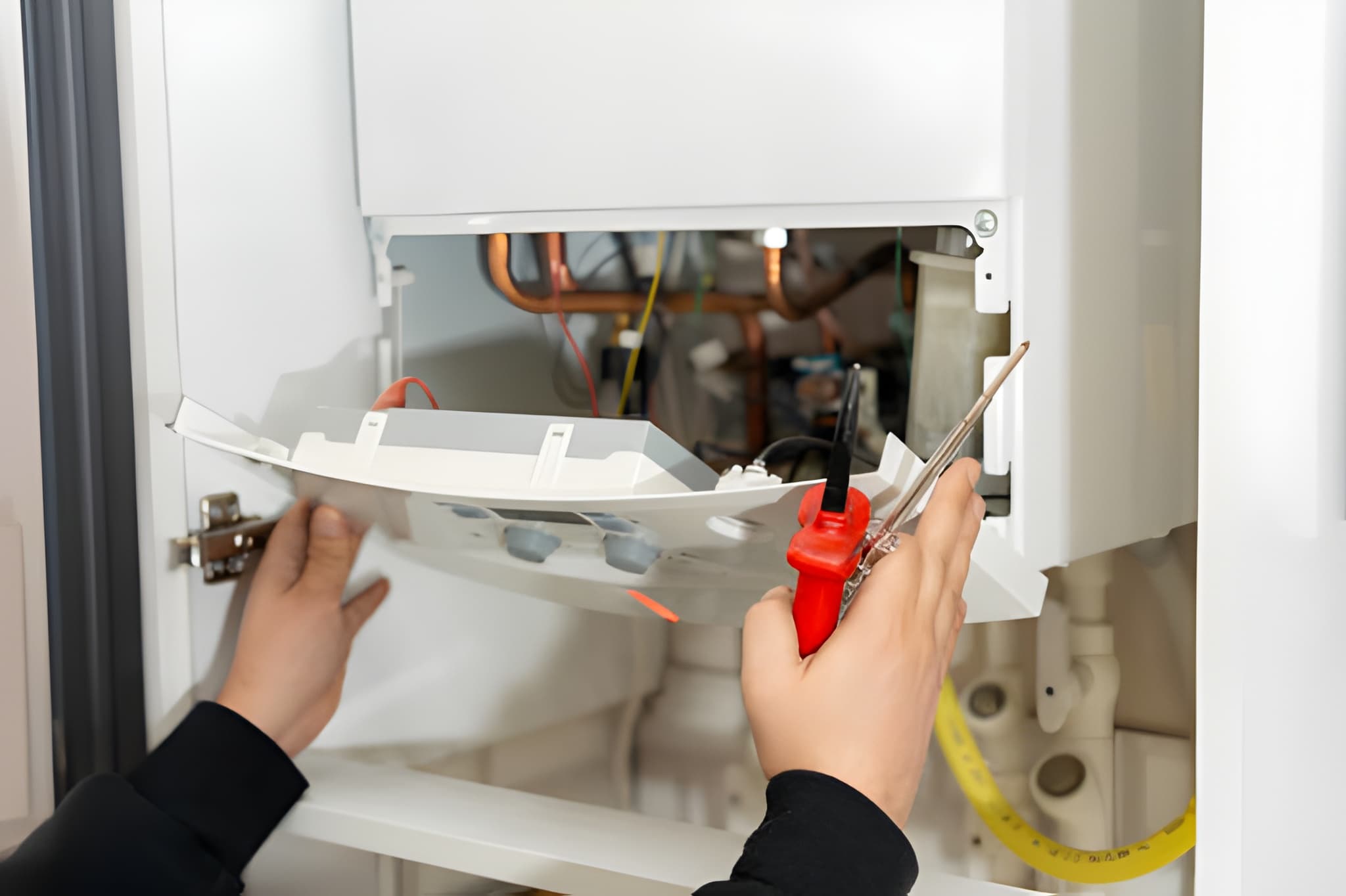
Water Heaters Installation in Delmont, PA
A reliable hot water system is essential for comfort and daily routines in Delmont, PA. Whether you are replacing an aging tank or upgrading to a high-efficiency tankless or hybrid model, professional water heaters installation in Delmont, PA ensures safe operation, code compliance, and optimal performance tailored to local conditions. Cold winters, seasonal temperature swings, and local water quality influence system choice and installation details, so a thorough, experienced approach reduces surprises and extends equipment life.
Why timely, professional installation matters in Delmont homes
Delmont experiences freezing temperatures that increase hot water demand and risk of freeze-related issues. Improper sizing or poor venting leads to slow recovery, higher energy bills, or premature failure. Professional installation minimizes those risks by matching equipment capacity and efficiency to your household patterns and local climate, and by following Westmoreland County permitting and inspection requirements.
Common water heater types and common installation issues
- Tank water heaters: Simple and lower initial cost, but larger footprint and standby heat loss can raise operating costs. Common installation issues include inadequate venting, wrong-sized units, and poor relief valve connections.
- Tankless (on-demand) systems: High efficiency and endless hot water in many uses, but require correct gas line sizing or electrical capacity and careful flow rate planning. Improper sizing or installation can cause temperature swings or reduced lifespan.
- Hybrid heat pump water heaters: Very efficient in moderate spaces, offering substantial energy savings. They require sufficient installation space and may need different electrical arrangements.
- Typical local problems in Delmont homes: mineral buildup from hard water, freeze damage in uninsulated areas, undersized systems for families with high simultaneous demand, and venting issues in older homes.
Pre-installation assessment: what a professional will evaluate
A complete pre-installation assessment in Delmont covers household hot water needs, existing plumbing and venting, electrical or gas infrastructure, and water quality. Technicians measure expected peak flow and recovery requirements by reviewing fixtures and usage patterns. They inspect installation space for clearance, drainage, and freeze risk, and evaluate whether upgrades are needed to gas lines, electrical panels, or exhaust vents. This assessment sets the foundation for safe, efficient installation and accurate permit submissions.
Choosing the right system: capacity and energy-efficiency considerations
- Capacity and flow rate: For tank systems, size is dictated by first hour rating. For tankless systems, select a unit based on required flow rate and inlet temperature, accounting for colder winter groundwater in Delmont which reduces incoming water temperature. Hybrid units require space and ambient conditions for optimal operation.
- Energy efficiency: Compare Uniform Energy Factor (UEF) ratings and projected annual energy use. Higher efficiency reduces long-term operating costs, especially important with extended cold seasons. Consider models with ENERGY STAR certification or high-efficiency ratings to maximize savings.
- Water quality adaptations: Hard water common in parts of Pennsylvania can accelerate scale buildup, particularly in tankless units. If mineral content is high, plan for water softening or scale reduction measures to protect efficiency and longevity.
Professional installation procedures and safety checks
A professional installation follows a clear sequence to ensure safety and performance:
- Removal and safe disposal of the old unit following environmental guidelines.
- Proper placement and secure mounting, maintaining required clearances for combustion and service access.
- Correct gas piping or electrical connection sized to manufacturer specifications, with verification of pressure or amperage.
- Venting and combustion air configuration, including sealed combustion or direct vent options where applicable.
- Installation and testing of temperature and pressure relief valve, expansion tank if needed, and proper drain routing.
- Leak checks, combustion analysis for gas-fired units, and verification of electrical safety devices and breakers.Technicians also verify adaptive features like freeze protection, condensing vent piping, and manufacturer-recommended clearances.
Permits and code compliance for Delmont installations
Water heaters installation in Delmont, PA must comply with local building and plumbing codes enforced by Westmoreland County and any Delmont borough regulations. Permits are usually required for gas, electrical, or significant plumbing modifications and inspections confirm proper venting, combustion safety, and drainage. A qualified installer will submit permit applications, coordinate inspections, and ensure the installation meets applicable code standards.
Post-installation testing and user orientation
After installation, comprehensive testing confirms the unit is operating safely and efficiently. Tests include leak checks, temperature verification, pressure relief operation, and for gas units, combustion and venting performance. Installers should walk homeowners through thermostat settings, maintenance tasks like annual flushing or anode rod inspection, and simple troubleshooting steps. Orientation includes how to safely turn off power or gas in an emergency and best practices to prolong equipment life.
Financing options and rebates
Many homeowners can take advantage of financing options or incentives for high-efficiency water heaters. State, federal, or utility rebates and tax credits are periodically available for qualifying energy-efficient models. Financing plans and manufacturer or utility incentive programs can make higher-efficiency systems more affordable. Discuss eligibility and documentation needs with your installer during the planning phase to capture available savings.
Long-term benefits and maintenance recommendations
A correctly installed water heater improves comfort, reduces energy costs, and lowers the chance of disruptive failures. To protect your investment in Delmont’s climate:
- Flush tanks annually to remove sediment and maintain recovery efficiency.
- Replace anode rods as recommended to prevent tank corrosion.
- Service tankless units for scale removal at manufacturer intervals, especially where water is hard.
- Monitor pressure relief valves and expansion tanks for consistent operation.Routine maintenance and seasonal checks reduce repair needs and extend service life.
