Water Heaters Replacement in Delmont, PA
Replacing a water heater is a common home upgrade in Delmont, PA, particularly given the region's cold winters and extended heating seasons. Whether your current unit is inefficient, failing repeatedly, or simply nearing the end of its lifespan, a planned replacement can restore reliable hot water, improve energy efficiency, and reduce the need for emergency repairs. Cochran HVAC can help you determine when replacement is the right option, compare tank and tankless alternatives, outline sizing considerations and the replacement process, and explain warranties, financing options, expected timelines, and local factors that may affect Delmont homes.
Water Heaters Replacement in Delmont, PA
Replacing a water heater is one of the most common home upgrades in Delmont, PA, especially given the region's cold winters and long heating seasons. Whether your current unit is inefficient, failing repeatedly, or simply past its service life, a planned replacement can restore reliable hot water, improve energy efficiency, and reduce emergency repairs. This page explains when replacement is appropriate, compares tank and tankless options, outlines sizing and the replacement process, and covers warranties, financing considerations, expected timelines, and local factors that affect Delmont homes.
Common signs it is time to replace your water heater
Recognizing the signs early avoids cold showers and potential water damage. Replace a water heater if you notice:
- Age: Most traditional tank water heaters last 8 to 12 years; tankless units often last longer but can still reach end of useful life.
- Reduced efficiency: Rising energy bills or longer wait times for hot water are common signs of declining performance.
- Repeated failures or repairs: Frequent pilot, heating element, or valve problems indicate replacement is more cost-effective than continual fixes.
- Rusty or discolored water: Internal corrosion can compromise the tank and water safety.
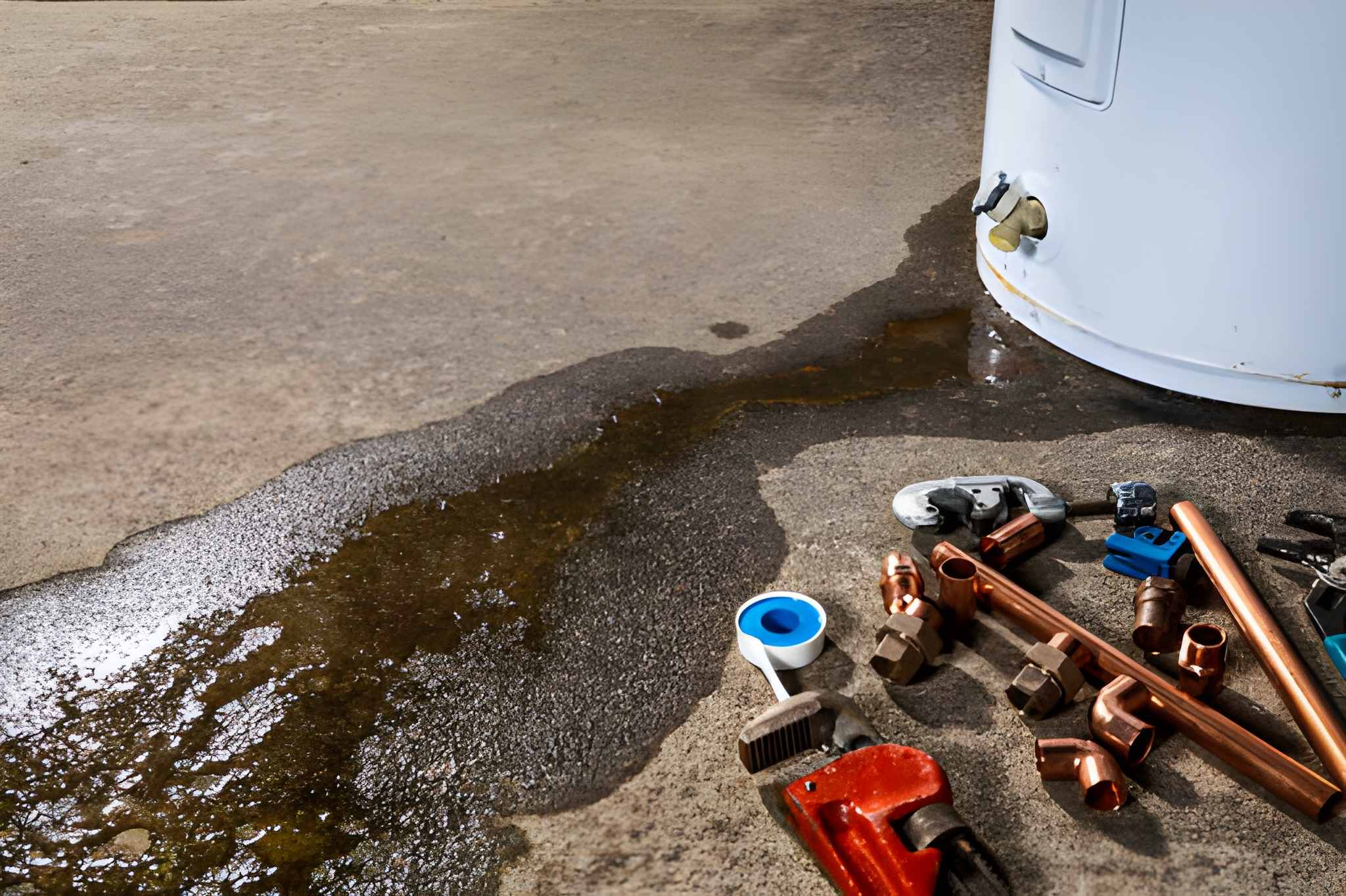
- Leaks: Any tank leak is a serious failure and generally requires replacement, not repair.
Tank vs tankless water heaters — choosing what fits Delmont homes
Understanding differences helps match system type to your household needs and local conditions.
- Tank water heaters
- Store a set volume of hot water (gallon capacity).
- Lower initial cost and simpler installation in many homes.
- More standby heat loss in cold climates like Delmont, which can affect operating efficiency.
- Good option for households with predictable, simultaneous hot water demands.
- Tankless water heaters
- Provide on-demand hot water and reduce standby losses.
- Smaller footprint and often longer service life.
- Higher upfront equipment and potential retrofit costs if gas lines or venting need upgrades.
- Ideal where space, continuous hot water, or efficiency are priorities.
Energy-efficiency comparison
Energy performance affects both operating cost and environmental impact.
- Efficiency measures: Look for UEF or Energy Factor ratings to compare models. Higher numbers indicate better conversion of energy into hot water.
- In Delmont’s cold months, tankless units can save energy for households with moderate to high hot water usage, but installation and fuel type matter.
- Insulating hot water pipes, setting appropriate thermostat temperatures, and selecting a properly sized unit help maximize efficiency regardless of system type.
Sizing and capacity guidance for Delmont households
Correct sizing prevents shortages and inefficiency.
- Tank units: Common household sizes range from 30 to 80 gallons. Smaller homes and apartments often use 30-40 gallons; families of four or more typically need 50 gallons or more, depending on shower and appliance usage.
- Tankless units: Size by flow rate (gallons per minute). Add up simultaneous demands (for example, shower 2.5 GPM + dishwasher 1.5 GPM) to choose a unit with sufficient GPM at the incoming groundwater temperature common in Delmont.
- Cold groundwater in Pennsylvania reduces a heater’s effective output. Account for typical incoming water temperature when sizing tankless systems to ensure adequate recovery or flow rate during winter.
The replacement process — from removal to ready hot water
A professional replacement follows a clear, safe sequence:
- Remove old equipment, drain the tank, and disconnect utilities safely.
- Inspect and, if necessary, update plumbing, gas supply lines, electrical service, and venting to meet current codes.
- Install the new unit, including any required condensate drains, expansion tanks, or pressure relief plumbing.
- Perform startup, calibrate temperature settings, and test for leaks and proper operation.
- Dispose of the old unit in compliance with local regulations and recycling options.
Delmont and Westmoreland County may have specific permit and inspection requirements. Permit acquisition and final inspection are typically part of the professional replacement scope.
Disposal, warranties, and financing
- Disposal and recycling: Old tanks may contain residual hazardous materials and are usually handled through municipal waste or recycling programs. Proper disposal is part of responsible replacement.
- Warranties: Manufacturer warranties commonly cover specific components (tank, heat exchanger, or parts) for defined periods. Extended warranties or labor guarantees from the installer protect you from early failures. Compare what each warranty actually covers.
- Financing: Many homeowners use financing or payment plans for higher-cost upgrades like tankless systems. Financing terms, eligibility, and options vary; evaluate total long-term savings versus upfront costs when considering financing.
Expected timelines and cost factors
- Timelines: A straightforward like-for-like tank replacement is often completed in a single day. Tankless replacements or jobs requiring gas line, venting, or electrical upgrades can take one to two days, plus time for permits and inspections if required.
- What affects cost and timeline:
- Unit type and capacity.
- Need for gas line upgrades, electrical service changes, or venting modifications.
- Accessibility of the installation location and any necessary plumbing work.
- Local permitting and inspection timelines.
Maintenance and extending lifespan
Regular care prolongs service life and improves performance:
- Flush tank units annually to reduce sediment buildup.
- Inspect and replace sacrificial anode rods as recommended.
- For tankless units, periodic descaling is crucial in hard-water conditions to maintain heat exchanger efficiency.
- Keep vents and combustion air areas clear and follow manufacturer maintenance schedules.
Why timely replacement matters in Delmont, PA
Delmont experiences seasonal temperature swings that increase demand on water heating systems. Older or inefficient heaters cost more to run and are more likely to fail during peak heating periods. Replacing an aging water heater proactively improves winter comfort, reduces risk of water damage from leaks, and can lower monthly operating costs when paired with an appropriately sized, efficient unit.
Q: How do I know whether to repair or replace my water heater?A: If the unit is older than its expected service life, has recurring failures, shows corrosion, or leaks, replacement is usually more cost-effective. For isolated component failures on newer units, repair may be appropriate.
Q: Will a tankless system work with Delmont’s cold groundwater?A: Yes, but you must size the unit based on winter incoming water temperature and your peak simultaneous flow demands. Undersized units will struggle in cold conditions.
Q: Are permits required in Delmont for water heater replacement?A: Local permitting and inspection are commonly required. A professional installer typically handles permits and ensures the installation meets current codes.
Q: What routine maintenance does a new water heater need?A: Tank units should be flushed annually and have the anode checked periodically. Tankless units need periodic descaling and filter checks, especially in hard-water areas.
Q: What should I expect during installation day?A: Expect the old unit to be drained and removed, utility lines inspected and modified if needed, the new unit mounted and connected, startup testing, and cleanup. Installation time varies from a few hours to a couple of days depending on complexity.