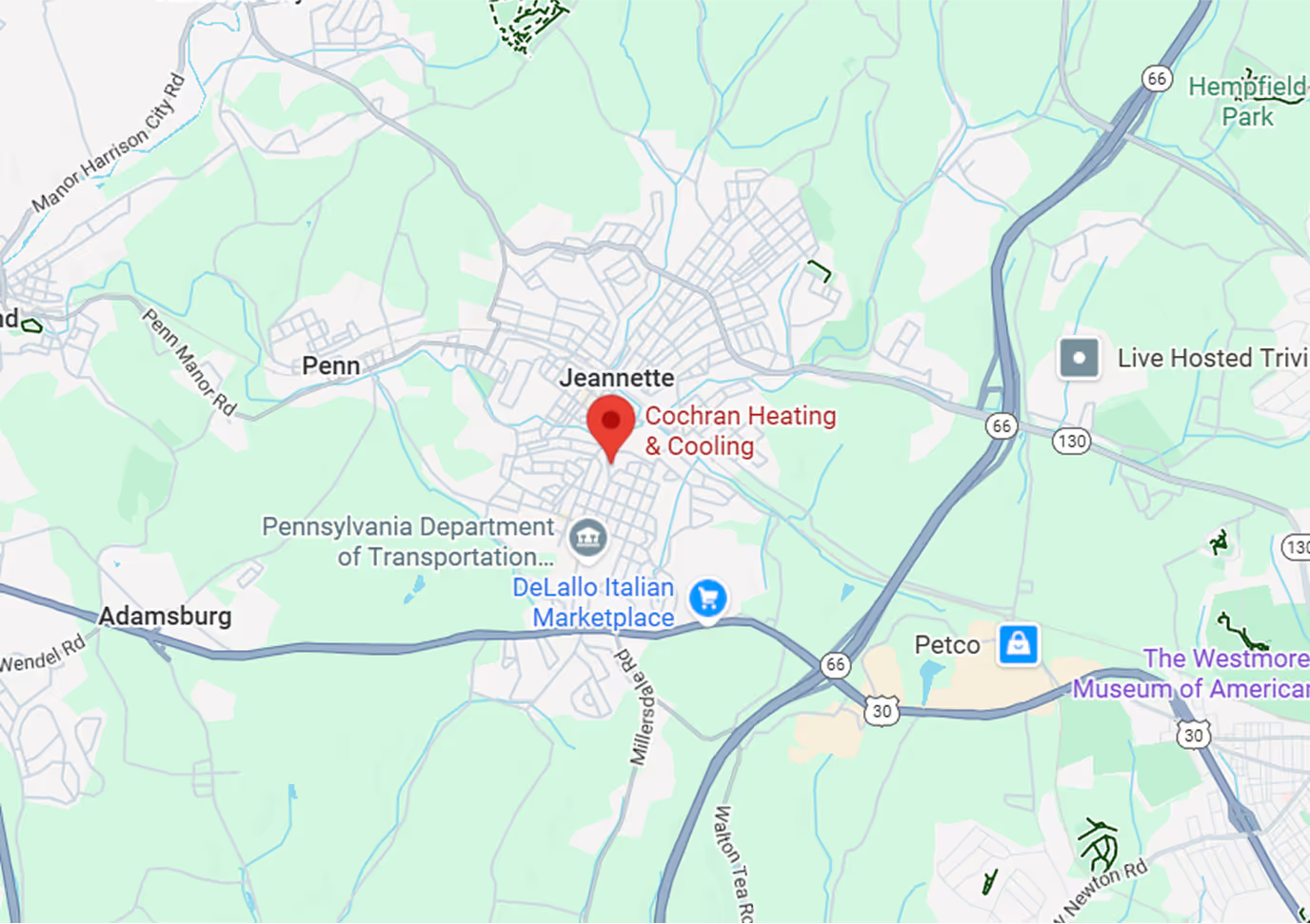
Water Heaters Installation in Greensburg, PA
Replacing or installing a water heater is a critical home improvement that directly affects your comfort, safety, and monthly energy bills. In Greensburg, PA, where cold winters increase the need for reliable hot water and seasonal temperature swings can strain your system, a professionally executed water heater installation is essential for dependable performance year-round. Cochran HVAC provides comprehensive, code-compliant installation services specifically tailored to Greensburg homes. We focus on accurate sizing, selecting energy-efficient models, ensuring safety compliance, and planning for long-term maintenance to keep your hot water flowing.
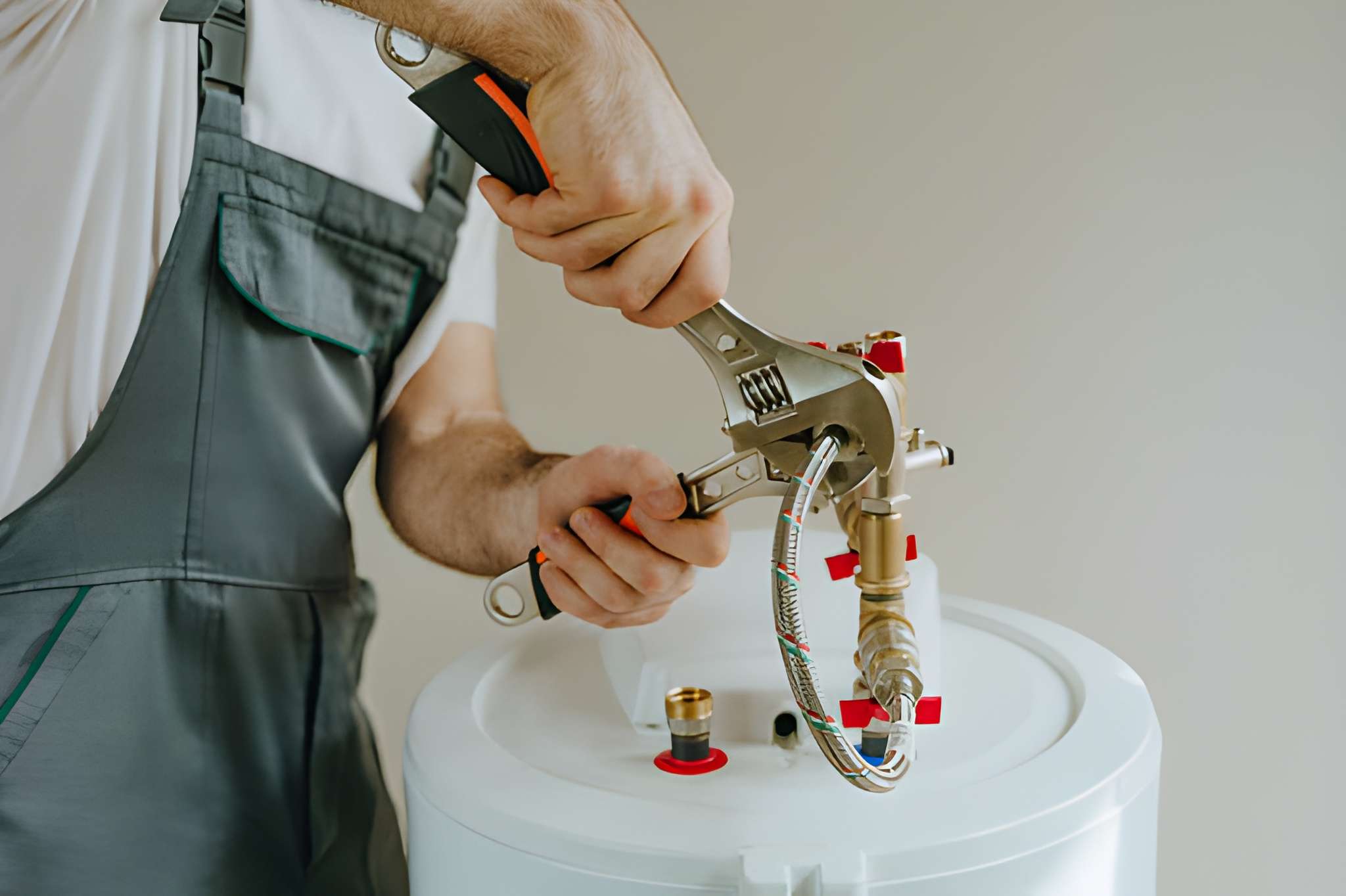
Water Heaters Installation in Greensburg, PA
Replacing or installing a water heater is a critical home upgrade that affects comfort, safety, and monthly energy bills. In Greensburg, PA, where cold winters increase demand for reliable hot water and seasonal temperature swings put extra strain on systems, a professionally executed water heaters installation ensures dependable performance year round. Cochran HVAC provides thorough, code-minded installation services tailored to Greensburg homes, focusing on correct sizing, energy-efficient model selection, safety compliance, and long-term maintenance planning.
Why proper water heater installation matters in Greensburg homes
A correctly installed water heater delivers consistent hot water, reduces utility costs, and prevents common safety hazards such as scalding, leaks, and carbon monoxide exposure. Greensburg homeowners face specific challenges: colder groundwater temperatures mean longer recovery times for undersized tanks, older homes may have limited utility access or space constraints, and local water quality can increase sediment and mineral buildup. Proper installation addresses these local factors so your system runs efficiently and reliably.
Common water heater issues in Greensburg, PA
- Uneven hot water or short supply, especially during winter mornings.
- High energy bills from outdated or oversized units that run inefficiently.
- Frequent leaks or corrosion at connections and tank bottoms, often caused by age or sediment.
- Noisy operation due to mineral buildup in tank-style heaters.
- Ignition or pilot problems in gas units, which can be exacerbated by venting or draft issues in older houses.
- Insufficient ventilation or improper combustion air for gas systems in tight, renovated homes.
Understanding these problems helps target the right solution during the initial assessment and ensures your new installation avoids repeating past failures.
Types of water heaters and which is right for Greensburg homes
Choosing the correct technology depends on household hot water demand, available space, fuel type, and long-term efficiency goals. Common options include:
- Tank water heaters (gas or electric): Best for predictable hot water use and lower initial cost. Modern high-efficiency tank models with improved insulation reduce standby heat loss.
- Tankless (on-demand) water heaters: Provide continuous hot water and save space. They excel in homes with variable hot water needs and when paired with proper whole-house flow rates and gas or electric supply upgrades.
- Heat pump water heaters (electric heat pump): Highly efficient in milder basement or conditioned-space installations. They use ambient heat, making them a smart choice for energy-conscious Greensburg homeowners with suitable installation space.
- Hybrid systems and indirect-fired units: Use home heating systems or boilers to provide domestic hot water. These can be efficient in homes with existing hydronic heating setups.
Each option has tradeoffs in up-front cost, energy consumption, and installation complexity. Cochran HVAC assesses your home to recommend the best fit for comfort and budget.
Site assessment and sizing recommendations
A thorough site assessment prevents common mismatches between the water heater and household needs. Key assessment steps include:
- Measuring available installation space, access routes, and utility connections for gas, electric, or venting.
- Reviewing household hot water usage patterns: number of occupants, simultaneous fixtures in use, and peak demand times.
- Evaluating incoming water temperature, which in Greensburg can be lower in winter and influences required recovery rate and capacity.
- Inspecting existing plumbing, electrical panels, gas lines, and venting to determine necessary upgrades or rerouting.
- Checking for water quality issues like hardness or sediment that affect lifespan and may require pre-treatment.
Sizing guidance basics:
- For tank units, select a capacity that matches household peak demand plus a safety margin. Typical families often require 40 to 80 gallon tanks depending on usage.
- For tankless units, size by flow rate and temperature rise. Cold winters increase required temperature rise, which may necessitate higher-rated units or multiple units for whole-house coverage.
Accurate sizing avoids underperformance and reduces the risk of premature replacement.
Selection of energy-efficient models
Energy efficiency reduces long-term operating costs and may qualify homeowners for local utility rebates or incentives. When comparing models:
- Look for the Energy Factor (EF) or Uniform Energy Factor (UEF) ratings to compare efficiency across tank and tankless models.
- For gas units, check combustion efficiency and sealed combustion or direct vent designs for safer indoor air quality.
- For electric models, consider heat pump technology for substantial energy savings when installation location and climate are suitable.
- For tankless, choose low-NOx burners and highly efficient heat exchangers to cut fuel use.
- Consider additional features that increase longevity and performance such as powered anode rods, high-grade insulation, and corrosion-resistant materials.
Cochran HVAC helps match efficiency priorities with budget and long-term goals, emphasizing reliable brands and models suited to Greensburg climate conditions.
Code and safety compliance in Greensburg, PA
Local codes and permitting are an essential part of any professional installation. Typical compliance elements include:
- Proper permits from Greensburg or Westmoreland County building authorities when required.
- Correct venting and combustion air for gas-fired systems, meeting local mechanical code requirements.
- Installation of approved seismic strapping or anchoring if required by local regulations.
- Proper discharge and routing for temperature pressure relief valves to prevent scalding and water damage.
- Electrical work that meets National Electrical Code standards and local amendments, including correct breakers and disconnects for electric and hybrid systems.
- Backflow prevention and check valve compliance where applicable to protect potable water supply.
Working with Cochran HVAC means installations are planned to meet or exceed local code requirements, reducing risk during inspections and ensuring safe, lawful operation.
Professional installation steps
Cochran HVAC follows a consistent, systematic installation process to ensure high-quality results and reduced disruption to your home:
- Pre-installation planning and materials verification:
- Confirm chosen model, fuel requirements, and any necessary permits.
- Schedule a delivery plan and protect work areas with drop cloths and containment.
- System removal and site preparation:
- Safely disconnect and remove the existing water heater following environmental and disposal requirements.
- Inspect the installation area and prepare mounting surfaces or platform as required.
- Address any necessary plumbing, gas, electrical, or venting repairs before installing the new unit.
- Installation and connections:
- Install the new water heater, ensuring correct anchoring, level positioning, and clearances.
- Connect gas lines with approved fittings and leak testing, or connect electrical lines with correct breaker sizing.
- Install venting and fluework where required, ensuring proper slope, termination, and backdraft protection.
- Install pressure relief valve and drain piping to code-compliant termination points.
- System integration and insulation:
- Connect supply and distribution plumbing, adding dielectric unions or approved fittings to reduce galvanic corrosion.
- Insulate hot water piping where beneficial to reduce standby losses and improve recovery.
- Start-up and commissioning:
- Fill and purge air from the system, check for leaks, and perform combustion analysis for gas appliances.
- Set temperature controls to safe and efficient levels, usually 120 degrees Fahrenheit for a balance of safety and energy savings.
- Demonstrate operation and safety devices, and verify consistent hot water delivery.
Each step is performed with attention to Greensburg conditions and common home layouts to minimize surprises and ensure longevity.
Testing and commissioning
Testing ensures the new installation works safely and efficiently under real-world conditions. Commissioning tasks include:
- Full pressure and leak tests on all plumbing connections.
- Combustion analysis and flue inspection for gas units to verify safe venting and correct air-fuel ratios.
- Electrical load verification and breaker coordination for electric and hybrid systems.
- Calibration of thermostats and temperature limiting devices to industry-recommended settings.
- Flow and temperature checks at multiple fixtures to ensure hot water is available at expected rates.
Proper commissioning reduces callbacks and gives homeowners confidence that the system meets performance expectations.
Post-installation care and maintenance
A new installation is only the start of long-term performance. Regular care extends lifespan and preserves efficiency:
- Schedule annual inspections to check anode rods, drain valves, pressure relief valve operation, and overall system condition.
- For tank water heaters, perform periodic tank flushing to remove sediment, which is particularly important in Greensburg where mineral content can accelerate accumulation.
- For tankless systems, arrange descaling and flow sensor inspections as recommended by the manufacturer to prevent efficiency losses.
- Replace sacrificial anode rods on a schedule based on water chemistry to prevent tank corrosion.
- Monitor for early signs of trouble like changes in noise levels, fluctuating temperatures, or minor leaks, and address them promptly.
Providing homeowners with a clear maintenance plan at installation reduces surprises and prevents small issues from becoming major repairs.
Financing and warranties
Cochran HVAC recognizes that water heater upgrades vary in cost based on technology and scope. Typical support structure includes:
- Availability of multiple financing options to spread installation costs over time for eligible projects, accommodating different homeowner budgets.
- Manufacturer limited warranties covering defects in materials and workmanship for specified periods, which vary by model and brand.
- Labor warranties offered for installation workmanship and service for a defined period following installation.
- Guidance on registering manufacturer warranties and maintaining documentation to preserve coverage.
- Assistance identifying local utility rebate opportunities or efficiency incentives that can offset equipment upgrades.
Understanding warranty terms and financing options helps homeowners make informed decisions without unexpected costs later.
Why choose Cochran HVAC for water heaters installation in Greensburg, PA
Cochran HVAC combines local knowledge of Greensburg building practices and climate impacts with industry best practices for safe, efficient water heater installations. The team emphasizes accurate sizing, code-compliant workmanship, and energy-efficient choices tailored to each home. Our approach accounts for typical Greensburg conditions such as lower winter water temperatures, older home layouts, and common water quality concerns to deliver systems that perform reliably.
Cochran HVAC also plans installations with long-term serviceability in mind, recommending access-friendly locations, appropriate shutoff and drain points, and clear maintenance guidance. The result is a hot water system engineered for comfort, safety, and manageable operating costs over its useful life.
Long-term benefits of a professional water heater installation
Investing in a professional installation delivers measurable benefits:
- Consistent hot water supply even during peak usage periods.
- Lower operating costs through efficient equipment and correct sizing.
- Reduced risk of leaks and water damage via proper connections and pressure relief setup.
- Safer operation with tested venting, combustion controls, and electrical safety measures.
- Extended equipment life when combined with routine maintenance and site-specific recommendations.
For Greensburg homeowners, these benefits are particularly meaningful during cold months when hot water demand peaks and older systems struggle to keep up.
Typical timeline and expectations for an installation
Most straightforward water heater replacements follow a predictable timeline, helping homeowners plan:
- Initial site assessment and proposal preparation: usually completed within days of the appointment.
- Permit acquisition when required: timeline depends on local permitting office workload and application completeness.
- Physical installation and start-up: many standard tank replacements can be completed in a single day, while tankless or hybrid systems, or projects requiring significant gas or electrical upgrades, may take longer.
- Final inspection and documentation: coordinated with local inspectors when permits are involved, and warranty registration is provided upon completion.
Clear communication about expected timing, required access, and any temporary service interruptions helps homeowners prepare for the installation day.
Energy efficiency and long-term cost considerations
Selecting the right water heater has implications beyond the installation day. Energy-efficient choices often provide:
- Lower monthly utility bills due to reduced fuel or electric consumption.
- Quieter operation and reduced standby losses with well-insulated tanks or tankless on-demand systems.
- Potential eligibility for efficiency incentives through local energy programs, depending on current initiatives.
- Longer service life when paired with proper maintenance and water treatment where needed.
Cochran HVAC evaluates life cycle costs alongside upfront investment to recommend options that align with homeowner priorities for comfort, budget, and environmental impact.
Q: How do I know whether a tank or tankless water heater is better for my Greensburg home?A: The choice depends on household hot water demand, simultaneous fixture use, space constraints, and fuel availability. Tank systems often provide reliable volume for families with predictable usage, while tankless units offer continuous hot water and improved energy efficiency for homes with adequate gas or electrical supply and variable demand. A Cochran HVAC assessment will calculate flow rate and temperature rise to recommend the most suitable option.
Q: Will the installation require a permit in Greensburg?A: Many water heater installations require permits and inspections to ensure code compliance. Requirements depend on whether the work includes changes to gas lines, venting, or electrical systems. Cochran HVAC includes permit guidance as part of the installation planning to meet local regulations.
Q: What maintenance should I plan for after installation?A: Annual inspections are recommended. For tank units, periodic flushing to remove sediment and checking the anode rod helps prevent corrosion. Tankless systems need descaling intervals based on water hardness. Regular checks of pressure relief valves and visible connections reduce the risk of leaks and extend service life.
Q: How does Greensburg climate affect water heater performance?A: Colder groundwater temperatures in winter require heaters to work harder to reach set temperatures, which can affect recovery rates and require larger capacity or higher-rated tankless units. Insulating hot water piping and choosing efficient models help offset climate impacts.
Q: What warranties are typically available?A: Most manufacturers offer limited warranties on components or tanks for specific time periods, and installers often provide labor warranties for workmanship. Warranty terms vary by model and manufacturer, and proper registration and maintenance are usually required to keep coverage valid.
Q: Can water quality in Greensburg damage my new water heater?A: Hard water and mineral content can accelerate sediment buildup and corrosion. Installing a water softener or recommending more frequent maintenance can mitigate these effects and extend the life of your water heater.
Q: Are there energy savings options for my old water heater?A: Yes. Replacing an old unit with a high-efficiency tank, a heat pump water heater, or a properly sized tankless system can significantly reduce energy use. Upgrading insulation, installing low-flow fixtures, and setting thermostats to efficient temperatures also help reduce costs.
Q: What is involved in the commissioning process?A: Commissioning includes filling and pressurizing the system, leak testing, combustion testing for gas units, verifying temperature settings, and checking hot water delivery at multiple fixtures to ensure the system operates safely and meets performance expectations.
Q: Do tankless water heaters require electrical upgrades?A: Some high-capacity electric tankless units require significant electrical service upgrades. Gas tankless models typically avoid large electrical demands but may require adequate gas supply and venting modifications. Cochran HVAC evaluates your home systems during the site assessment.
Q: How long should a professionally installed water heater last?A: Lifespan depends on technology and maintenance. Tank water heaters often last 8 to 12 years, while tankless units can last 15 to 20 years or more with proper care. Regular maintenance and addressing water quality issues can extend equipment life.