Water Heaters Replacement in Greensburg, PA
Deciding to replace a water heater is a crucial decision for any Greensburg home where hot water reliability, energy efficiency, and long-term operating costs are priorities. Cochran HVAC brings local expertise to water heater replacement in Greensburg, PA. We'll assess whether repair or replacement is the more sensible choice, recommend the best system type for your household and climate, handle the safe removal and disposal of your old unit, and explain financing, rebates, and warranty options. With Cochran HVAC, you can make a confident decision that fits your needs and budget.
Water Heaters Replacement in Greensburg, PA
Choosing to replace a water heater is one of the most important decisions for a Greensburg home when hot water reliability, energy efficiency, and long-term operating cost are priorities. Cochran HVAC brings local expertise to Water Heaters Replacement in Greensburg, PA by assessing whether repair or replacement is the smarter choice, recommending the best system type for your household and climate, handling safe removal and disposal of the old unit, and explaining financing, rebates, and warranty options so you can make a confident decision that fits your needs.
Why replacement matters in Greensburg homes
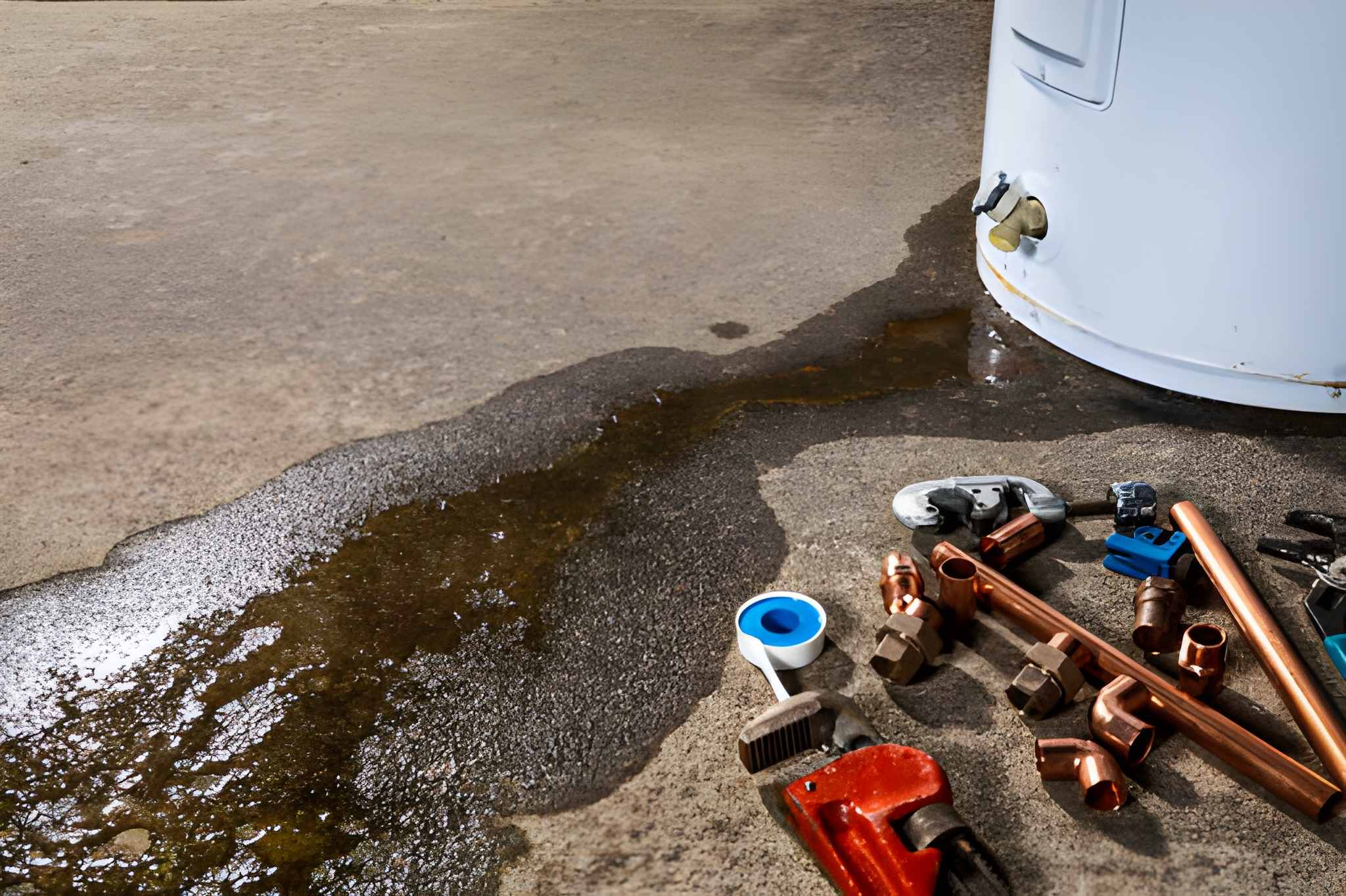
Greensburg experiences cold winters and variable water hardness that can accelerate wear on water heating equipment. An aging or failing water heater can cause inconsistent hot water, higher utility bills, and the risk of leaks that damage floors and finished basements. Replacing an inefficient or unreliable unit improves comfort across the home, reduces energy use, and restores the peace of mind that comes with dependable hot water.
When to replace versus repair
Deciding between repair and replacement depends on several clear signals. Cochran HVAC evaluates these indicators in every Greensburg service assessment.
Common signs replacement is recommended:
- The water heater is at or past the manufacturer expected life span. Older units lose efficiency and fail more frequently.
- Repeated breakdowns or multiple component failures that would make repair costs approach the value of a new system.
- Significant corrosion, rust, or visible tank damage that creates leak risk.
- Sediment buildup or poor water quality that reduces performance even after service.
- Rising energy bills tied to an aging unit that lacks modern efficiency features.
- Insufficient capacity for household hot water needs where a replacement with better sizing or a different technology could solve chronic shortages.
When a single, limited fault is present, repair can be appropriate. Common repair-friendly issues include thermostat replacement, pressure-relief valve service, minor leaks at fittings, or isolated electrical or gas ignition problems. Cochran HVAC documents the condition and provides an objective recommendation based on safety, long-term cost, and reliability.
What Cochran HVAC checks during the replacement assessment
A thorough evaluation identifies whether repair or replacement will deliver the best value for your Greensburg home. Typical assessment steps include:
- Visual inspection of the unit, connections, and nearby structure for corrosion, leaks, or water damage.
- Age verification via model and serial numbers to estimate remaining useful life.
- Evaluating hot water delivery: recovery rate, temperature stability, and overall capacity relative to household demand.
- Testing safety devices including temperature and pressure relief valve and shutoff valve operation.
- Checking venting, combustion air supply, and electrical or gas service for code compliance and safe operation.
- Inspecting anode rods and internal condition when accessible to evaluate sediment impact.
- Reviewing energy bills and prior repair history to quantify operational cost trends.
- Discussing household hot water habits to determine if a change in capacity or system type is warranted.
This structured approach ensures replacement is justified and that the recommended solution addresses the root cause of poor performance rather than treating symptoms.
Choosing the right system for Greensburg: tank, tankless, or hybrid
Selecting the best replacement involves balancing upfront investment, energy savings, space constraints, and household hot water patterns. Cochran HVAC provides side-by-side comparisons tailored to local needs.
Conventional tank water heaters:
- Best for homeowners who prefer a simpler, lower-cost equipment option with predictable installation.
- Provide stored hot water ready for use; sizing focuses on first hour rating and tank capacity relative to peak demand.
- More susceptible to standby heat loss than modern alternatives, particularly in colder basements or unconditioned spaces common in Greensburg homes.
- Easier to replace with minimal changes to piping and venting when like-for-like.
Tankless (on-demand) water heaters:
- Heat water as it flows, delivering continuous hot water and eliminating standby losses.
- Better suited to households with lower to moderate simultaneous hot water demands or where space is limited.
- Require proper sizing of flow rate and inlet water temperature, which can be affected by Greensburg cold groundwater during winter.
- May need upgraded gas service or additional electrical infrastructure; installation and venting complexity are higher.
- Offer long-term energy savings for the right usage pattern and typically longer component life.
Heat pump (hybrid) water heaters:
- Use heat pump technology to extract ambient heat and transfer it to water, delivering higher efficiency in conditioned or warm spaces.
- Perform best in locations where installation space maintains moderate temperatures year-round. In Greensburg, placement in a heated utility room or conditioned basement maximizes performance.
- Have variable recovery speeds and can be programmed for energy-management modes.
- Provide strong energy-efficiency gains but require sufficient space for airflow and may produce noise and cool the surrounding area slightly.
Condensing high-efficiency water heaters:
- Most applicable where high efficiency and large volume are both required.
- Often used as direct gas-fired replacements for traditional tanks with condensing technology to capture additional heat from exhaust.
- Require proper installation to manage condensate and may have specific venting needs.
Key local considerations:
- Cold winters in Greensburg reduce incoming water temperature which affects tankless sizing and recovery time for all systems.
- Water hardness and sediment in certain parts of Westmoreland County can shorten component life. Choosing systems with accessible anode rods, corrosion-resistant materials, or whole-home water treatment extends service life.
- Space and venting constraints in older Greensburg homes may favor tank replacements or specific modular tankless setups.
Energy efficiency, operating costs, and environmental benefits
Modern water heaters deliver measurable energy savings compared to older units. New tanks, condensing models, heat pumps, and tankless systems all reduce wasted energy in different ways.
Benefits of upgrading:
- Lower monthly energy use through higher efficiency ratings and reduced standby loss.
- Improved temperature consistency and faster recovery to meet morning and evening demand peaks.
- Reduced carbon footprint when replacing inefficient units, especially when paired with efficient gas or heat pump technologies and proper insulation.
- Potential to pair with smart controls or occupancy sensing to reduce waste in seasonal properties or homes with variable occupancy.
Cochran HVAC evaluates your current energy profile and projects potential savings, taking into account Greensburg’s seasonal temperature swings that affect incoming water temperatures.
Removal and disposal of old units
Replacing a water heater requires careful removal and responsible disposal. Cochran HVAC follows safe, code-compliant procedures for Greensburg installations.
Removal process summary:
- Safe disconnection of electrical, gas, and water lines using certified procedures.
- Drainage and neutralization of residual water and sediment to avoid spills or contamination.
- Controlled disassembly in tight spaces common to Greensburg basements and utility closets.
- Inspection of adjacent materials and structure for signs of water damage that may need attention before installation.
- Handling and recycling of components as required. Metals and non-hazardous parts are recycled where possible.
- Proper disposal of tanks with residual contaminants in accordance with local regulations and landfill requirements.
Permits and local code compliance:
- Municipal permit and inspection requirements vary across Greensburg and Westmoreland County. Cochran HVAC documents permit needs and ensures installations meet local code, venting regulations, and safety standards.
- Any necessary adjustments to gas line sizing, venting, or electrical service are made with compliance in mind.
Warranty coverage and what to expect
Understanding warranty coverage is essential to long-term value. Warranties vary by manufacturer and product type and typically include different protections.
Common warranty elements explained:
- Parts warranty: Covers defective or failed components for a stated time period. It may require registration with the manufacturer and proof of regular maintenance.
- Tank warranty: For tank-type water heaters, manufacturers may provide a limited tank warranty against leaks or premature failure for a specified number of years. Some models provide longer warranty periods with conditions.
- Labor warranty: Installer labor coverage may be offered separately by the contractor. Cochran HVAC details labor warranty terms, including duration and what service calls are covered.
- Transferability: Some warranties are transferable to a new owner within a limited time window, which can increase resale value for homeowners.
- Exclusions and maintenance requirements: Warranties often require annual maintenance and may exclude damage from sediment buildup, hard water, or improper installation. Cochran HVAC documents these terms to prevent surprises.
Cochran HVAC reviews the warranty details for recommended models and explains how routine maintenance preserves warranty rights and operational life.
Financing options and rebates for Greensburg homeowners
Replacing a water heater is an investment in home comfort and efficiency. Financing options and rebates can help manage upfront costs while enabling faster energy savings.
Financing guidance:
- Multiple financing products may be available through third-party programs or through financing arranged by local contractors. Options often include low-interest installment plans, deferred-interest promotions, or energy-efficiency loans.
- Eligibility criteria vary by program and lender. Typical considerations include credit profile and loan term preferences.
- Financing can be structured to match the estimated energy savings horizon so monthly payments align with expected utility bill reductions.
Rebate and incentive opportunities:
- Utility, state, and federal incentive programs periodically offer rebates for high-efficiency water heaters, heat pump systems, and qualifying condensing units.
- Eligibility often depends on model efficiency ratings, installation by a licensed contractor, and proper documentation.
- Cochran HVAC helps verify potential incentives and compiles the documentation required for rebate applications, ensuring installations meet program requirements.
When evaluating financing and incentives, consider the total cost of ownership and payback timeline. Cochran HVAC provides guidance on comparing upfront costs, expected operating costs, available incentives, and long-term savings.
Typical installation process and timeline
While each installation varies by home and system type, a typical replacement with Cochran HVAC follows these professionally managed steps:
- Pre-install assessment and confirmation of recommended system type and sizing based on household demand and local conditions.
- Scheduling and permit acquisition as required by Greensburg or Westmoreland County regulations.
- Day-of installation that includes safe removal of old equipment, site preparation, and installation of the new water heater with proper venting, gas, electrical, and water connections.
- System startup, calibration of controls, and functional testing for temperature, safety devices, and leak checks.
- Walkthrough and documentation for homeowners covering operation, maintenance tips, and warranty paperwork.
- Disposal of the old unit in accordance with local regulations and recycling practices.
Installation duration varies by system complexity. Tank replacements typically require less time than full conversions to tankless or heat pump systems, which may involve additional venting or utility upgrades.
Maintenance tips to extend life and protect warranty
After replacement, routine care protects the investment and keeps the system operating efficiently.
Recommended maintenance practices:
- Annual professional inspection to check anode rods, test relief valves, and assess sediment levels.
- Flushing tank-type units yearly or as recommended to limit sediment buildup, which reduces efficiency and shortens life.
- For tankless systems, periodic descaling is important in areas with hard water to maintain flow rates and efficiency.
- Insulating accessible hot water pipes and the first few feet of the tank or tankless piping to reduce heat loss and speed recovery.
- Checking venting and combustion air supply annually for gas-fired systems, particularly after severe storms or property modifications.
- Keeping the area around the water heater clear to allow proper airflow for heat pump and venting operation.
Following manufacturer and Cochran HVAC maintenance recommendations helps preserve warranty coverage and prevent premature failure.
Benefits of modern replacement systems in Greensburg
Replacing an old water heater unlocks multiple benefits for Greensburg homeowners:
- Improved reliability: Fewer unplanned outages and consistent hot water delivery during peak use.
- Energy savings: Newer technologies reduce wasted energy and lower operating costs.
- Space efficiency: Tankless and compact units free up basement or utility-room footprint for other uses.
- Safer operation: Modern safety features and properly installed venting reduce risk associated with gas combustion and electrical faults.
- Environmental impact: Higher efficiency means lower greenhouse gas emissions over the system life.
- Increased home value: An updated water heating system with transferable warranty and energy efficiency is attractive to future buyers.
Cochran HVAC frames equipment selection around these benefits and matches a solution to each household’s unique usage and property characteristics.
Common concerns and how they are handled
Homeowners often have questions about disruption, costs, and reliability. Cochran HVAC addresses these concerns through transparent assessments, clear expectations, and professional execution.
Handling common concerns:
- Minimizing disruption: Install teams prepare the work area and complete replacements efficiently while protecting floors and finished spaces.
- Managing unpredictability: Pre-install inspections identify potential complications, and contingency plans are discussed before work begins.
- Documentation: Homeowners receive clear documentation of the system installed, warranty information, and maintenance schedules.
- Long-term support: Recommendations include routine service plans to preserve efficiency and warranty coverage.
This approach reduces the stress of replacement and ensures homeowners understand the long-term value of the investment.
Q: How do I know if my water heater needs replacement rather than repair?A: If your unit is near the end of its expected life, has recurring failures, shows rust or leaks, produces discolored water, or results in steadily higher energy bills, replacement is often the more cost-effective option. A full diagnostic assessment can confirm whether repair would restore reliable operation or if replacement is the best choice.
Q: Which system is better for Greensburg, a tank or tankless water heater?A: There is no single best option. Tank systems are straightforward and often lower-cost to install, while tankless units save energy and provide continuous hot water. Greensburg cold inlet temperatures affect tankless sizing, and space, household demand patterns, and water hardness influence the ideal choice. A professional sizing and usage analysis determines the right solution for your home.
Q: Are there rebates or incentives available in Greensburg for high-efficiency water heaters?A: Rebates and incentives are often available through utilities, state programs, and federal initiatives for qualifying high-efficiency units. Eligibility depends on model type, efficiency rating, and proper installation documentation. Cochran HVAC can help identify potential programs and prepare required paperwork for rebate submission.
Q: What warranty protections should I look for?A: Look for clear manufacturer warranties detailing parts and tank coverage, any available labor warranty from the installer, and maintenance requirements to keep the warranty valid. Ask about transferability if you may sell your home within the warranty period.
Q: How long does a typical replacement take?A: A standard like-for-like tank replacement is often completed within a day, while conversions to tankless or installations requiring gas or electrical service upgrades may take longer. Permitting and inspection schedules can also affect the timeline.
Q: Will replacing my water heater save money on my utility bill?A: Modern high-efficiency units reduce energy consumption compared to older systems. The actual savings depend on the new system type, household hot water usage patterns, and local energy costs. An assessment can estimate expected operating cost reductions.
Q: What happens to my old water heater?A: The old unit is drained, safely disconnected, and removed from the property. Salvageable metal and components are recycled where possible, and the unit is disposed of according to local Greensburg and county guidelines to ensure environmental compliance.
Q: How often should my new water heater be serviced?A: Annual professional inspections are recommended for most systems. Tank models benefit from yearly flushing, while tankless units typically need descaling and filter checks according to water hardness and usage.
Q: Are heat pump water heaters suitable for Greensburg basements?A: Yes, when the basement maintains moderate temperatures and has adequate space for airflow. Heat pumps offer excellent efficiency in conditioned environments. Cochran HVAC evaluates site conditions to confirm compatibility.
Q: Does Cochran HVAC handle permits and code compliance for Greensburg installations?A: Permit and code requirements vary locally, and Cochran HVAC reviews and manages permit needs and ensures installations comply with local codes and safety standards to provide a compliant, reliable system.
Cochran HVAC combines local Greensburg experience with a systematic assessment and replacement process to ensure your new water heater delivers the reliability, efficiency, and peace of mind you expect. With a focus on evaluating repair versus replacement objectively, comparing appropriate technologies for the local climate, managing disposal and code requirements, and clarifying warranties, financing, and rebates, homeowners receive clear guidance to make a confident, informed decision.