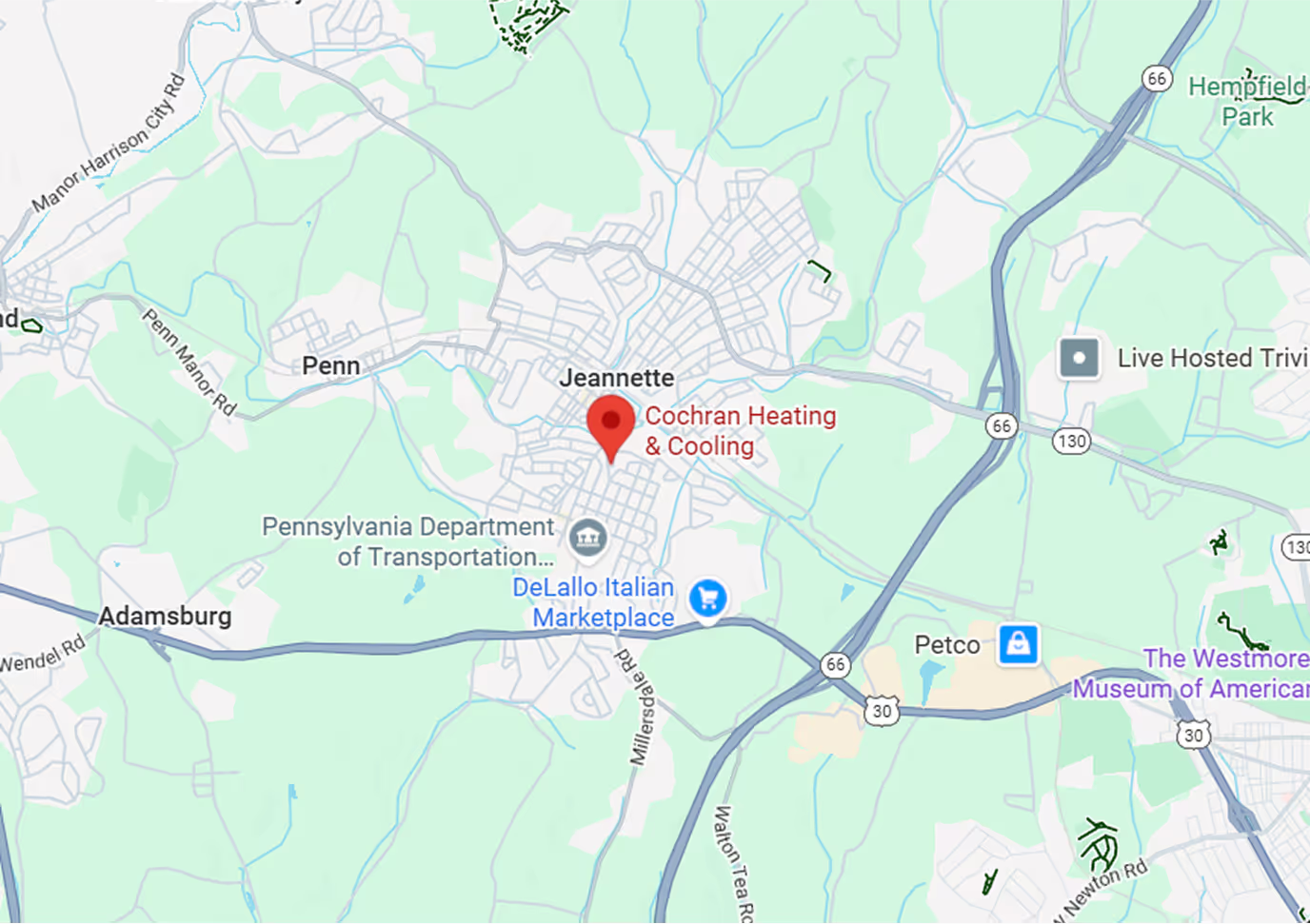
Water Heaters Repair in Latrobe, PA
Professional water heater repair in Latrobe, PA keeps your home comfortable and prevents costly water damage. In a region with cold winters and older housing stock, small water heater problems can quickly become emergencies. Cochran HVAC is committed to providing timely and effective solutions. We explain common failure symptoms, diagnostic steps, typical repairs, emergency response expectations, parts and warranty considerations, pricing factors, and practical maintenance tips tailored to Latrobe homes.
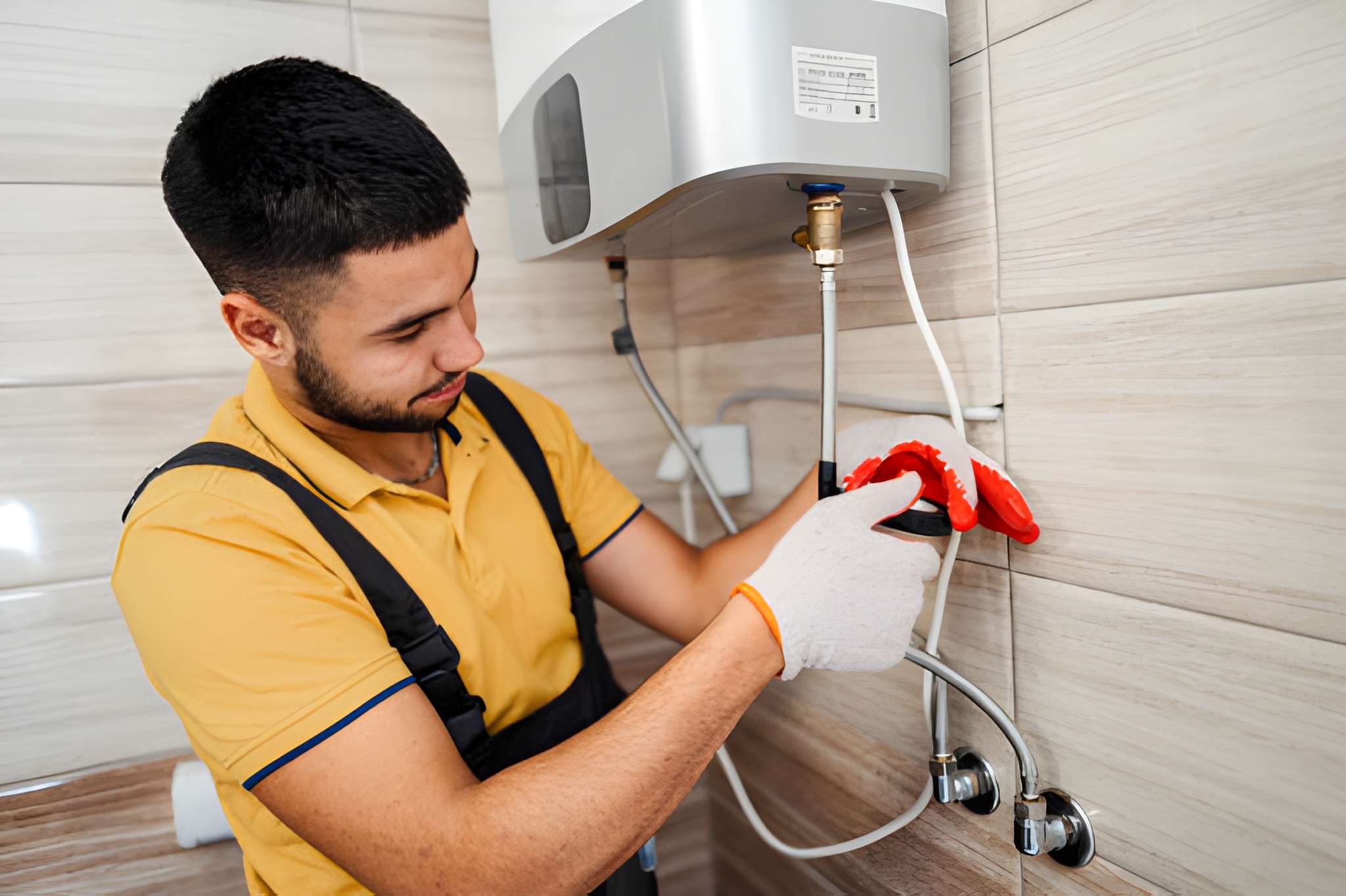
Water Heaters Repair in Latrobe, PA
Professional water heater repair in Latrobe, PA keeps your home comfortable and prevents costly water damage. In a region with cold winters and older housing stock, small water heater problems can quickly become emergencies. This page explains common failure symptoms, diagnostic steps, typical repairs, emergency response expectations, parts and warranty considerations, pricing factors, and practical maintenance tips tailored to Latrobe homes.
Why timely water heater repair matters in Latrobe, PA
Latrobe winters mean higher hot water demand for space heating support, laundry, and bathing. Older tanks and mineral buildup from moderately hard local water increase the risk of leaks and reduced efficiency. Prompt repairs restore hot water, reduce energy bills, and prevent flooding that can damage basements and finished spaces common in the area.
Common water heater failure symptoms in Latrobe, PA
Recognizing symptoms early helps avoid larger repairs. Look for:
- No hot water or inconsistent hot water flow
- Water that is not as hot as it used to be
- Visible leaks at the tank, fittings, or pressure relief valve
- Unusual noises such as popping or rumbling from sediment buildup
- Pilot light or ignition issues on gas units
- Discolored or rusty water indicating corrosion
- Frequent cycling or short supply from tankless systems
These are typical water heater repair issues in Latrobe, PA and often signal problems that can be fixed without full replacement when addressed quickly.
Diagnostic process: how a technician pinpoints the problem
A structured diagnostic approach saves time and clarifies repair needs:
- Visual inspection for leaks, corrosion, and venting issues
- Check of the pressure and temperature relief (P/T) valve for proper operation
- Thermostat and heating element tests on electric units
- Sediment assessment by inspecting drain samples and listening for noises
- Gas system checks: pilot, thermocouple, gas valve, and ignition system performance
- Testing incoming water pressure and flow issues that can mimic heater faults
- For tankless systems, error code readouts and flow sensor verification
Diagnostics focus on safe procedures first. For gas units, ignition and venting checks include combustion air and exhaust integrity to meet local code expectations.
Typical repairs and what they involve
Common repairs that restore service quickly include:
- Thermostat replacement or recalibration to restore accurate temperature control
- Heating element replacement on electric models to restore heat production
- Repair or replacement of the pressure/temperature relief valve to stop leaks and ensure safety
- Ignition system repair, pilot assembly, or thermocouple replacement for gas units
- Sediment removal and tank flush to reduce noise and improve efficiency
- Anode rod replacement to slow corrosion and extend tank life
- Piping and fitting repairs where leaks are isolated to connectors rather than the tank body
Many repairs can be completed in a single visit when parts are on hand. If the tank is corroded or leaking from the tank wall, replacement is usually the safer long-term solution.
Emergency response and turnaround expectations
During cold months or when a leak threatens home interiors, quick response is essential. Expect prioritized service for emergencies, with safety steps taken immediately:
- Secure utilities by turning off gas or power and shutting off the water supply to the tank
- Contain or mitigate leaks to protect floors and finishes
- Conduct a focused diagnostic to determine repair versus replacement
Typical turnaround:
- Minor repairs such as valve or thermostat replacement: 1 to 3 hours
- Heating element swaps or ignition repairs: a single visit if parts available
- Larger jobs or replacement requiring permit work: scheduling and parts availability can extend time to 24 to 72 hours or longer
Seasonal demand and parts availability influence timelines. Local technicians familiar with Latrobe codes can streamline permit and inspection processes when needed.
Parts, warranties, and quality considerations
- Manufacturer warranties on new tanks or components vary; many manufacturers offer limited coverage on tanks and parts that can last multiple years. Always check the original warranty terms before repair.
- Using OEM parts helps preserve warranty coverage and typically offers better fit and longevity. Aftermarket parts can be suitable for some repairs but may have different warranty or performance profiles.
- Repairs should be documented, and parts replaced should come with a parts warranty from the supplier or manufacturer.
- For older units out of warranty, weigh the repair cost versus replacement, considering energy efficiency and the likelihood of future failures.
Pricing considerations for Latrobe homeowners
Repair cost depends on multiple factors:
- Type of heater: gas, electric, or tankless systems have different component costs and labor time
- Age and condition of the unit: older tanks may require more extensive work or replacement
- Severity of damage: minor component swaps vs tank replacement
- Parts availability and whether OEM components are used
- Permit requirements and disposal of old equipment for replacement jobs
Transparent pricing is built from a clear diagnosis and written estimate that outlines parts, labor, and any necessary permit fees.
Tips to avoid future breakdowns in Latrobe, PA
Regular maintenance significantly reduces repair frequency:
- Flush the tank annually to remove sediment that causes noise and reduces efficiency
- Inspect and test the pressure/temperature relief valve every 6 to 12 months
- Replace the anode rod every few years based on inspection results to prevent tank corrosion
- Keep the thermostat at a safe, efficient setting around 120 degrees Fahrenheit
- Consider insulating older tanks and exposed hot water pipes to reduce heat loss during cold months
- If your water is hard, install or service a water softener to reduce mineral buildup and extend component life
- Schedule pre-winter maintenance to ensure reliable performance during the coldest months
Benefits of timely repair and maintenance
Prompt, professional repairs restore comfort, reduce energy bills, and protect your home from water damage. Well-maintained systems run more efficiently, last longer, and provide safer operation for households in Latrobe, PA. Regular attention to common failure points and seasonal servicing is the most cost-effective way to keep hot water available when you need it most.