Water Heaters Replacement in Latrobe, PA
Replacing a water heater is a major home service decision. In Latrobe, PA, homes face cold winters, older plumbing systems, and sometimes limited mechanical spaces. Choosing the right replacement is essential for reliable hot water, controlled energy costs, and safe plumbing systems. Cochran HVAC can guide you through when replacement is recommended over repair, outlining common options (tank, tankless, heat pump), walking through the replacement process, setting expectations for energy savings and warranties, and offering practical advice for selecting the best model for your Latrobe home.
Water Heaters Replacement in Latrobe, PA
Replacing a water heater is a major home service decision. In Latrobe, PA homes face cold winters, older plumbing systems, and sometimes constrained mechanical spaces, so choosing the right replacement keeps hot water reliable, energy costs under control, and plumbing systems safe. This page explains when replacement is recommended versus repair, outlines the common options (tank, tankless, heat pump), walks through the replacement process, sets expectations for energy savings and warranties, and gives practical guidance for selecting the best model for your Latrobe home.
When to Replace vs. Repair
Knowing whether to repair or replace depends on age, symptoms, and costs.
Common signs that replacement is recommended:
- The unit is 10 to 15 years old - older tank units especially are nearing end of life.
- Visible leaks or corrosion on the tank or connections.
- Rusty or discolored hot water despite flushing.
- Frequent breakdowns and rising repair bills.
- Inability to meet household hot water demand - long recovery times or inconsistent temperatures.
- Elevated energy bills with no lifestyle changes.
Rule of thumb: if repair costs exceed 50 percent of the replacement cost or the unit is near its expected service life, replacement is more cost-effective. In Latrobe, colder groundwater and more heating season use can accelerate wear, so age and repeated issues often favor replacement.
Replacement Options: Tank vs Tankless vs Hybrid
Overview of the main types, and how they perform in Latrobe conditions.
Tank water heaters
- Pros: Lower upfront cost, simple installation, stable supply for peak simultaneous use.
- Cons: Standby heat loss, larger footprint, shorter service life (typically 8 to 12 years).
Tankless (on-demand) water heaters
- Pros: Continuous hot water, lower long-term energy use for many households, smaller footprint, longer possible life span.
- Cons: Higher upfront cost, may require upgraded gas line or electrical service, flow rate affected by incoming water temperature - cold Latrobe winters can reduce flow unless sized for higher temperature rise.
Heat pump / hybrid water heaters
- Pros: Very high efficiency for electric systems - can be 2 to 3 times more efficient than standard electric resistance units. Good for homeowners wanting lower electrical use.
- Cons: Larger space and airflow needs, reduced efficiency in very cold basements without adequate ambient heat.
Fuel source considerations
- Natural gas remains common for many Latrobe homes and typically offers lower operating cost for high-demand households. Electric and heat pump options make sense where gas is unavailable or for homeowners prioritizing efficiency and lower carbon footprint.
Capacity and performance guidance
- Tank sizes: 30 to 40 gallons - 1 to 2 people; 40 to 50 gallons - 2 to 3 people; 50 to 80 gallons - 3 to 5+ people.
- Tankless sizing: select based on flow rates of simultaneous fixtures (showers, dishwasher) and calculate temperature rise needed in winter. Cold well or municipal water in Latrobe may require a higher capacity unit.
The Replacement Process
A clear, predictable process reduces surprises.
- Site assessment
- Inspect fuel type, venting, gas line size or electrical service, drain and venting access, and water quality.
- Measure available space and confirm clearances for code compliance.
- Unit selection and sizing
- Choose model type (tank, tankless, hybrid), capacity or flow rate, and efficiency rating based on household usage patterns and site constraints.
- Consider corrosion-resistant materials if hard water or older piping is present.
- Permits and disposal
- Obtain required permits and schedule inspections. Proper disposal and recycling of the old unit is included with replacement. Permitting ensures safe venting, combustion air, and electrical compliance in Latrobe-area codes.
- Installation timeline
- Simple like-for-like tank swap: typically 4 to 8 hours.
- Conversions (tank to tankless, or adding venting/electrical upgrades): can take 1 to 2 days or longer depending on modifications.
- Final testing and homeowner orientation complete the job.
- Post-install checks
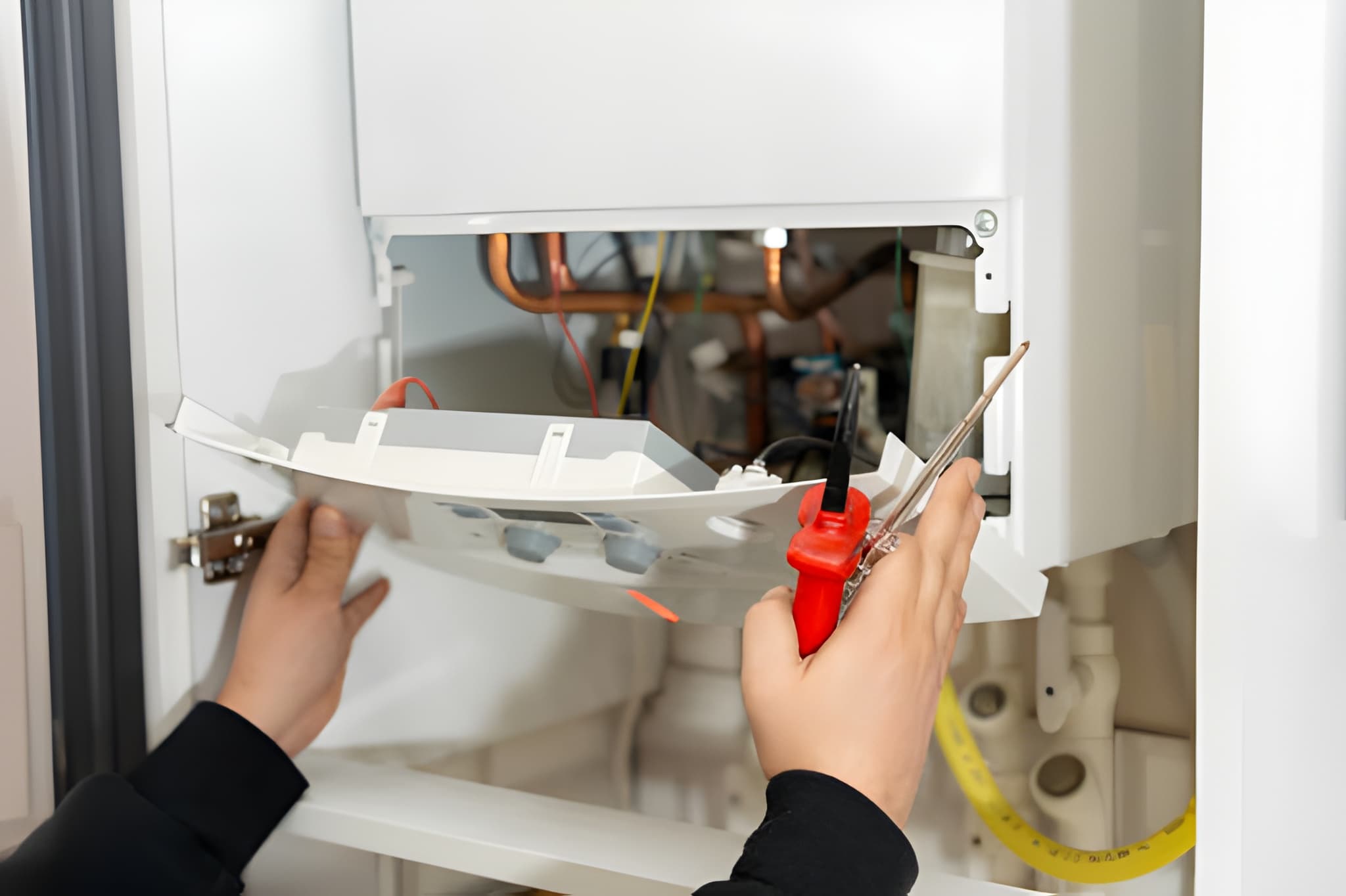
- Test for leaks, verify temperature settings, confirm venting and combustion safety, and explain routine maintenance to the homeowner.
Expected Energy Savings
Savings vary by fuel, model, and household usage.
- Tankless: homeowners often see energy savings in the 10 to 30 percent range compared with older, inefficient tank units, with greater gains for households that do not run continuous high-volume hot water. In colder climates like Latrobe, some efficiency is lost due to higher required temperature rise unless sized appropriately.
- Heat pump / hybrid: can use 50 percent or more less electricity than conventional electric resistance tanks under ideal conditions. Performance depends on installation location and ambient space temperatures.
- High-efficiency condensing gas units: may offer 10 to 30 percent savings versus standard gas tanks when properly vented.
Real-world savings depend on fuel prices, usage patterns, and insulation. Winter demand and groundwater temperatures in Latrobe can influence actual savings and payback periods.
Warranty and Financing Options
Typical warranty structures
- Standard tank warranties: often 6 to 12 years for the tank and more limited coverage for parts.
- Tankless warranties: heat exchanger warranties often range from 10 to 15 years, with shorter coverage for parts and labor.
- Hybrid models: manufacturer warranties vary; check both compressor and tank coverage.
Financing and incentives
- Many homeowners use home improvement financing, energy loans, or manufacturer financing programs to spread replacement costs. Local utility or state programs sometimes offer rebates or incentives for high-efficiency systems. Investigate available programs in Westmoreland County to reduce upfront cost.
Choosing the Right Model for a Latrobe, PA Home
Consider these local and practical factors:
- Household size and peak simultaneous usage.
- Incoming water temperature in winter - calculate required temperature rise for tankless sizing.
- Fuel availability - natural gas, propane, or electric service capacity.
- Space and venting limitations in older homes and basements common to Latrobe neighborhoods.
- Water quality - hard water may favor tanks with sacrificial anodes or tankless units with water treatment.
- Long-term goals - prioritize efficiency and lower operating cost or prioritize lower initial expense.
- Maintenance willingness - tankless units require periodic descaling in hard water areas.
Maintenance and Long-Term Benefits
Regular maintenance extends life and preserves efficiency: annual inspections, flushing tanks to remove sediment, checking anode rods, and descaling tankless systems if needed. Replacing an aging, inefficient water heater brings improved reliability, lower operating costs, and reduced risk of catastrophic leaks that can damage basements and finished spaces common in Latrobe homes.
Q: How long does a water heater replacement typically take?A: A like-for-like tank replacement usually takes 4 to 8 hours. Conversions to tankless or installations requiring venting, gas line, or electrical upgrades can take 1 to 2 days.
Q: When is repair no longer worth it?A: If the unit is over 10 years old, repairs are frequent, or a single repair costs more than half the price of replacement, replacement is usually the smarter choice.
Q: Is tankless a good option for Latrobe homes?A: Tankless can be an excellent long-term option if sized correctly for winter temperature rise and if your home has sufficient fuel or electrical capacity. For very high simultaneous demand households, a properly sized tank system may still be preferable.
Q: How much can I expect to save on energy?A: Savings vary. Tankless units commonly save 10 to 30 percent versus older tanks for typical usage patterns. Heat pump models can cut electric water heating energy by roughly half versus resistance electric units under favorable conditions.
Q: Do I need a permit for replacement in Latrobe?A: Yes, replacement typically requires permits and an inspection to ensure safe venting, combustion air, and electrical or gas compliance with local code.
Q: What routine maintenance will the new unit need?A: Annual inspections, periodic flushing of tanks, checking anode rods on tank units, and descaling or flushing tankless units in hard water areas are common preventative tasks.