Boiler Installation in West Newton, PA
For West Newton, PA homes, installing or replacing a boiler is a key investment in reliable and efficient heating. The region’s cold Appalachian winters, older homes, and mix of natural gas and oil systems can often lead to uneven heating, higher fuel costs, and safety concerns with aging equipment. A professional boiler installation in West Newton, like the ones offered by Cochran Heating & Cooling, includes a comprehensive process—from the initial home assessment and system selection to expert installation, startup, and seasonal maintenance—ensuring homeowners understand each step and the importance of proper setup for long-term comfort and efficiency. We’re here to help make your heating worries disappear.
Boiler Installation in West Newton, PA
Replacing or installing a new boiler is one of the most important investments for comfortable, reliable heating in West Newton, PA. With cold Appalachian winters, older housing stock, and a mix of natural gas and oil service lines, homeowners often face uneven heating, rising fuel bills, or safety concerns from aging systems. This page explains the full Boiler Installation in West Newton, PA process—from initial assessment through startup and season-ready maintenance—so you know what to expect and why each step matters.
Why West Newton homes need professional boiler installation
Common reasons homeowners pursue a boiler replacement or new installation:
- Repeated breakdowns or unreliable heat during cold snaps.
- Low efficiency from older cast iron or atmospheric boilers causing high fuel bills.
- Switching fuel types (for example, oil to natural gas or propane) or upgrading to a condensing boiler.
- Renovations that require right-sized heating equipment or new zone control.
- Safety concerns such as flue damage, carbon monoxide risk, or corroded components.
West Newton’s cold winters and many older radiators mean correct sizing, proper venting, and careful pipework assessment are critical to avoid cold spots and ensure efficient operation.
Common boiler types and selecting the right system
Choosing the correct boiler involves matching fuel type, efficiency, and system design to your home:
- High-efficiency condensing boilers (modulating-condensing) — best for long-term fuel savings and improved control; require condensate drainage.
- Combi boilers — combine domestic hot water and space heating in one compact unit; suitable for smaller homes with moderate hot water demand.
- Traditional cast-iron or non-condensing boilers — sometimes used when existing radiators and venting favor them; lower efficiency.
- Fuel options — natural gas, propane, oil, and electric boilers are all used in the area; fuel availability and long-term operating cost inform the choice.
Key selection factors: an accurate heat loss calculation (to avoid oversizing), AFUE efficiency rating, compatibility with existing radiators/underfloor heating, and venting or chimney constraints typical in West Newton homes.
The Boiler Installation Process in West Newton, PA
- Initial consultation and home/pipework assessment
- Measure living areas, inspect insulation and windows, and note any additions or atypical spaces.
- Inspect existing piping, radiators, boiler room clearance, chimney or venting, and fuel supply lines.
- Identify potential obstacles common in older West Newton homes: cramped basements, corroded pipe fittings, or outdated chimney liners.
2. Selection of appropriate boiler type and efficiency rating
- Perform a heat loss calculation to size the boiler correctly.
- Compare AFUE ratings, modulation range, and control options.
- Decide on condensing vs non-condensing based on venting options and budget for condensate handling.
3. Permit and code compliance
- Obtain required local permits and schedule inspections per Pennsylvania and local West Newton codes.
- Confirm combustion air provisions, venting/chimney requirements, gas/propane line permits, and carbon monoxide detector placement.
- Ensure installer follows manufacturer clearances and local mechanical code.
4. Professional installation steps
- Safe removal and disposal of the old unit and any hazardous materials.
- Install new boiler pad or platform as needed, properly secure the unit, and set up venting or chimney liner.
- Connect fuel supply, gas/propane line sizing, or oil tank piping; install electrical connections and controls.
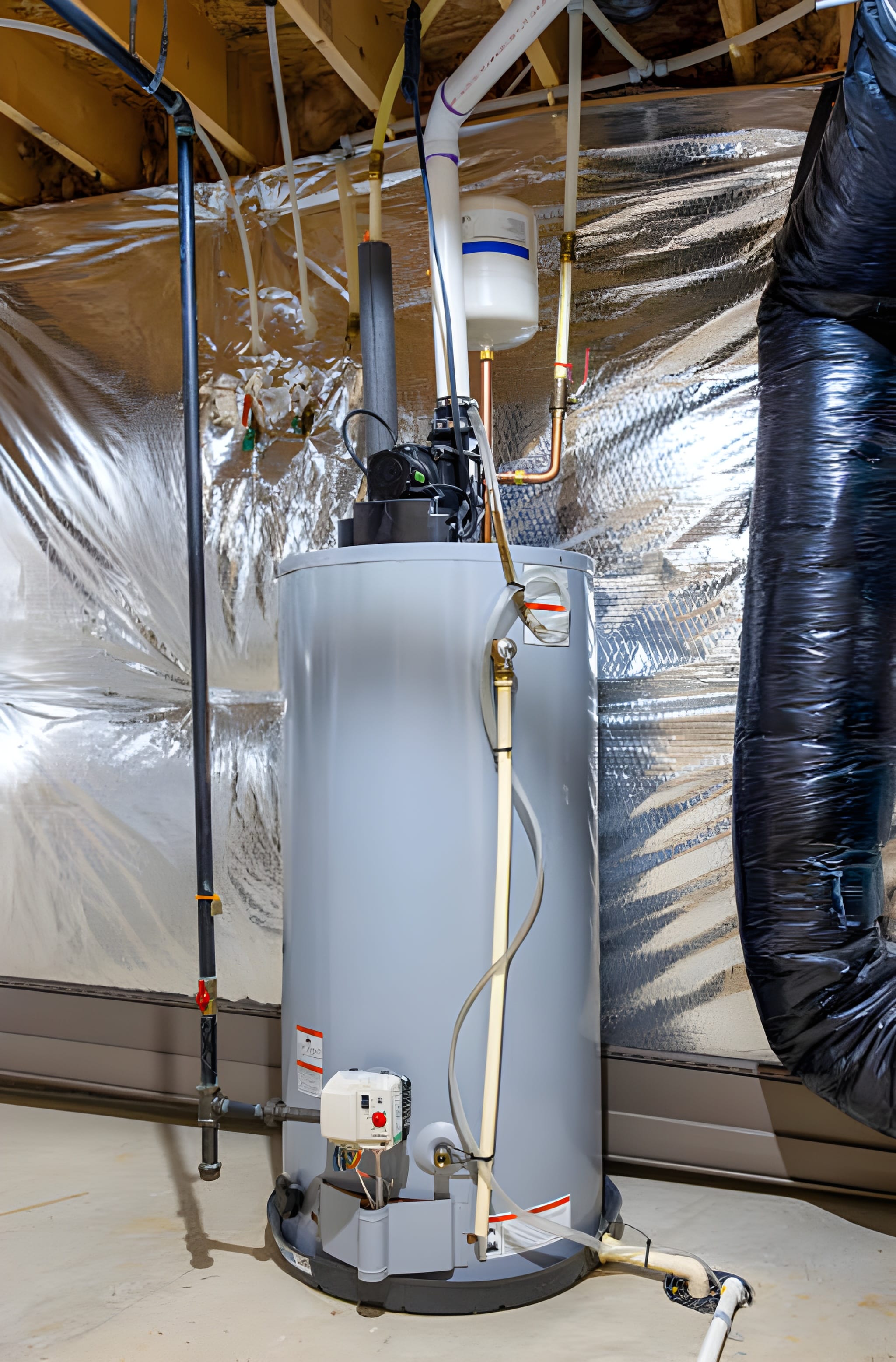
- Pipe and insulate supply and return lines, install expansion tank, pressure relief valve, air separator, and proper condensate drain for high-efficiency boilers.
- Integrate zone valves or smart thermostats and verify system controls.
5. Startup and commissioning tests
- Pressure test and purge the system to remove air, then fill to operating pressure.
- Perform combustion analysis and adjust for optimal efficiency and safe CO levels.
- Check gas pressure, leak test fuel lines, verify flue draft, and test safety devices.
- Balance zones, calibrate thermostats, and run the system through demand cycles to confirm performance.
- Provide a written commissioning report documenting settings, test results, and warranty information.
Manufacturer warranties and registration
- Typical coverage includes parts warranty and a longer heat exchanger warranty; durations vary by model and manufacturer.
- Manufacturer warranties often require registration and adherence to recommended startup and maintenance schedules.
- Keep records of installation paperwork, combustion readings, and maintenance visits to protect warranty claims.
Post-installation maintenance recommendations
Proper maintenance extends life and preserves efficiency:
- Schedule an annual service visit before the heating season for combustion check, burner cleaning, and safety inspections.
- For condensing boilers, keep the condensate trap and drain clear and inspect corrosion-prone components.
- Check system pressure monthly and bleed radiators or purge zones to remove trapped air.
- Inspect expansion tanks, zone valves, and pumps for proper operation.
- Consider water treatment or a system flush if the piping is older or shows signs of corrosion or sediment.
Benefits of a correct installation for West Newton homes
- Improved comfort with even heat distribution and reliable performance during cold weather.
- Measurable energy savings with a properly sized, high-efficiency boiler.
- Reduced emergency repairs and longer equipment life when installed and commissioned correctly.
- Safer operation with compliant venting, combustion testing, and installed safety devices.
- Better indoor air quality and reduced risk of carbon monoxide when systems are tested and venting is verified.
Q: How long does a full boiler installation take?
A: Typical installations vary from one to several days depending on complexity—straight replacements often take one to two days; fuel conversions or extensive pipework can take longer.
Q: Will a new boiler fit my existing radiators?
A: Often yes, but performance depends on correct sizing and system balancing. Some older radiators may require rebalancing or additional emitters to reach modern comfort levels.
Q: Do I need a new chimney liner for a condensing boiler?
A: Condensing boilers generally use PVC or stainless steel venting and produce cooler exhaust, so many installations avoid traditional chimney venting. A lining assessment is required to determine the best option.
Q: What is AFUE, and why does it matter?
A: AFUE (Annual Fuel Utilization Efficiency) measures how efficiently a boiler converts fuel into heat. Higher AFUE means lower operating costs over time.
Q: Are there special considerations for oil-to-gas conversions in West Newton?
A: Fuel line routing, removal or abandonment of oil tank piping, and potential chimney liner changes are common considerations. Permits and inspections are required.
Q: How often should I register my warranty and schedule maintenance?
A: Register warranties at installation and follow manufacturer service intervals—typically annual inspections—documented in the warranty terms.