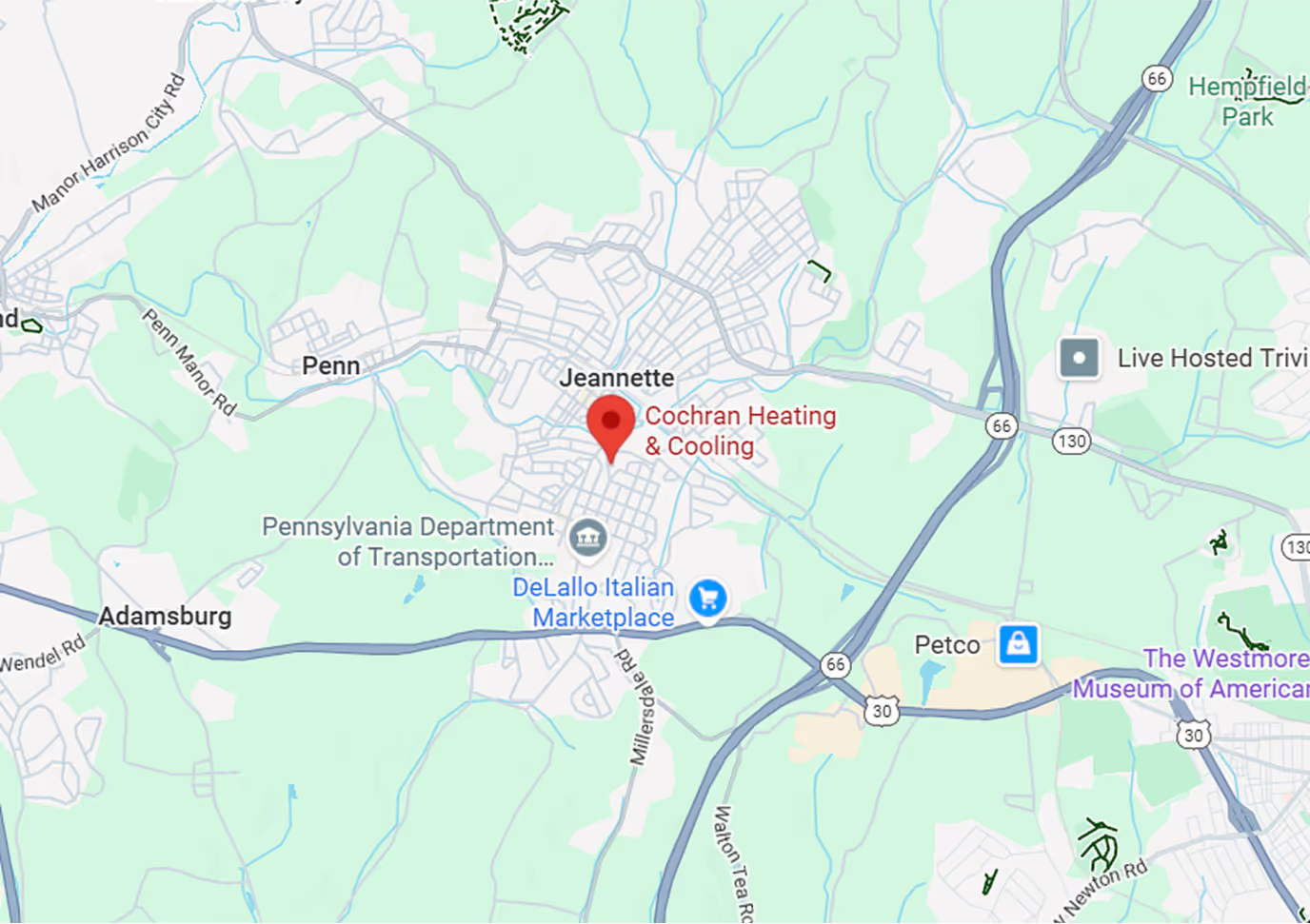
Boiler Repair in West Newton, PA
For West Newton homeowners, a reliably running boiler is essential, especially with our cold winters and the temperature fluctuations common in our river valley. Cochran Heating & Cooling is dedicated to ensuring you have dependable heat when you need it most. Whether you require emergency repair in the midst of a freeze or scheduled service to prevent a breakdown, understanding the symptoms, diagnostic steps, common repairs, safety checks, and realistic response expectations empowers you to make informed decisions when your heating system is at risk. Let Cochran Heating & Cooling be your trusted partner in keeping your home warm and comfortable.
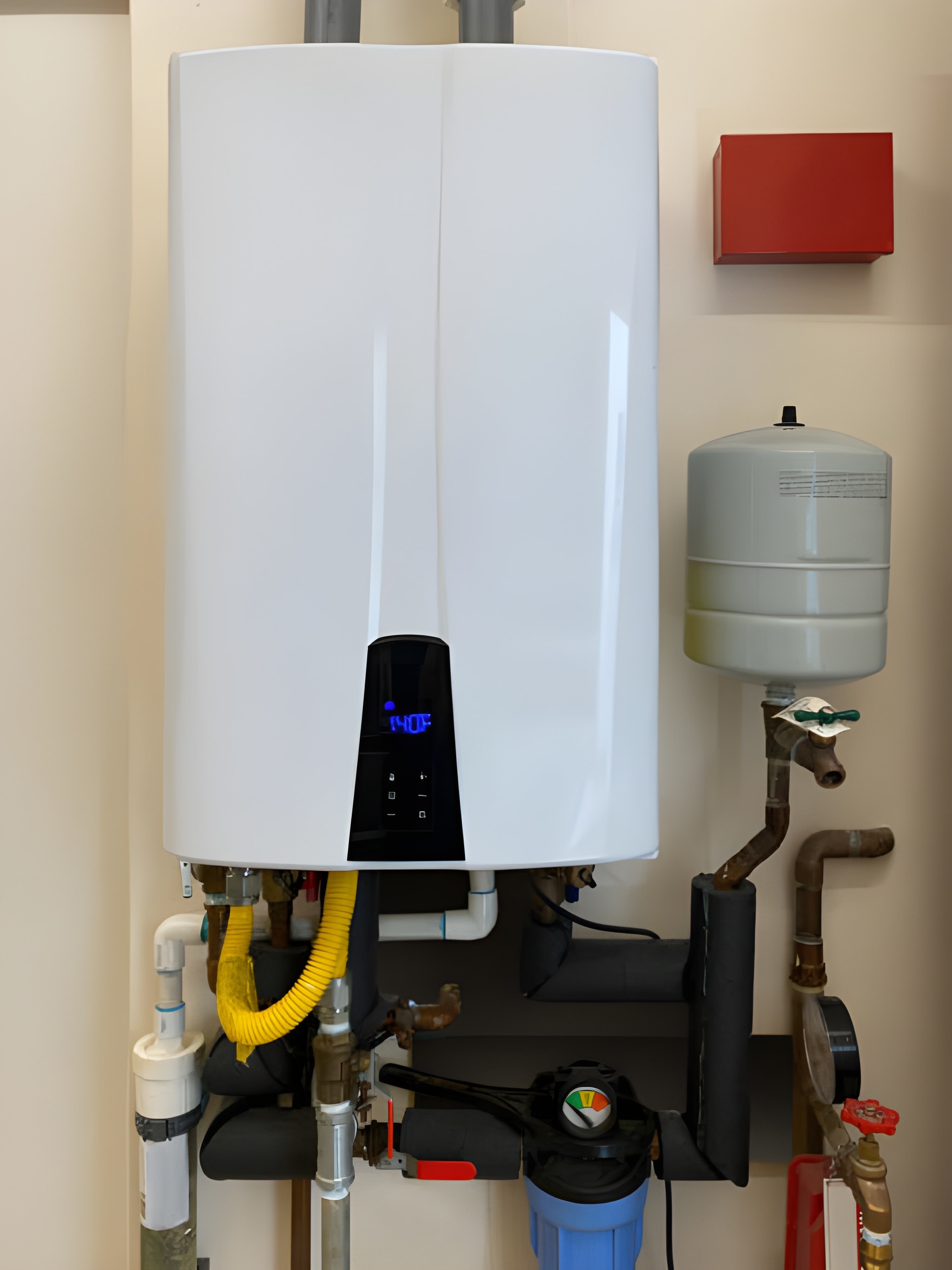
Boiler Repair in West Newton, PA
Keeping your boiler running reliably is essential for West Newton homes, where cold winters and river valley temperature swings make dependable heat a necessity. Whether you need emergency repair in the middle of a freeze or scheduled service to prevent a breakdown, understanding symptoms, diagnostic steps, common repairs, safety checks, and realistic response expectations helps you make informed decisions when your heating system is at risk.
Why prompt boiler repair matters in West Newton, PA
West Newton experiences prolonged cold spells and freeze-thaw cycles that stress boilers and piping. Older homes in the area often rely on boilers for both heat and domestic hot water, so a failure can quickly become a major comfort and safety issue. Timely diagnostics and repairs reduce the risk of carbon monoxide exposure, prevent water damage from leaks, and extend equipment life.
Common boiler failure symptoms
Watch for these clear signs that a boiler needs attention:
- No heat or uneven heat across the house despite thermostat settings
- Pilot light or ignition issues, including failure to light or repeated lockouts
- Water leaks around the boiler, pressure relief valve, or nearby piping
- Strange noises such as banging, humming, or gurgling that indicate trapped air, kettling, or failing circulator pumps
- Low pressure or pressure fluctuations on the boiler gauge
- Frequent cycling or short cycling, suggesting control or circulator problems
- Unusual odors or suspected gas smell (requires immediate attention)
- Visible corrosion or rust on components and flue connections
Types of repair service offered
- Emergency boiler repair for no-heat calls, gas odor, visible leaks, or suspected carbon monoxide
- Scheduled diagnostic service to investigate intermittent issues or prepare the system before winter
- Component replacement on-site for common parts like thermocouples, ignitors, circulator pumps, zone valves, pressure sensors, and relays
- Heat exchanger and flue inspections to detect cracks, blockages, or combustion issues
- Controls, thermostat, and zone troubleshooting to restore proper system communication and balancing
- Leak repair and pipe fitting to stop water damage and restore system pressure
Diagnostic process you can expect
A systematic diagnostic approach isolates the root cause quickly and safely:
- Initial safety check - confirm no gas leaks, clear flue ventilation, and safe power conditions.
- Visual inspection - look for corrosion, water stains, or loose wiring.
- Control and ignition testing - check the thermostat, ignition sequence, pilot assembly, and safety interlocks.
- Pressure and temperature assessment - measure boiler pressure, supply/return temps, and expansion tank status.
- Circulator and valve evaluation - test pumps, motor amps, and zone valve operation.
- Combustion and flue testing - measure combustion efficiency and inspect the flue path for blockages or deterioration.
- Leak tracing - identify source of leaks with pressure tests and targeted inspection.
Technicians typically provide a clear explanation of findings, present repair options, and indicate any parts that may be required for on-site replacement.
On-site parts replacement and common repairs
Technicians generally carry a stock of frequently used parts to complete many repairs in a single visit. Typical on-site replacements include:
- Ignition modules, thermocouples, and flame sensors
- Circulator pumps and bearings
- Zone valves and actuators
- Pressure relief valves and expansion tanks
- Control boards, relays, and thermostats
- Gaskets, seals, and minor piping components
More complex items, such as a cracked heat exchanger or specialty control modules, may require ordering manufacturer-specific parts and a follow-up visit. When replacement parts are needed, technicians will explain lead times and interim safety measures.
Safety checks and combustion testing
Safety is a priority in every repair:
- Gas leak detection and immediate shutoff procedures if needed
- Carbon monoxide testing at the appliance and in adjacent living spaces
- Pressure relief valve testing and expansion tank verification
- Combustion efficiency testing to confirm safe and economical burner operation
- Flue and venting inspection to ensure safe exhaust of combustion gases
These checks protect your household and help avoid repeat failures.
Expected response times and scheduling
Response times differ between emergency and scheduled repairs:
- Emergency repairs (no heat, gas smell, suspected carbon monoxide, major leaks) are prioritized and typically addressed as quickly as local conditions allow, especially during severe cold. Expect same-day or next-few-hours response depending on availability and weather.
- Scheduled diagnostics and repairs are arranged for non-critical issues and may be booked to suit your calendar. Winter demand can extend scheduling timelines, so pre-season inspections are recommended.
Local weather, supply chain delays for certain parts, and high seasonal demand can affect exact timing. Technicians will provide an estimated arrival window when scheduling.
Technician qualifications and standards
Qualified technicians serving West Newton homes typically meet these professional standards:
- Licensed and insured for plumbing, heating, and gas work where applicable
- Factory-trained or experienced on major boiler brands and models
- NATE or industry-recognized certifications and continuing education in combustion and safety testing
- Background-checked and customer-focused, with clear documentation of work performed
- Use of calibrated diagnostic equipment for accurate pressure, temperature, and combustion measurements
These qualifications ensure diagnostics and repairs are dependable and code-compliant.
Warranty and guarantee information
Reliable boiler repair services provide clear warranty coverage:
- Manufacturer warranties may cover replacement parts for the period specified by the part manufacturer
- Service or workmanship guarantees typically cover labor for a defined period after repair
- Warranty documentation should be provided after repairs, outlining coverage for parts and labor and any exclusions
Ask for written warranty terms and retention instructions so you understand what is covered and how to proceed if a problem recurs.
Preventive maintenance and long-term benefits
Regular maintenance reduces emergency breakdowns and extends equipment life:
- Annual pre-winter tune-up to check combustion efficiency, clean burners, and test safety devices
- Seasonal flushing or treatment to reduce scale and corrosion in hydronic systems
- Timely replacement of wear items like pumps and valves before they fail
- Thermostat and zone balancing to improve comfort and reduce fuel consumption
Benefits of prompt repairs and routine maintenance include lower energy bills, fewer emergency calls, improved safety, and preserved home value.
Q: How quickly can an emergency boiler repair be dispatched in West Newton, PA?
A: Emergency response times vary by service demand and weather but are prioritized for no-heat, gas smell, or carbon monoxide situations. In many cases technicians aim for same-day response or arrival within a few hours when roads and conditions permit.
Q: What should I do immediately if I smell gas or suspect a carbon monoxide issue?
A: Leave the building immediately, avoid using electrical switches or open flames, and contact emergency services. Do not re-enter until the area has been declared safe by qualified personnel.
Q: Will most boiler repairs be completed on the first visit?
A: Many common repairs—ignition components, circulator pumps, valves, seals—can be completed on the first visit when technicians carry commonly used parts. Complex items like heat exchangers or special control modules may require ordering parts and a follow-up visit.
Q: Are on-site parts replacements covered by warranty?
A: Parts installed may be covered by the part manufacturer's warranty, while labor coverage is typically governed by the service provider’s workmanship guarantee. Always request written warranty details after the repair.
Q: How often should my boiler be inspected or maintained?
A: Annual inspections and pre-winter tune-ups are recommended for most boilers to maintain efficiency, safety, and reliability. Older systems in West Newton’s colder climate may benefit from more frequent checks.