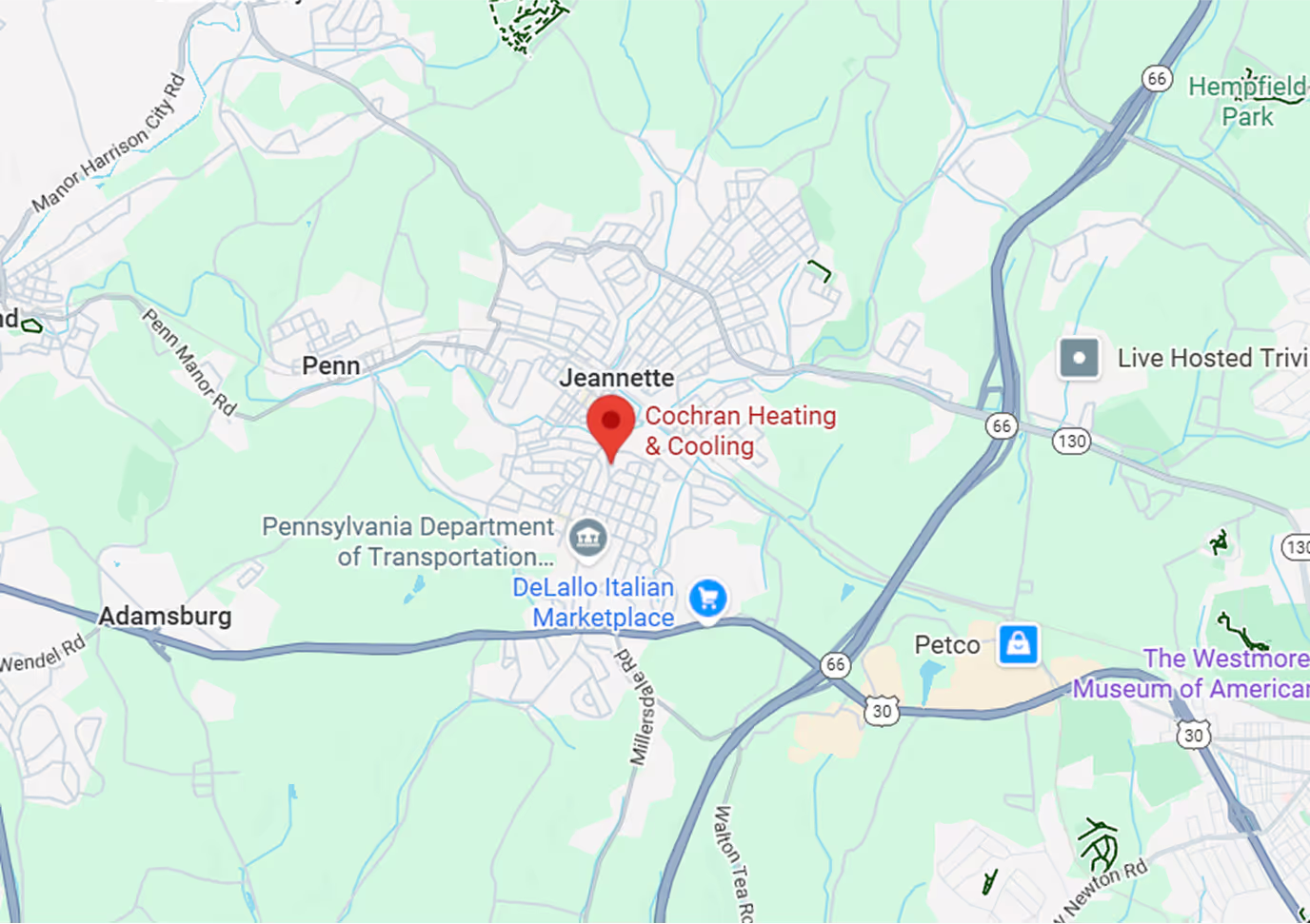
Heating Installation in North Huntington, PA
Heating installation in North Huntington, PA, is a decision that impacts your comfort, monthly energy bills, and home safety for years to come. Given our cold, snowy winters and the prevalence of older homes in the area, a professional, code-compliant installation tailored to your property is essential. Cochran Heating & Cooling understands these local needs. We'll walk you through the complete installation process, addressing common local issues, recommending suitable equipment, handling permitting and code requirements, detailing step-by-step procedures, conducting post-installation testing and commissioning, explaining warranty and maintenance options, and offering practical financing assistance to make upgrades manageable.

Heating Installation in North Huntington, PA
Heating installation in North Huntington, PA is a decision that affects your comfort, monthly energy costs, and home safety for years. With cold, snowy winters and older homes common in the area, a professional, code-compliant installation tailored to your property is essential. This page walks through the full installation process, common local issues, equipment recommendations, permitting and code points, step-by-step procedures, post-installation testing and commissioning, warranty and maintenance options, and practical financing assistance to make upgrades manageable.
Why a tailored heating installation matters in North Huntington, PA
North Huntington experiences extended periods of below-freezing temperatures and occasional heavy snow. Homes here often have unique challenges: older insulation, mixed heating systems, and varied distribution layouts (ducted forced air, radiators, or baseboard hydronics). Choosing the right system and installing it correctly prevents short cycling, cold rooms, high energy bills, and safety risks like carbon monoxide.
Common heating installation issues in North Huntington homes
- Undersized or oversized equipment causing poor comfort and wasted energy
- Leaky or undersized ductwork leading to uneven heating in older homes
- Inadequate combustion air or venting for gas-fired equipment
- Poorly matched distribution systems when replacing boilers or furnaces
- Permit or inspection delays when local requirements are not anticipated
Initial assessment and load calculation
- Home survey: layout, insulation levels, windows, foundation type, and existing distribution (ducts, radiators, baseboards)
- Mechanical inspection: existing equipment age, venting, gas line capacity, electrical panel capacity, and combustion safety checks
- Load calculation: perform a Manual J style heat load calculation to determine exact heating demand in BTU/h for each room and the home as a whole. This prevents common problems from improper sizing.
- Distribution assessment: evaluate existing ductwork or piping for capacity, sealing, insulation, and zoning needs.
Equipment recommendations for North Huntington residences
- High-efficiency furnaces: gas or propane furnaces with high AFUE ratings are a common choice for cold winters; ensure proper venting and combustion air.
- Boilers: hot water or steam boilers remain common in older Pennsylvania homes; modern condensing boilers improve efficiency and work well with baseboard or radiator systems.
- Cold-climate heat pumps: modern air-source heat pumps designed for colder climates can provide high efficiency and are increasingly suitable here, often paired with backup heat for extreme cold.
- Hybrid systems: combining a heat pump with a gas furnace or boiler can maximize efficiency and reliability in variable winter weather.
- Distribution upgrades: sealed and insulated ductwork, zoned hydronic control valves, and modern thermostats improve comfort and lower operating costs.
Permit and code compliance
- Local permitting: obtain building and mechanical permits required by North Huntington Township and Westmoreland County. Expect inspections for gas piping, venting, combustion safety, and electrical connections.
- Code compliance: installations must meet relevant building, mechanical, fuel gas, and energy codes. Proper combustion air, vent termination, and electrical grounding are critical for safety and passing inspections.
- Recordkeeping: documentation of load calculations, equipment specifications, and inspection approvals preserves warranties and supports resale value.
Step-by-step installation process
- Preparation and scheduling: finalize equipment, order materials, and confirm permit requirements and inspection windows.
- Site preparation: protect floors and finishes; prepare mounting pads or platforms and ensure proper clearances.
- Remove old equipment: safely disconnect and remove existing furnace, boiler, or heat pump while containing debris and fuel lines as required.
- Rough-in work: install gas line upgrades, electrical connections, venting or flue systems, condensate drains, refrigerant lines for heat pumps, and distribution modifications.
- Set and secure new equipment: level and fasten the new unit, verify clearances, and connect to gas, electric, and distribution systems.
- Duct or hydronic integration: connect and seal ducts, insulate as needed; for boilers, connect piping, install expansion tanks, and purge air from loops.
- Control integration: install thermostats, zone valves, or smart controls and configure schedules and sensors.
- Safety checks before startup: verify combustion air, fuel pressure, electrical connections, and vent integrity.
Post-installation testing and commissioning
- Combustion and safety testing: combustion analysis for gas-fired appliances, carbon monoxide checks, and flue draft verification.
- Airflow and distribution testing: measure static pressure, supply and return airflow, and temperature splits for forced air systems.
- Refrigerant and pressure tests: verify correct charge and leak-free refrigerant circuits on heat pumps; pressure test hydronic systems.
- Balancing and zoning: adjust dampers, zone valves, and thermostats so each area meets calculated setpoints.
- Commissioning walkthrough: review controls, maintenance access, filter types, and safety shutdown procedures with the homeowner. Provide documentation of settings and measured performance.
Warranty and maintenance options
- Manufacturer warranty: new equipment includes manufacturer coverage for parts and often limited labor terms; keep installation and commissioning documentation to preserve coverage.
- Labor warranty: installers usually provide a workmanship warranty for a specified period; check the scope and exclusions.
- Recommended maintenance: annual inspections for combustion safety, burner cleaning, heat exchanger checks, combustion analysis, boiler flushing or treatment, and heat pump tune-ups.
- Service plans: regular preventive maintenance plans extend equipment life and maintain efficiency. Maintain records of service to support warranties.
Financing assistance and cost management
- Equipment finance options: many homeowners use home improvement loans, energy-efficiency financing, or flexible payment plans to spread upfront costs.
- Incentives and rebates: local utility rebate programs and state or federal energy incentives may apply to high-efficiency furnaces, boilers, or heat pumps. Check eligibility for rebates and tax credits to reduce net cost.
- Energy savings analysis: an efficiency estimate showing projected fuel and electricity savings helps compare lifecycle costs between options and justifies higher-efficiency choices.
Benefits of a professional installation in North Huntington
- Consistent winter comfort and safer operation in cold weather conditions
- Lower heating bills from properly sized, high-efficiency equipment and sealed distribution systems
- Reduced risk of carbon monoxide exposure and combustion-related hazards
- Better indoor comfort control with zoning and modern thermostats
- Long-term reliability and preserved warranty coverage through proper documentation and commissioning
FAQs
What is the difference between sizing a furnace and using a rule of thumb?
Sizing by load calculation is precise. A Manual J type calculation accounts for insulation, windows, orientation, and local climate to size equipment correctly. Rule-of-thumb sizing often leads to oversized units, short cycling, and higher operating costs.
How long does a typical heating installation take in a single-family home?
It depends on scope. A straightforward furnace swap may take one day. Complex installs involving ductwork, boiler replacement, or heat pump installation with distribution upgrades can take several days to a week.
Will a heat pump work reliably in North Huntington winters?
Modern heat pumps perform well in cold climates. Cold-climate air-source heat pumps and properly configured hybrid systems remain efficient and reliable through most winter conditions. Backup heat may be recommended for extreme cold or during defrost cycles.
Do I need a permit for replacing a furnace or boiler?
Most replacements require permits. Local North Huntington Township and Westmoreland County rules typically require mechanical and sometimes plumbing or electrical permits, plus inspections. Proper permits protect safety and ensure code compliance.
How often should I schedule maintenance after installation?
Annual inspections are standard. Schedule annual tune-ups for gas furnaces, boilers, and heat pumps before the heating season to maintain efficiency, safety, and warranty eligibility.