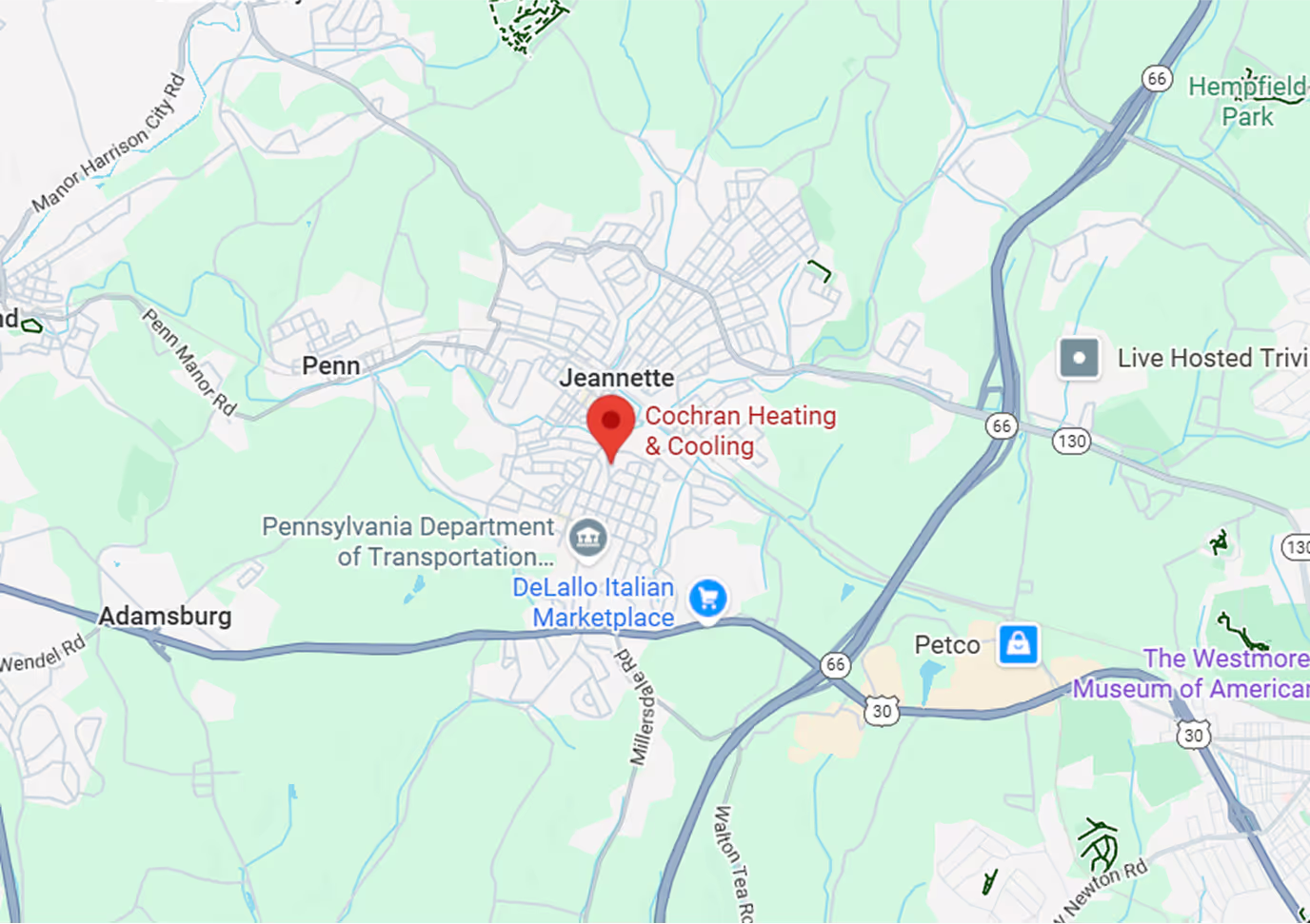
Heating Replacement in North Huntington, PA
For homeowners in North Huntington, PA, replacing a heating system is one of the most impactful home upgrades you can make for comfort, safety, and lower energy bills. With long, cold winters and many older homes in the region, worn furnaces, boilers, and aging heat pumps often struggle to deliver even heat and efficient operation. Cochran Heating & Cooling can help determine when replacement is recommended versus repair, evaluate system age and efficiency, guide you in selecting energy-efficient furnaces, boilers, or heat pumps, ensure proper sizing, manage removal and disposal, provide expected timelines, explore financing and rebate options, explain warranty coverage, and highlight the likely energy and comfort improvements for your North Huntington home.
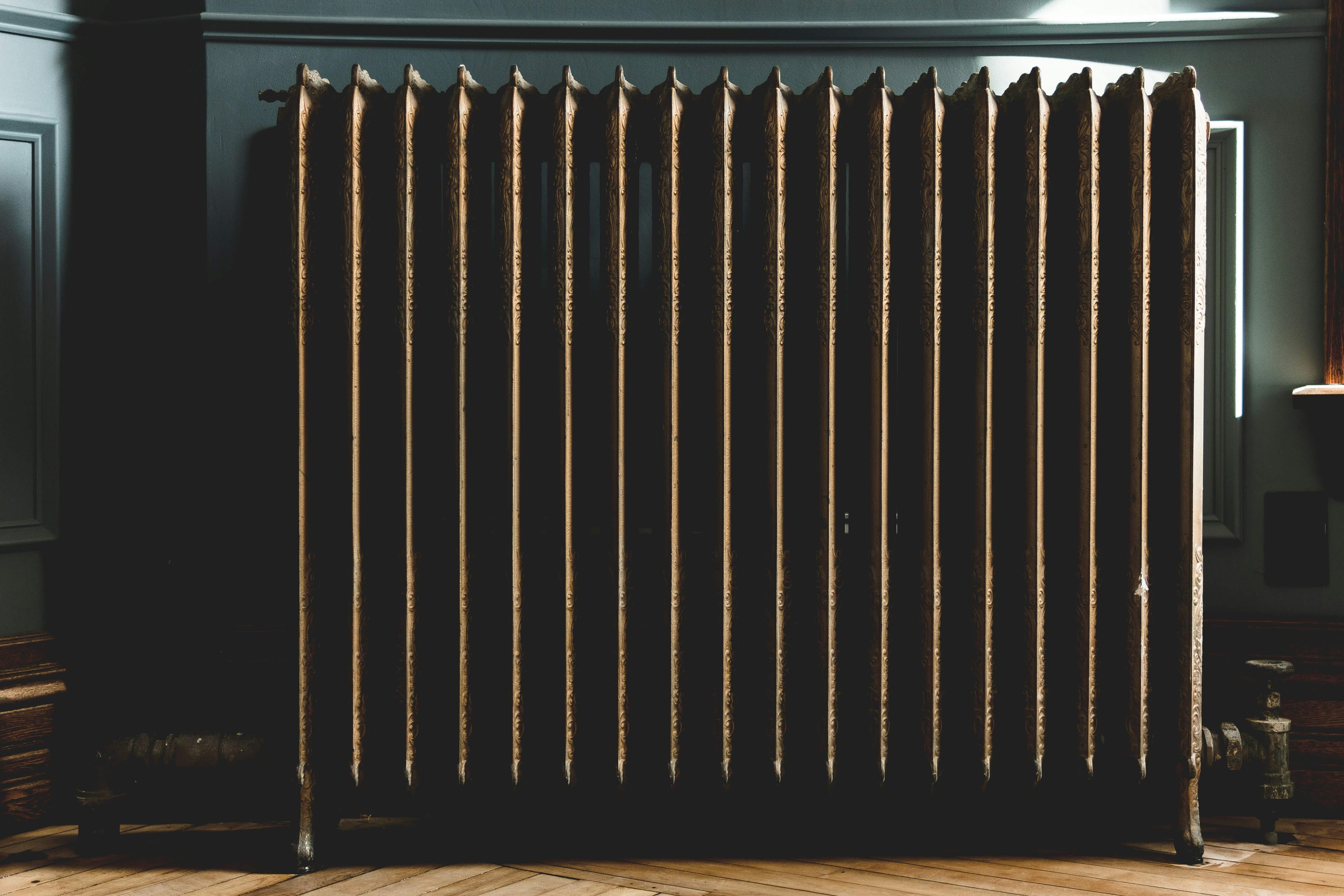
Heating Replacement in North Huntington, PA
Replacing a heating system is one of the most impactful home upgrades for comfort, safety, and energy bills in North Huntington, PA. With long, cold winters and many older homes in the region, worn furnaces, boilers, and aging heat pumps often struggle to deliver even heat and efficient operation. This page explains when replacement is recommended versus repair, how technicians evaluate system age and efficiency, guidance on selecting energy efficient furnaces, boilers or heat pumps, proper sizing, removal and disposal, expected timelines, financing and rebate options, warranty coverage, and the likely energy and comfort improvements for North Huntington homeowners.
When replacement is recommended vs repair
Common signs that replacement is the better choice than another repair:
- System age of 15 to 20 years or more. Older furnaces and boilers lose efficiency and parts become scarce.
- Repeated breakdowns or rising frequency of service calls over several seasons.
- Significant efficiency loss and consistently higher heating bills even after tune ups.
- Uneven heating, cold spots, or inability to maintain set temperature.
- Safety concerns such as a cracked heat exchanger, persistent carbon monoxide alarms, or fuel venting problems.
- Major components failing (heat exchanger, compressor, or sealed combustion parts) where repair cost approaches replacement value.
In North Huntington homes, many systems were installed decades ago and may be approaching end of life. Cold snaps and heavy heating degree days make reliability and efficiency especially important. Technicians evaluate each situation and recommend replacement when long term reliability, safety, and cost of operation justify it.
How technicians evaluate system age and efficiency
Technicians inspect and document:
- Equipment age and maintenance history.
- Measured performance: flue temperatures, combustion analysis for gas or oil, and seasonal efficiency indicators.
- Visible wear, corrosion, leaks, and condition of controls and safety devices.
- Duct system and distribution issues that affect overall comfort.
- Fuel type availability and fuel price trends in the area (natural gas, propane, heating oil, or electric).
This evaluation determines whether repair will restore acceptable performance or replacement will provide better value and long term savings.
Choosing energy efficient furnaces, boilers or heat pumps
Options for North Huntington homes include:
- High-efficiency gas furnaces: Look for AFUE ratings 95 percent or higher. Modulating burners and variable-speed ECM blowers improve comfort and reduce cycling.
- Condensing boilers: For hydronic systems, modern condensing boilers can dramatically improve efficiency compared with older cast iron or non-condensing boilers.
- Cold-climate heat pumps: New air source heat pumps designed for colder climates perform well in Pennsylvania winters and can provide large energy savings, especially when paired with supplemental heat or a hybrid system with a gas furnace.
- Ground source heat pumps: More complex and higher upfront cost, but offer excellent efficiency where installation is feasible.
Energy efficiency features to consider:
- High AFUE for fuel-fired equipment.
- Modulating or variable capacity operation for steadier temperatures and lower cycling losses.
- Variable-speed blower motors and advanced controls.
- Compatible thermostats and zoning capability for multi-zone comfort.
Sizing and load calculations
Correct sizing is essential. Oversized equipment cycles too frequently and wastes energy; undersized units cannot meet demand. Professional sizing includes:
- Manual J load calculation for heating requirements based on insulation, windows, orientation, and local climate.
- Manual D for duct design and balancing, ensuring airflow meets manufacturer requirements.
- Manual S for equipment selection and matching to load.
In North Huntington, older walls and windows and uninsulated basements can increase load. A proper load calc prevents oversizing that is common when replacing older equipment.
Removal, disposal and code considerations
Replacement includes safe removal and disposal:
- Recover refrigerant safely for heat pump replacements in compliance with EPA regulations.
- Disconnect and properly cap fuel lines, vents, and combustion air in fuel-fired systems.
- Inspect and update venting and combustion air if moving to sealed combustion or condensing equipment.
- Properly dispose of oil tanks, asbestos-containing materials, or other hazardous components if encountered, following local disposal rules.
Technicians should follow local codes and ordinances in Westmoreland County and document permits and inspections when required.
Typical project timeline
Most residential heating replacements follow a predictable timeline:
- On-site evaluation and equipment selection: 1 to 3 days to schedule and complete.
- Final equipment ordering and permitting (if needed): 3 to 14 days depending on model availability and permit lead time.
- Installation day(s): Simple furnace or heat pump changeouts can be completed in 1 day. Full boiler replacements, duct changes, or ground loop installations take longer, often 2 to 5 days.
- Commissioning and homeowner walkthrough: Final day for system startup, testing, and basic operation training.
Weather and parts availability can affect scheduling during peak heating-season months in Pennsylvania.
Financing, rebates and incentives
Replacement costs can be offset by several options:
- Utility rebates and local incentive programs for high-efficiency equipment and heat pumps.
- State and federal tax credits or rebates for qualifying energy efficient installations.
- Manufacturer warranties and extended coverage options.
- Financing plans through lenders or energy upgrade programs.
Because incentives change, homeowners in North Huntington should verify current state, federal, and utility programs that apply to furnace, boiler, or heat pump replacements.
Warranty coverage and expected savings
Typical warranty elements:
- Manufacturer limited warranty on heat exchanger or compressor, often 5 to 10 years or longer for some models.
- Parts warranties ranging 5 to 10 years for major components.
- Optional labor warranties or extended protection offered by installers.
Energy savings and comfort improvements:
- Replacing a 60 percent AFUE furnace with a 95 percent AFUE furnace can reduce fuel consumption roughly 20 to 35 percent, depending on system operation and home envelope.
- Switching to a modern cold-climate heat pump can yield 20 to 50 percent or more in heating energy savings compared with older electric resistance or inefficient fossil fuel systems, depending on fuel costs and system design.
- Home comfort improves through more consistent temperature, reduced drafts, better humidity control with the right system, and quieter operation.
Actual savings depend on current system efficiency, fuel prices, home insulation, and thermostat settings.
Maintenance and long term value
To protect investment and warranty:
- Schedule annual preventive maintenance and filter changes.
- Keep combustion vents and outdoor units clear of debris in winter months.
- Seal and insulate ducts, add programmable or smart thermostat controls, and improve insulation to maximize efficiency gains.
A properly selected and installed system combined with regular maintenance will provide reliable heat, lower operating costs, and improved indoor comfort for years.
FAQs
Q: How do I know if a replacement will save money over repairing my current heater?
A: Compare the age of the equipment, recent repair costs, measured efficiency, and frequency of service calls. If repairs are frequent, the system is older than 15 years, or efficiency is low, replacement usually delivers better long term savings and reliability.
Q: Are heat pumps a good option for North Huntington winters?
A: Modern cold-climate air source heat pumps perform effectively in Pennsylvania winters and can offer substantial energy savings, especially when paired with proper insulation or a hybrid system that uses a furnace as backup.
Q: What does a proper sizing calculation include?
A: A professional sizing includes a Manual J load calc for heating demand, Manual D for ductwork, and Manual S for equipment selection to ensure the unit matches the home’s actual needs.
Q: What should I expect for disposal of my old equipment?
A: Expect safe removal, refrigerant recovery if applicable, proper capping of fuel lines, and responsible disposal following county regulations. Hazardous materials found during replacement are handled per local rules.
Q: How much time does a full system replacement take?
A: Simple changeouts can be completed in one day, while full boiler replacements, ductwork changes, or ground-loop heat pump installations can take several days to a week depending on complexity and permits.