How Pet Dander in Fall Impacts Your newly Installed AC Air Purifier

The Fall Shedding Season: A Hidden Challenge for Your New Air Purifier
Before the first major frost hits the region, a quiet but significant shift happens right inside your living room. At our business, serving the local area, our team has seen firsthand how this transition catches families off guard. If you are wondering exactly how pet dander in fall impacts your newly installed AC air purifier, you are certainly not alone. As the days grow shorter and the temperatures drop, your dogs and cats naturally spend much more time indoors. While you might just notice extra fur on the couch, your heating and cooling system experiences a sudden, massive influx of airborne particulate.
In our years of field experience, we've noticed this seasonal transition creates a specific, concrete problem for homeowners. Indoor pets shedding their lighter summer coats rapidly load up the specialized cells inside newly installed whole-home air purifiers. Because these advanced systems are incredibly efficient, they capture this sudden spike in dander almost immediately. However, this high performance forces a critical decision point: you must decide when to proactively check and schedule maintenance for your air purifier cells during the fall shedding season, rather than simply waiting for the standard annual service interval.
Many homeowners assume a brand-new system can be ignored for a full twelve months. Unfortunately, our technicians frequently see that waiting for that standard annual interval during the late-fall heating transition often leads to restricted airflow, reduced efficiency, and unnecessary wear on your furnace blower. Understanding how this seasonal shift challenges your indoor air quality equipment is the first step to protecting your investment.
Why the Temperature Drop Accelerates Indoor Dander Loads
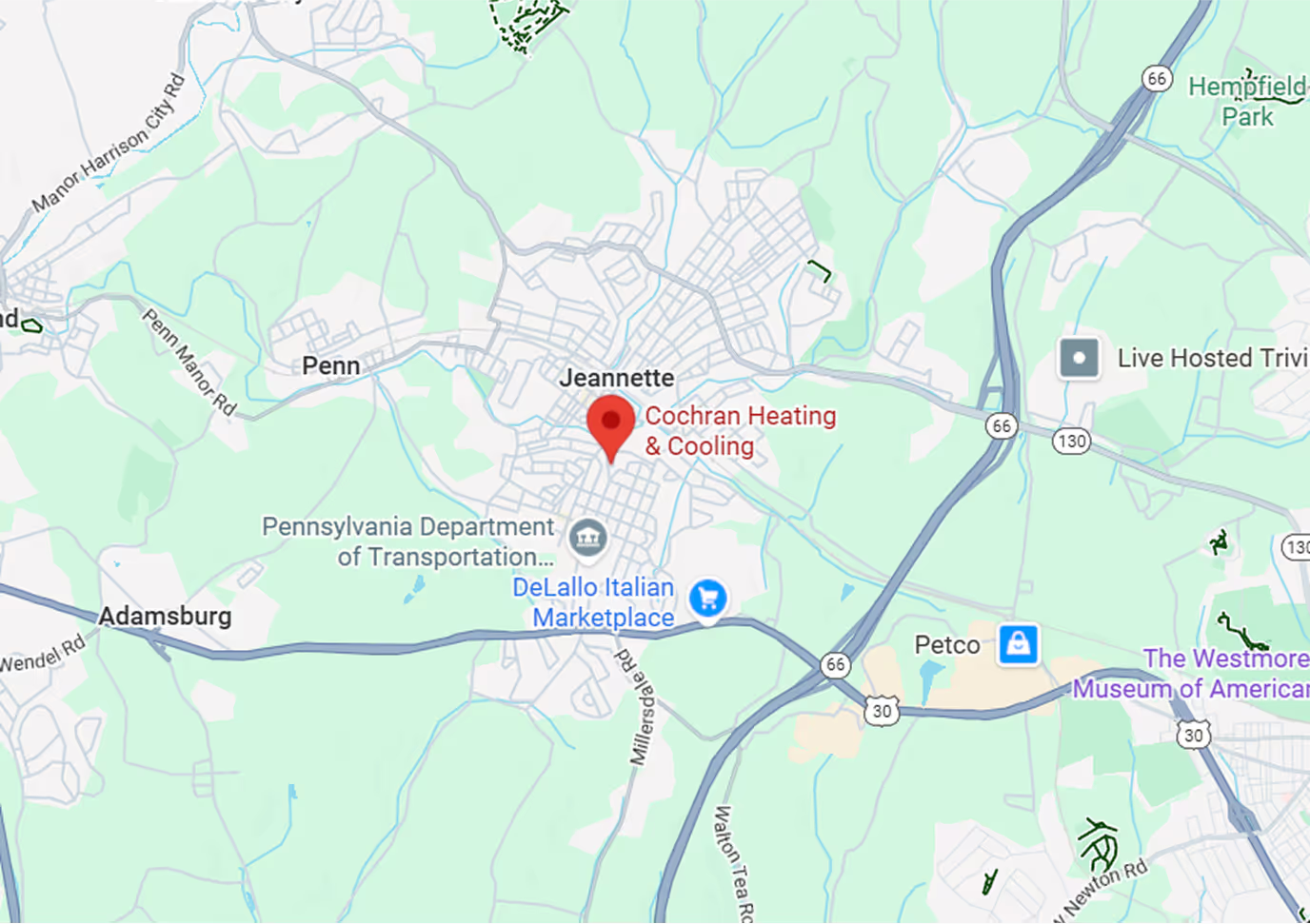
In our experience installing IAQ systems around Westmoreland County, our team often sees a distinct pattern in Jeannette and Greensburg area homes during November. Homeowners with multiple pets frequently call us, concerned that their new air quality system is already struggling. The root cause rarely has anything to do with the equipment itself. Instead, it traces directly back to the biological responses of the pets living inside the house.
Western Pennsylvania experiences a distinct and often rapid shift to cold weather in late fall. This sudden temperature drop forces pets indoors abruptly. Rather than shedding their summer coats gradually in the backyard over several months, they drop a massive volume of fur and microscopic dander directly inside the sealed envelope of your home. This concentrates the entire seasonal shedding event into your living space, where your HVAC system is forced to process it.
The underlying trigger: Pets naturally shed their lighter summer coats in the fall to prepare for the growth of a heavy, insulating winter fur. This biological process is triggered primarily by changes in daylight hours and outside temperatures. When the local climate shifts hard toward winter, your pets' bodies react accordingly, releasing millions of microscopic dander particles into your indoor air.
The Biology of the Fall Coat Blow
According to data from the American Kennel Club (AKC), seasonal shedding patterns are deeply ingrained in most dog and cat breeds. This intense period of fur loss is often referred to as a "coat blow." During a coat blow, a pet can lose up to ninety percent of its lighter undercoat in just a few weeks.
However, modern indoor living complicates this natural timeline. Indoor artificial lighting and central heating can confuse a pet's natural biological clock. Because the temperature inside your home remains relatively stable, and the lights stay on long after the sun goes down, your pet's body receives mixed signals. This confusion often prolongs the shedding process, turning a brief two-week coat blow into a heavy, continuous shed that lasts well into the winter months. All of this prolonged shedding ends up airborne, eventually finding its way into your return air ducts.
How Electronic Air Cleaners Trap Pet Particulates
Our team frequently explains to customers that to understand why fall shedding is such a hurdle, you have to look at how modern indoor air quality systems actually operate. Standard one-inch fiberglass filters are designed to do one thing: protect the furnace motor from large debris like dog hair and heavy dust bunnies. They do very little to improve the air you actually breathe. Advanced whole-home systems, on the other hand, are engineered to capture microscopic threats.
Whole-home air purifiers process the entire volume of a home's air multiple times per hour. High-performance units, such as newly installed Aprilaire and REME HALO systems, actively pull airborne contaminants out of circulation. Because they process so much air so quickly, any sudden indoor particulate spike—like a sudden influx of pet hair and dander—is trapped rapidly within the system's core components.
The efficiency paradox: This high capture rate is exactly why our technicians recommend close monitoring during the fall. The equipment is doing its job exceptionally well. It is pulling the dander out of your breathing air and locking it away. But because it works so much better than your old basic filter, it fills up significantly faster during high-load periods.
The Mechanics of High-Efficiency Filtration
Advanced electronic cells and deep-pleated media filters use a combination of physical barriers and electrostatic charges to capture microscopic dander. Pet dander is incredibly small—often measuring between 2.5 and 10 microns in diameter. For context, a human hair is roughly 70 microns thick. Basic filters let these tiny particles pass right through.
Electronic air cleaners apply a high-voltage charge to the incoming dander particles, forcing them to stick to oppositely charged collector plates like a magnet. Deep-pleated media filters use dense, folded synthetic fibers to physically trap the dander. Based on EPA Indoor Air Quality guidelines, processing the home's air volume 4 to 6 times per hour ensures these microscopic irritants are removed efficiently. But processing that much air means the system is constantly sweeping up after your pets.
• Basic 1-Inch Fiberglass Filter — Dander Capture Rate: Very Low (Misses microscopic dander) — Airflow Processing: Standard — Fall Maintenance Expectation (With Pets): Replace every 30 days
• Deep-Pleated Media Cabinet — Dander Capture Rate: High (Captures most dander) — Airflow Processing: High Volume — Fall Maintenance Expectation (With Pets): Check at 3 months; replace at 6 months
• Electronic Air Cleaner — Dander Capture Rate: Exceptional (Captures virus-sized particles) — Airflow Processing: Maximum Volume — Fall Maintenance Expectation (With Pets): Professional cleaning often needed mid-season
The Heating Season Circulation Effect
The fall shedding season does not happen in a vacuum. It coincides directly with another major mechanical shift in your home: the transition to heating season. This combination creates a "double-whammy" effect that rapidly accelerates how fast your air purifier loads up with debris.
During the late-fall heating transition, outside temperatures drop enough that your furnace begins running regular cycles. As the furnace kicks on to maintain your indoor temperature, the main blower motor runs much more frequently than it did during the mild weeks of early autumn. Increased runtime means increased air circulation.
The circulation cycle: Every time the blower turns on, it creates negative pressure in your return ducts. This suction pulls air from every room in the house back toward the furnace. As it pulls that air, it also pulls up all the newly shed pet dander resting on your floors, carpets, and furniture. Maximum dander production meets maximum HVAC circulation, driving an enormous volume of particulate straight into your newly installed air purifier.
This rapid accumulation often catches new IAQ system owners entirely off guard. You might assume that because the system is new, it can handle anything. While the system is robust, the physical capacity of the collector cells or media filters is finite. When maximum circulation pushes heavy shedding into the system day after day, that capacity is reached much sooner than the manufacturer's generic timeline suggests.

Rethinking the Annual Maintenance Schedule for New Systems
When you invest in premium home upgrades, it is natural to expect a hands-off experience. Based on our team's hands-on experience, we always warn customers that while a yearly checkup is the baseline standard for a furnace or air conditioner, high-performance indoor air quality systems play by different rules—especially in homes with multiple animals.
The first fall with pets acts as a severe stress test for newly installed whole-home purifiers like Aprilaire and REME HALO systems. The manufacturer's manual might state that the media needs replacing once a year, or the cells need cleaning annually. However, those timelines are based on average, controlled laboratory conditions. They do not account for a Golden Retriever blowing its coat in a heated living room during November.
The danger of waiting: Heavy particulate loading does more than just stop the purifier from cleaning the air. As the media or electronic cells become caked with dander, they restrict the physical flow of air through the ductwork. Your furnace blower motor has to work significantly harder to pull air through the clogged purifier. This puts severe mechanical strain on the broader HVAC system, leading to higher energy bills, overheated furnace components, and premature motor wear.
Proactive professional maintenance is often required sooner than expected to protect your investment. Several specific factors will dictate just how early you need to schedule that first checkup:
• Number of pets: Multiple pets multiply the dander load exponentially, cutting the effective lifespan of a clean cell in half.
• Breed and coat type: Double-coated breeds produce significantly more airborne particulate during a fall coat blow than single-coated breeds.
• Blower run time: If you leave your thermostat fan setting on "ON" rather than "AUTO," the system circulates and traps dander 24/7, loading the purifier much faster.
• Home square footage: Smaller homes with large pets concentrate the dander in a tighter volume of air, leading to faster accumulation in the return ducts.
Early Warning Signs of a Loaded Purifier Cell
You do not have to guess when your system is struggling. Our technicians regularly show homeowners how their HVAC equipment will typically give several clear indicators that the air purifier is loaded with pet dander and restricting airflow. Learning to identify these signs early prevents undue wear on your heating system and keeps your indoor air fresh.
Because these systems integrate directly with your high-voltage HVAC equipment, our team strictly advises against attempting DIY maintenance on electronic cells. Handling the energized components of an advanced purifier requires professional training. However, as a homeowner in Jeannette and Greensburg area homes, you can easily monitor the system for these specific warning signs:
1. Auditory changes at the return vents: A loaded purifier restricts airflow, causing the system to pull harder from the return grilles. If you hear a high-pitched whistling or a louder-than-normal rushing sound at the large vents in your hallway or living room, the system is struggling to breathe.
2. Increased blower noise: If the furnace sounds like it is straining, ramping up louder than usual, or running in longer cycles just to satisfy the thermostat, restricted airflow at the purifier is a likely culprit.
3. A sudden increase in visible dust: If you notice a rapid buildup of dust and pet hair settling on your tables and shelves despite the new purifier running, the cells are likely full. Once they reach capacity, they can no longer trap new particulates, leaving the dander to settle in the living space.
4. Inconsistent room temperatures: Reduced airflow means the heated air cannot push far enough into the ductwork to reach distant rooms. If your bedrooms suddenly feel much colder than the living room, a clogged purifier may be choking off the supply air.
Understanding what happens to your AC air purification system when the fan stops or struggles is vital. When the airflow drops, the entire comfort balance of your home is thrown off, and the risk of a mid-winter breakdown increases significantly.
Monitoring Airflow and Comfort
The simplest way to monitor your system's health during the fall shedding season is to pay close attention to the strength of the air coming from your supply registers. Hold your hand over a vent in a room furthest from the furnace when the system is running. If the airflow feels remarkably weaker than it did when the system was first installed, it is time to call a professional. Catching these signs early prevents the furnace blower motor from overheating and failing right when you need it most.
Expert Answers on Pet Dander and Air Purifiers
Why is my whole-home air purifier getting dirty so fast in the fall?
Our team typically sees that your whole-home air purifier gets dirty faster in the fall because pets shed their summer coats precisely when cold weather forces them indoors. This biological coat blow releases a massive amount of dander into the home. Because systems like Aprilaire and REME HALO process your home's entire air volume multiple times per hour, they capture this sudden spike in particulate extremely quickly, leading to rapid loading.
How often should I schedule maintenance for an air purifier with pets?
Based on our experience, homes with multiple indoor pets usually require air purifier maintenance every three to six months, rather than the standard twelve-month interval. The exact timing depends heavily on the breed of your pets and how often your HVAC blower runs. Proactively checking the system midway through the fall shedding season is the best way to prevent restricted airflow.
Do air purifiers help with dog shedding during the transition to winter?
Yes, whole-home air purifiers are highly effective at capturing the microscopic dander and airborne fur associated with winter shedding. While they will not stop fur from landing on your carpet, they aggressively filter out the lightweight particulates that circulate in the air you breathe. This high capture rate is exactly why the system needs professional monitoring during peak shedding months.
Can a clogged air purifier cell damage my heating system?
A clogged air purifier cell can absolutely damage your heating system by severely restricting the necessary airflow. When the furnace blower has to pull air through a wall of trapped pet dander, the motor strains, overheats, and draws excess electricity. Over time, this mechanical stress can lead to premature blower failure and cracked heat exchangers.
Why do newly installed air purifiers seem to load up faster than old filters?
Newly installed air purifiers load up faster because they are vastly more efficient at trapping microscopic particles than basic one-inch filters. Advanced electronic cells and deep-pleated media capture tiny pet dander that standard filters simply let pass through. This rapid loading means the system is working perfectly, but it also means you cannot rely on old, relaxed maintenance habits.
Protecting Your Indoor Air Quality As Winter Approaches
Understanding exactly why your new system needs attention sooner than expected is the key to protecting your HVAC investment. The late-fall heating transition, combined with heavy indoor pet shedding, creates a challenging environment for even the most advanced whole-home purifiers. By recognizing the mechanical reality of this seasonal shift, you can avoid the trap of waiting for a strict twelve-month service date.
Knowing the professional signs of a loaded cell—from whistling return vents to a sudden increase in household dust—satisfies the need for a healthy, comfortable, and efficient home. You do not have to wait for your system to strain itself into a breakdown. If you notice signs of restricted airflow, or if your pets are heavily shedding this season, taking action early ensures your equipment continues to perform flawlessly.
If you are concerned about how pet dander in fall impacts your newly installed AC air purifier, reach out to our team at our business. Scheduling a proactive checkup ensures your system is clean, your airflow is strong, and your home remains comfortable all winter long.