Professional Furnace Replacement & Installation
Replacing or installing a furnace is one of the biggest steps you can take to keep your home or business comfortable and energy-efficient. This guide walks.
# **Furnace Replacement and Installation — Costs, Efficiency, and Trusted Expert Service**
Replacing or installing a furnace is one of the biggest steps you can take to keep your home or business comfortable and energy-efficient. This guide walks you through what to expect — from typical costs and financing to the signs it’s time for a new unit and the benefits of high-efficiency systems. Many properties still run on older equipment that wastes energy and drives up bills. Learning the [furnace replacement process](/furnace) will help you pick the right system, avoid surprises, and save over time. Below we cover pricing and financing, warning signs your furnace needs replacing, efficiency benefits, the installation steps, brand choices, and ongoing maintenance tips.
Before you call for quotes, gather a few basic details to streamline the process: your home's square footage, the age and model of your current furnace, typical winter thermostat settings, and information about your ductwork. These facts help technicians perform an initial assessment over the phone and prepare a more accurate on-site evaluation. Also consider your priorities — lowest monthly cost, highest efficiency, quiet operation, or strongest warranty — so quotes can be compared on the same basis.
## **How Much Does Furnace Installation Cost and What Financing Options Are Available?**
Installation costs depend on several factors: the furnace type, how complex the install is, and local labor rates. Planning a budget ahead of time helps support the job goes smoothly and avoids last-minute expenses.
When budgeting, separate the estimate into clear components: equipment, labor, permits and inspections, disposal of the old unit, and any required material upgrades (such as new venting, flue piping, or condensate drains). Warranties and included seasonal tune-ups also affect the overall value. Request line-item estimates so you can see where money is spent and compare bids more effectively.
### **What Factors Influence the Total Cost of Furnace Installation?**
These are the main elements that affect your final price:
- **Type of Furnace**: Gas, electric, and oil furnaces have different price ranges. High-efficiency models cost more up front but usually lower your energy bills. For example, high-efficiency gas furnaces commonly carry AFUE ratings of 90% or higher, meaning most of the fuel is converted to heat.
Knowing AFUE ratings helps you compare models and estimate long-term savings so you can make a smart choice for performance and cost.
- **Installation Complexity**: If ductwork, venting, or gas lines need changes, labor time and costs rise. A straight swap is faster than a retrofit that requires modifications.
- **Local Labor Costs**: Rates vary by area, so get several local quotes to compare pricing and services.
Another important cost driver is proper sizing. An undersized furnace will struggle to maintain temperature and cycle frequently; an oversized unit will short-cycle and wear out components prematurely. Technicians use heat-load calculations informed by your home's insulation, window area, and climate to recommend the correct capacity. Insist on a documented load calculation rather than a rough estimate based only on square footage.
### **How Can Financing Help Manage Furnace Replacement Expenses?**
- **Types of Financing Available**: You may use personal loans, credit cards, or specialty HVAC financing with low interest or deferred payments.
- **Benefits of Financing**: Financing lets you install an efficient system now and reap lower energy bills and better comfort without a large one-time expense.
- **How to Apply for Financing**: Ask about financing when you request quotes — many companies assist with the application and explain terms clearly.
Cochran Heating and Air Conditioning offers [comprehensive HVAC solutions](/services#/products) and financing options to make upgrades affordable while protecting your home’s comfort.
When considering financing, also ask about available incentives and utility rebates in Westmoreland County. Many jurisdictions and energy providers run programs that offset part of the equipment cost for qualifying high-efficiency replacements. While rebate availability changes, a qualified installer will often help identify and apply for any current incentives, which can materially reduce your net expense.
## **What Are the Signs You Need Professional Furnace Replacement?**
Spotting early warning signs can save money and keep your family safe. If you notice any of the issues below, have a professional evaluate the system.
### **How to Detect Inefficiencies and Frequent Repairs in Your Heating System**
Watch for these common indicators that your furnace is losing efficiency:
- **Increased Energy Bills**: A sudden or steady rise in heating costs often means the furnace is working harder due to wear or reduced efficiency.
- **Uneven Heating**: Rooms that stay too hot or too cold can point to an aging furnace or ductwork problems that affect heat distribution.
- **Frequent Repairs**: When repair calls add up, replacement often becomes the smarter long-term investment.
Other visible signs include rust or corrosion on the cabinet, a pilot light or burner flame that consistently appears yellow instead of blue, or persistent soot or dust buildup near the equipment. Safety sensors such as carbon monoxide detectors should always be active — repeated trips or abnormal readings warrant immediate professional inspection and may indicate combustion problems that require replacement or major repair.
### **When Is Emergency Furnace Replacement Necessary?**
Some issues require immediate attention. Seek professional help right away if you notice:
- **Strange Noises**: Loud banging, grinding, or rattling can signal serious mechanical trouble.
- **Foul Odors**: A burning smell or the scent of gas is dangerous — turn off the system and call a technician immediately.
- **Age of the Furnace**: Furnaces over 15–20 years old are more likely to fail and run inefficiently; replacement can be the safest, most cost-effective option.
In an emergency, take basic safety steps first: shut off the furnace power at the breaker if it is safe to do so, open windows if you suspect gas, evacuate anyone feeling unwell, and call your HVAC provider or emergency services. Avoid operating the furnace until a technician evaluates the problem; running compromised combustion equipment can risk safety and property.
Cochran Heating and Air Conditioning is available for [urgent furnace replacement](/contact) and emergency repairs to keep your home safe and warm.
## **Why Choose Energy Efficient Heating Systems for Your Home or Business?**
Upgrading to a high-efficiency system pays off in comfort, lower utility bills, and a smaller environmental footprint.
### **What Are the Advantages of Upgrading to High-Efficiency Furnaces?**
High-efficiency furnaces deliver clear benefits:
- **Cost Savings**: They use less fuel to heat the same space, which reduces monthly energy bills and can recoup the higher purchase price over time.
- **Environmental Impact**: Using less energy lowers your carbon footprint, which helps the planet and often meets local efficiency incentives.
- **Increased Comfort**: Newer models maintain steadier temperatures and better airflow, so your living space feels more consistent.
High-efficiency systems can also improve resale value and make homes more attractive to energy-conscious buyers. Because they often include more advanced components — such as variable-speed blowers and multi-stage burners — they can operate more quietly and adjust output to match demand, reducing temperature swings and excessive cycling.
### **How Do New Furnace Models Integrate Smart Thermostat Technology?**
Many modern furnaces work with smart thermostats to make heating easier and more efficient:
- **Remote Control**: Change settings from your phone so your home is comfortable when you arrive.
- **Energy Monitoring**: Smart thermostats track usage and suggest schedule tweaks to trim waste.
- **Learning Capabilities**: Adaptive thermostats learn your routine and adjust automatically for comfort and savings.
When pairing a smart thermostat, check compatibility with the furnace control board, whether the system supports two-stage or modulating operation, and whether the installer will conp schedules for your household. For multi-zone homes a compatible thermostat strategy can reduce waste by matching heating only to occupied areas.
Cochran Heating and Air Conditioning installs [energy-efficient heating systems](/boiler) and can match smart controls to your home for the best results.
## **What Is the Professional Furnace Installation Process?**
Knowing the steps helps you prepare and sets expectations for installation day.
Installation guidelines for high-efficiency gas furnaces outline key steps — from spotting risks to choosing the right unit — and are useful for homeowners and contractors alike.
### **How Do Certified HVAC Technicians help support Safe and Reliable Installation?**
- **Assessment**: We evaluate your home’s layout, insulation, and heating needs to recommend the correct furnace size and type.
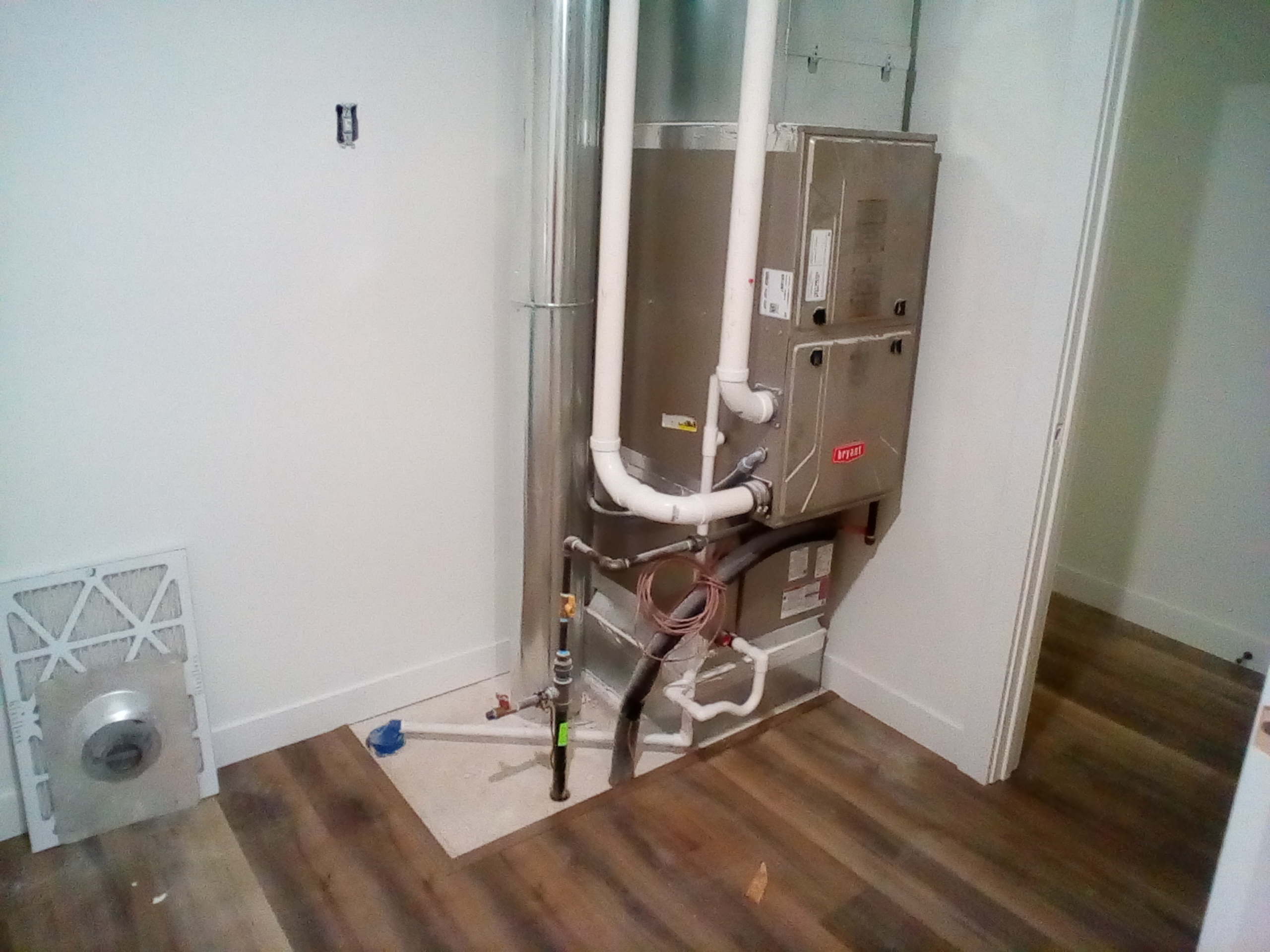
- **Installation**: Technicians remove the old unit, install the new furnace, and tie it into ductwork, venting, and electrical systems following local codes.
- **Testing**: After installation we test airflow, combustion safety, and overall operation so the system runs safely and efficiently.
Beyond the core steps above, professional installers also coordinate necessary permits and arrange for any required inspections. They verify combustion air provisions, correctly pitch and route condensate drains for high-efficiency units, and confirm flue termination meets local code. Good installers will also seal and insulate duct connections, label new equipment, and leave documentation that explains operating procedures and warranty terms.
### **What Are the Typical Timeframes and Steps Involved in Installation?**
Installation timing can vary, but it typically follows these stages:
- **Initial Consultation**: A technician visits to review options, assess your home, and provide a detailed estimate.
- **Installation Day**: The replacement usually takes several hours; more complex retrofits can take longer.
- **Final Inspection**: A post-install check helps support everything meets safety standards and performs as expected.
Preparation helps installations run smoothly. Clear the work area, provide easy access to the existing furnace and attic or crawlspace if ducts run there, and let installers know about pets or special access needs. The contractor should walk you through the work plan and expected timeline before starting, and most installs include a final briefing covering how to operate the new controls and when to schedule the first maintenance visit.
Cochran Heating and Air Conditioning handles each step to make sure your new furnace delivers reliable, efficient heat from day one.
## **How to Choose the Best Furnace Brands for Your Heating System Upgrade?**
Picking the right brand matters for long-term satisfaction, reliability, and serviceability.
### **Which Furnace Models Offer the Best Energy Efficiency Ratings?**
Look for these options when comparing models:
- **High-Efficiency Gas Furnaces**: Many models offer AFUE ratings from about 90% up to 98.5%, meaning most fuel becomes heat.
- **Electric Furnaces**: Electric units are typically 100% efficient at converting electricity to heat, though operating costs depend on local electricity rates.
- **Hybrid Systems**: Systems that combine gas and electric heating can adapt to changing energy prices and offer flexible efficiency strategies.
When reviewing brand options, consider the availability of local service technicians and parts. A well-supported brand matched with a reputable local installer reduces downtime and often yields better long-term value. Ask about common service intervals, expected component lifespans, and whether the manufacturer supports extended warranties through certified dealers.
### **What Customer Reviews and Warranties Should You Consider?**
When evaluating brands, pay attention to:
- **Customer Reviews**: Real-owner feedback reveals reliability, efficiency in practice, and service quality.
- **Warranties**: Strong warranties (often 10–20 years on major components) give you peace of mind and protect your investment.
- **Brand Reputation**: Choose manufacturers known for durability, parts availability, and good customer support.
Also ask potential installers about their track record installing the brand you select, since installation quality heavily affects long-term performance. A trustworthy contractor will be transparent about service response times and the cost of common repairs once warranties expire.
Cochran Heating and Air Conditioning will help you compare brands and select the model that fits your needs and budget.
## **What Maintenance Tips Should You Follow After Furnace Installation?**
Simple, regular upkeep keeps your new furnace efficient and extends its life.
### **How Does Regular Heating System Maintenance Prevent Costly Repairs?**
Routine care helps in several ways:
- **Identifying Issues Early**: Regular inspections catch small problems before they grow into major failures.
- **Improving Efficiency**: Changing filters, cleaning components, and seasonal tune-ups keep the system running at peak performance.
- **Extending Lifespan**: Consistent maintenance delays the need for replacement and protects your investment.
A typical maintenance routine includes replacing or cleaning filters as recommended, checking belts and motors for wear, verifying thermostat calibration, inspecting electrical connections, and testing safety controls. Keeping a maintenance log helps you track services, note recurring issues, and maintain warranty requirements.
### **When Should You Schedule Professional Furnace Repair Services?**
Call a professional if you notice any of the following:
- **Unusual Noises**: Banging, squealing, or rattling can indicate worn or loose components.
- **Inconsistent Heating**: Rooms that don’t reach set temperatures or a furnace that cycles on and off frequently need inspection.
- **Frequent Cycling**: Short cycling increases wear and energy use — address it promptly to avoid bigger problems.
For many homeowners, scheduling spring or fall tune-ups keeps the system ready for heavy seasonal operation. During a tune-up, a technician will clean burners, inspect heat exchangers for signs of stress, and verify that combustion and venting systems operate within safe parameters. Prompt attention to small issues often prevents costly emergency repairs later.
[Cochran Heating and Air Conditioning](/air-conditioning) provides seasonal maintenance and expert repairs to keep your furnace running smoothly year after year.
## **Conclusion**
Upgrading your furnace improves comfort, lowers energy bills, and reduces the risk of breakdowns. Knowing the installation process, spotting replacement signs, and choosing an efficient model will help you make a confident decision. Pair a quality furnace with regular maintenance and you’ll enjoy reliable heating and long-term savings. Contact our team to discuss the right heating solution for your home or business.
When you’re ready to move forward, prepare for your consultation by collecting your current furnace model number, recent energy bills, and a list of priorities for the new system. This information speeds the evaluation and helps your installer tailor recommendations to your budget and comfort goals. A careful evaluation up front makes for a smoother installation and better long-term performance.
testimonials