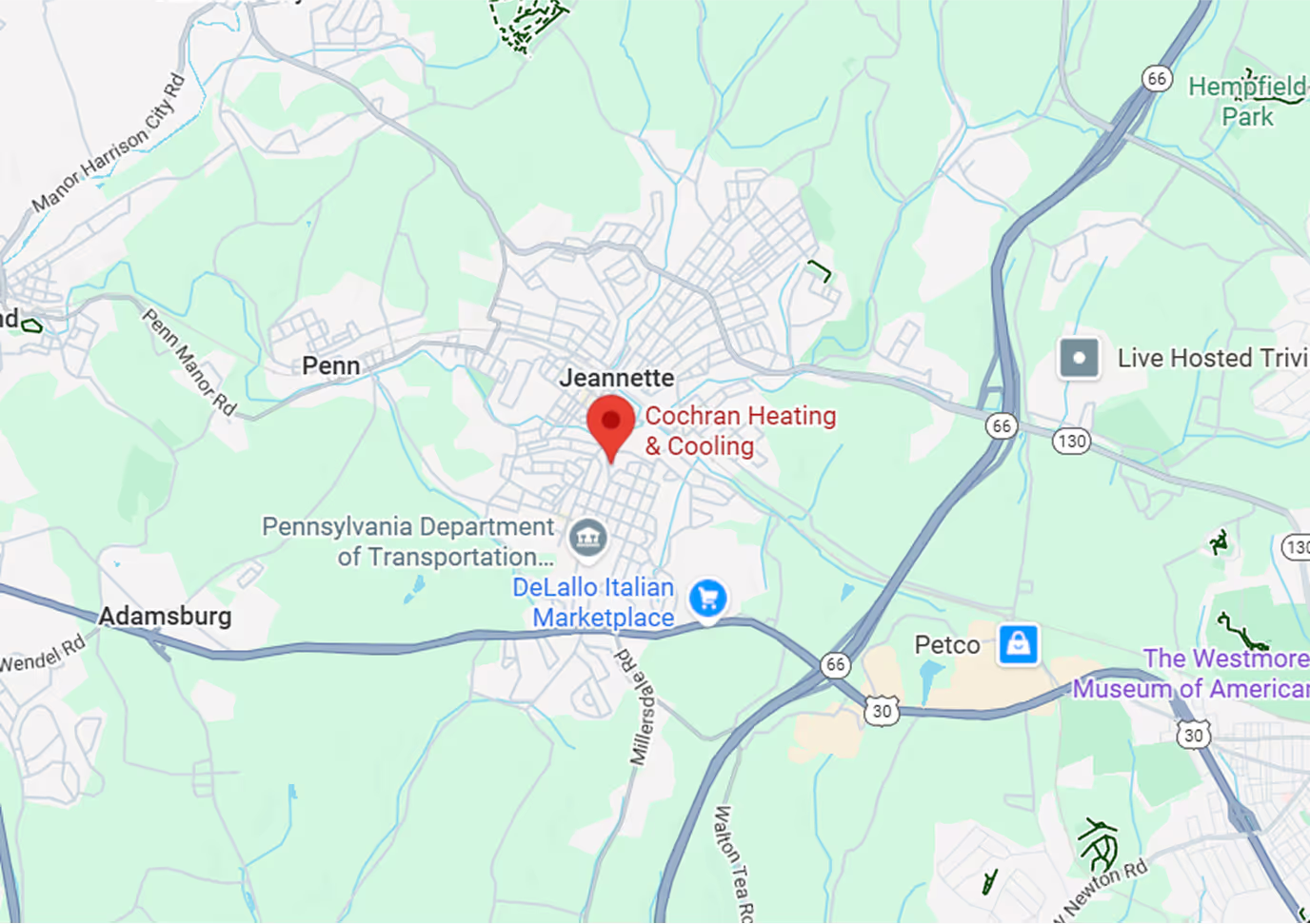
Oil to Gas Conversion: Weighing the Costs for Jeannette Homeowners

Facing the Oil vs. Gas Furnace Dilemma?
Is the stress of scheduling another winter fuel delivery making you question whether it is time to finally retire your aging heating system? When looking into an oil to gas conversion: weighing the costs for Jeannette homeowners often comes down to balancing immediate installation hurdles against decades of future comfort. Homeowners are frequently caught at a difficult decision point: replace a failing oil furnace with another familiar oil-burning unit, or commit to the upfront logistical disruption of a full natural gas conversion.
At Cochran Heating & Cooling, our team has spent years guiding homeowners through exactly this dilemma. In our experience providing residential HVAC services across the region, we know this is rarely a simple choice. The prospect of digging up your yard for a new gas line can feel overwhelming. However, as the mid-winter heating season approaches, the anxiety of monitoring a tank gauge and hoping the delivery truck arrives before a deep freeze sets in is equally exhausting. This guide provides a realistic, transparent framework for evaluating both the immediate installation realities and the long-term lifestyle benefits of making the switch.
The Upfront Reality: Gas Main Connections and Yard Trenching
The most significant barrier to converting from oil to natural gas is the physical process of bringing the fuel source to your home. Unlike oil, which is delivered by truck and stored on-site, natural gas requires a dedicated underground pipeline connecting your house directly to the municipal gas main.
Providing services across Jeannette and surrounding communities, we at Cochran Heating & Cooling see firsthand that understanding the trenching process helps homeowners properly prepare for the temporary disruption to their property. The process requires careful coordination between you, your local utility provider, and your professional HVAC installation team.
1. Utility Assessment and Permitting: Before any digging begins, the local gas utility must determine if a gas main is accessible from your street. If approved, permits are pulled, and public utility lines are marked to ensure safe excavation.
2. Excavation and Trenching: A trench must be dug from the street to the location of your new gas meter. Depending on your property layout, this may involve cutting through sidewalks, navigating around mature tree roots, or temporarily disturbing landscaping and garden beds.
3. Pipe Installation and Pressure Testing: The utility company or approved contractors lay the new gas line and install the exterior meter. The system undergoes rigorous pressure testing to verify absolute structural integrity before any gas is introduced.
4. Site Restoration and Interior Piping: Once the exterior line is buried and the trench is backfilled, the focus shifts indoors. Your HVAC contractor then runs new interior gas piping from the meter to your furnace and any other newly converted appliances.
While the landscaping disruption is undeniably inconvenient, it is important to remember that this is a one-time, permanent property upgrade. Once the grass grows back, the underground infrastructure provides a continuous fuel supply for the lifetime of the home.
Managing the Old System: Oil Tank Removal Logistics
A major component of any conversion project is safely decommissioning the outdated equipment. Because the Cochran Heating & Cooling team handles all makes and models of oil and gas furnaces, we know firsthand that managing the existing oil tank requires strict adherence to environmental and safety regulations.
The logistics of tank removal depend heavily on where your current tank is located. Basement storage tanks are the most common in our area. To remove these, trained technicians first safely pump out any remaining heating oil, which is then transported to an approved recycling or disposal facility. The empty steel tank is thoroughly cleaned, cut into manageable pieces if necessary to fit through narrow stairwells or doorways, and hauled away for scrap metal recycling. Reclaiming this basement square footage is often an immediate, tangible benefit for homeowners.
Underground storage tanks (USTs) present a more complex challenge. Buried tanks carry a higher liability due to the risk of undetected soil contamination. Removing an underground tank involves excavation, soil testing, and professional environmental remediation if leaks are discovered. In some specific cases where excavation threatens the home's foundation, local regulations may permit licensed professionals to pump the tank clean, fill it with an inert material like sand or foam, and safely abandon it in place. Regardless of the method, proper documentation and a certificate of disposal are crucial to protect your property value and eliminate future environmental liabilities.
System Efficiency: Comparing AFUE Ratings for Oil vs. Gas
Beyond the fuel source itself, the mechanical equipment used to heat your home operates very differently. Annual Fuel Utilization Efficiency (AFUE) is the standard measurement of how effectively a furnace converts fuel into usable heat. For example, an 80% AFUE rating means that 80% of the fuel's energy successfully heats your home, while 20% escapes as exhaust.
When evaluating high-efficiency boiler solutions or modern forced-air furnaces, the efficiency ceilings for oil and gas systems diverge significantly.
• Maximum AFUE Rating — Modern Oil Furnaces: Typically caps around 85% to 87% — Modern Natural Gas Furnaces: Can achieve 90% up to 98% (Condensing)
• Combustion Byproducts — Modern Oil Furnaces: Produces soot and heavier carbon deposits — Modern Natural Gas Furnaces: Burns exceptionally clean with minimal residue
• Routine Maintenance — Modern Oil Furnaces: Requires annual nozzle replacement, filter changes, and intensive heat exchanger scrubbing — Modern Natural Gas Furnaces: Requires standard annual safety checks, sensor cleaning, and basic filter replacements
• Fuel Storage — Modern Oil Furnaces: Requires on-site tank (basement or buried) — Modern Natural Gas Furnaces: Direct underground municipal feed
Because natural gas systems can utilize condensing technology—extracting secondary heat from the exhaust gases before they are vented—they achieve ultra-high efficiency ratings that oil systems simply cannot match. Homeowners should also note that generic federal tax credits or utility incentives frequently apply to high-efficiency HVAC upgrades, though it is always best to verify current programs with your utility provider or tax professional to see what generic benefits your new system might qualify for.
How Fuel Types Impact System Longevity
The cleanliness of the combustion process directly impacts how long the equipment lasts and how much maintenance it requires. Oil burns hotter but leaves behind soot and corrosive residues. If an oil furnace misses its annual cleaning, this soot acts as an insulator on the heat exchanger, drastically reducing efficiency and accelerating metal fatigue.
Natural gas burns much cleaner. While gas furnaces still require professional annual tune-ups to ensure safe combustion and verify that safety sensors are operating correctly, our technicians note that the heat exchangers generally suffer less corrosive wear and tear. When properly maintained by an HVAC contractor servicing all makes and models of oil and gas furnaces, a high-quality gas system provides reliable, consistent performance with fewer emergency service calls for clogged nozzles or fouled igniters.
The Lifestyle Impact: Ending Winter Oil Delivery Anxiety
When comparing boilers and furnaces, or evaluating different fuel sources, the conversation often focuses heavily on technical specifications. However, the daily lifestyle impact is where homeowners feel the most profound difference. Relying on delivered heating oil introduces a layer of vulnerability to your winter routine.
Western Pennsylvania's freezing, unpredictable winters and deep cold snaps frequently cause sudden spikes in local heating oil demand. During a severe mid-winter heating season storm, roads become treacherous, and delivery trucks can fall behind schedule. If your tank runs low during a blizzard, you are left anxiously monitoring the gauge, lowering the thermostat to conserve fuel, and hoping the truck makes it up your driveway before the system shuts down.
Natural gas eliminates this anxiety entirely. Because the fuel is supplied via an underground pipeline, it is virtually weather-independent. There are no delivery schedules to manage, no minimum gallon requirements to meet, and no fluctuating delivery fees to calculate. The peace of mind that comes from knowing your home will remain warm, regardless of the road conditions outside, is often a deciding factor for the homeowners we assist in making the switch.
Venting and Chimney Requirements for a Gas Conversion
A frequently overlooked structural requirement during a conversion is how the new system will exhaust its combustion gases. A common question our technicians at Cochran Heating & Cooling hear from homeowners in Jeannette and surrounding communities is: "Do I need a new chimney liner for a gas furnace?" In most cases, the answer is yes, unless you are installing a high-efficiency model that bypasses the chimney entirely.
The exhaust from an older oil furnace is very hot, which helps it rise quickly up a traditional masonry chimney. Natural gas exhaust, however, is much cooler and contains a higher volume of water vapor. If this cooler gas is vented into a large, unlined masonry chimney, it struggles to draft properly. The water vapor condenses on the cold brick walls, mixing with leftover sulfur deposits from the old oil system to create a highly corrosive acid. This acid will rapidly deteriorate the chimney mortar from the inside out.
To prevent structural damage, installing a standard gas furnace usually requires a professional to drop a properly sized stainless steel chimney liner down the existing flue. Alternatively, if you opt for a high-efficiency condensing gas furnace (90%+ AFUE), the system utilizes PVC direct-venting. These systems are so efficient that the exhaust is cool enough to be vented directly out the side of your house through PVC pipes, completely eliminating the need for a traditional chimney.
Evaluating the True Break-Even Point of Your Upgrade
Deciding to convert is ultimately about weighing the short-term hurdles against the long-term gains. As a family-owned local business, the team at Cochran Heating & Cooling takes pride in offering honest HVAC pricing and providing clear, unbiased assessments of conversion viability without hidden surprises.
To evaluate your true break-even point, you must look beyond just the equipment swap and consider the total scope of the project:
• The Upfront Investments: You must account for the logistical costs of utility gas line trenching, interior gas piping, safe oil tank removal and disposal, potential chimney lining, and the installation of the new furnace itself.
• The Ongoing Financial Benefits: Natural gas historically offers a more stable ongoing operational cost. You gain the advantage of higher AFUE efficiency savings, meaning less fuel is wasted, and you eliminate the routine costs of intensive oil system maintenance and soot cleaning.
• The Intangible Returns: The most significant return on investment is often non-monetary. Reclaiming basement square footage, eliminating the environmental liability of an aging oil tank, and ending the anxiety of winter fuel deliveries provide immense daily value.
The true break-even point is a combination of long-term energy efficiency and the immediate upgrade to your quality of life. Consulting an HVAC contractor servicing all makes and models of oil and gas furnaces ensures you receive a balanced perspective tailored to your specific property, rather than a high-pressure sales pitch for one particular system.

Ready to Make the Right Heating Choice for Your Home?
Navigating an oil to gas conversion does not have to be a stressful or confusing process. By understanding the upfront realities of trenching and tank removal, you now have a realistic framework for evaluating whether the long-term benefits of a continuous, high-efficiency natural gas supply are right for your property.
For homeowners in Jeannette and surrounding communities, the next step is a professional, pressure-free evaluation of your current heating infrastructure. We can help you assess your specific trenching needs, venting requirements, and equipment options. If you are tired of scheduling fuel deliveries and want to explore professional furnace replacement and installation, reach out to our team at Cochran Heating & Cooling today to schedule a comprehensive home inspection and ensure your home stays reliably warm for decades to come.
Frequently Asked Questions
What is involved in an oil to gas conversion?
An oil to gas conversion involves several coordinated steps to switch a home's heating fuel source. First, a new gas line must be trenched from the municipal street main to your house, and an exterior meter is installed. Next, the old oil tank is safely drained, cleaned, and removed from the property by trained professionals. Finally, interior gas piping is run, and the new high-efficiency gas furnace is installed with appropriate venting modifications.
Is converting from oil to gas worth the upfront disruption?
For many homeowners we work with, the long-term benefits significantly outweigh the temporary disruption of yard trenching. Converting to natural gas provides a continuous, weather-independent fuel supply, eliminating the stress of monitoring oil tanks and scheduling winter deliveries. Additionally, modern gas furnaces generally achieve much higher efficiency ratings and require less intensive routine maintenance than older oil systems.
Do I need a new chimney liner for a gas furnace?
Yes, if you are venting a standard gas furnace into an existing masonry chimney, a new stainless steel liner is usually required. Natural gas exhaust is cooler and produces more condensation than oil exhaust, which can mix with old soot to create corrosive acids that damage brick and mortar. Alternatively, upgrading to a high-efficiency condensing gas furnace allows you to bypass the chimney entirely using PVC direct-venting through a side wall.
How long does it take to trench a new natural gas line?
The timeline for trenching a new gas line depends heavily on your local utility company's schedule and the complexity of your property. Once permits are approved and public utility lines are marked, the actual physical trenching and pipe installation usually takes one to three days. However, the entire coordination process from initial application to final meter activation can take several weeks, so we recommend starting the process well before the heating season begins.
Can I leave my old oil tank in the basement after converting?
It is highly recommended, and often required by local codes, to properly remove an indoor oil tank once it is permanently decommissioned. Leaving an unused tank in the basement takes up valuable square footage and presents a lingering odor or environmental hazard if residual sludge remains inside. A professional HVAC team will safely pump out any leftover fuel, dismantle the tank, and transport it to an approved recycling facility.